
Pruning
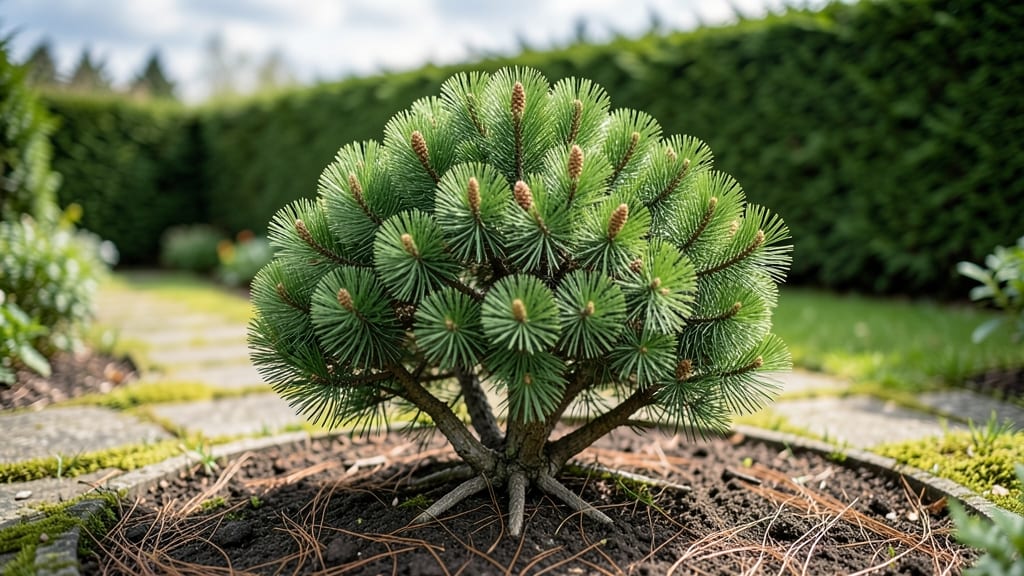
Real mini pine trees bring the forest to your yard without the space—Pinus mugo and its dwarf cousins thrive in containers or small gardens while surviving winter freezes. 🌲 I’ve grown these tough little trees for years, and they’ve never let me down, even through our harsh Zone 5 winters.
The key isn’t babying them; it’s matching their natural habits to your space.
These aren’t just slow growers—they’re patient plants. A healthy Pinus mugo might only grow 6 inches a year, but it lives for decades, developing that classic gnarled shape without needing constant pruning.
They love full sun but tolerate partial shade, and their roots stay shallow enough for containers as small as 12 inches wide. The real secret? Mimicking their alpine homeland with well-draining soil and minimal fuss.
You’ll end up with a tree that stays green year-round, resists deer (unlike many ornamentals), and develops that pine-scented freshness that makes your garden feel like a mountain retreat. The needles stay vibrant for years, and with proper care, you’ll never need to replace it—just enjoy watching it mature naturally.
Even in small spaces, these trees become the centerpiece that never goes out of style.
Perfect for rock gardens, container collections, or as a focal point in tight corners. The only mistake I see beginners make is overwatering—these trees hate soggy roots. Let’s get yours planted the right way from the start.
📚 In This Guide
- What you need
- Instructions
- Tips and common mistakes
- Wrapping up and next steps
What you need
- ● Mini Pine Tree Seedlings or Nursery Plants: Choose cold-hardy dwarf varieties like Mugo Pine (Pinus mugo), Dwarf Mountain Pine (Pinus pumilio), or Scott’s Pine (Pinus sylvestris ‘Scott’s Pine’) (3–5 ft mature height).
- ● Quantity: 1–3 plants (depending on desired arrangement).
- ● Well-Draining Soil: 1–2 bags of cactus/succulent mix or sandy loam soil (critical for preventing root rot!).
- ○ Optional: Perlite or pumice (1 part) to improve aeration.
- ● Container or Planting Site: For potted plants: 5–15 gallon container with drainage holes (terracotta or fabric pots preferred).
- ● For ground planting: Full sun exposure (6+ hours/day) and slightly acidic soil (pH 5.0–6.5).
- ● Pruning Tools: Bypass pruners (sharp, clean, and sterilized with rubbing alcohol).
- ● Hand pruners (for smaller branches).
- ● Gloves (to protect from sap and sharp needles).
- ● Mulch: 2–3 inches of pine bark or gravel to retain moisture and regulate temperature.
- ● Slow-Release Fertilizer: Balanced 10-10-10 (apply spring and fall).
- ● Spray Bottle (for misting young seedlings in dry climates).
- ● Support Stake (if planting in windy areas—3–4 ft bamboo stake works well).
- ● Decorative Accents: Miniature garden flags, pebbles, or fairy lights for whimsical styling!
Step-by-Step guide to planting cold-hardy dwarf pine trees
Here's how to select and plant four stunning dwarf pines that thrive year-round in your climate.
🌱 Step 1: Choose the Right Dwarf Pine Variety for Your Zone
Start by selecting a cold-hardy dwarf pine that matches your USDA hardiness zone. For zones 3-5, consider 'Glauca Globosa' (blue globe pine) or 'Pumilio' (Swiss mountain pine)—both handle winter temps down to -30°F. In zones 6-8, 'Mops' mugo pine or 'Little Gem' (a dwarf form of slash pine) offer excellent cold tolerance.
Check the mature height of each variety—most dwarf pines stay between 3-10 feet tall, perfect for small spaces. I always verify the specific cultivar's cold tolerance label, as some labeled "dwarf" varieties are actually slow-growing rather than cold-hardy. Planting the wrong type means winter dieback and disappointment.
☀️ Step 2: Select the Perfect Planting Location
Dwarf pines need full sun (at least 6 hours daily) to develop their signature color and compact shape. A south- or west-facing spot ensures they get the brightest light. I avoid planting near large trees, as their roots compete for water and shade the pines out.
Well-draining soil is critical—these trees hate soggy roots. If your garden has heavy clay, amend the planting area with 2-3 inches of coarse sand or perlite mixed into the native soil. Test drainage by digging a 12-inch hole, filling it with water, and watching how quickly it drains. If it takes longer than 30 minutes, improve drainage before planting.
🪴 Step 3: Plant at the Correct Depth and Spacing
Dig a hole twice as wide as the root ball but only as deep as the container's root base. This prevents burying the trunk too deeply, which can cause rot. Gently remove the pine from its container and loosen any circling roots with your fingers—this encourages outward growth.
Place the tree in the hole so the top of the root ball sits 1 inch above ground level. Backfill with native soil, tamping lightly to remove air pockets. For four dwarf pines, space them 4-6 feet apart to allow airflow and prevent disease. Water deeply right after planting to settle the soil and eliminate air gaps.
💧 Step 4: Water and Mulch for First-Year Establishment
Water your new dwarf pines deeply every 7-10 days during the first growing season, ensuring moisture reaches 6 inches down. You'll know it's enough when the soil feels damp but not soggy. Overwatering is the fastest way to kill these trees—always let the top 2 inches of soil dry out between waterings.
Apply a 2-3 inch layer of mulch (pine bark or shredded leaves) around the base, keeping it 3 inches away from the trunk. This conserves moisture, regulates soil temperature, and suppresses weeds. Replenish mulch annually in early spring to maintain its protective layer.
✂️ Step 5: Prune and Maintain for Long-Term Health
Dwarf pines rarely need pruning, but you can shape them lightly in early spring using sterilized pruning shears. Remove only dead or crossing branches—never cut more than 25% of the foliage in one season. I avoid pruning in fall or winter, as new growth won’t harden off before cold weather.
Fertilize lightly in early spring with a slow-release, balanced fertilizer (10-10-10). Over-fertilizing causes rapid, weak growth that struggles in winter. Monitor for pests like spider mites or aphids—spray with neem oil if you spot webbing or sticky residue on the needles.
Tips & tricks for perfect mini pine tree planting
These simple insights will help your cold-hardy dwarf pines thrive for years—no green thumb required.
Variety Verification: Always double-check the cold tolerance label on your dwarf pine's tag. Some varieties labeled "dwarf" might only reach 3 feet tall but lack the hardiness for your zone. I once planted 'Little Gem' in zone 4 thinking it was cold-hardy—it died back to the ground every winter. Stick to the four varieties mentioned in Step 1 that explicitly handle your zone's minimum temperatures.
Sunlight Strategy: The 6 hours of daily sun requirement in Step 2 is non-negotiable for color development. If your yard only gets morning sun, place your pines where they'll catch those crucial hours. I recommend using a sun calculator app to map your property's sunlight patterns—it's saved me from placing trees in "partial shade" spots that turn out to be too shady.
Drainage Test: When testing your soil's drainage in Step 2, pay attention to how the water disappears—not just whether it drains within 30 minutes. If water pools at the bottom of the hole or seeps very slowly, you'll need to add more sand or create a raised bed. I once planted in soil that drained in 25 minutes but still struggled—turns out the subsoil was impermeable, causing root rot.
Planting Depth Secret: The 1-inch above-ground rule in Step 3 prevents a common mistake called "trunk suffocation." If you bury the trunk too deeply, moisture can't reach the roots properly. I use a small stake to mark the original soil line on the container before planting—this gives me a visual reference to ensure proper depth every time.
Pro Tips for Mini Pine Tree Real
- These simple insights will help your cold-hardy dwarf pines thrive for years—no green thumb required.
- Variety Verification: Always double-check the cold tolerance label on your dwarf pine's tag.
- Sunlight Strategy: The 6 hours of daily sun requirement in Step 2 is non-negotiable for color development.
Frequently asked questions
Got questions about your mini pine tree real? You’re not alone! Here are some of the most common concerns—and answers—to help you keep your cold-hardy dwarf pine thriving year-round.
What’s the best time of year to plant a dwarf pine tree?
Plant your mini pine tree real in early spring or fall when the soil is workable but not frozen. Avoid extreme heat or drought stress—spring gives roots time to establish before summer, while fall allows them to settle before winter dormancy. If planting in winter, choose a mild day and water thoroughly to prevent shock.
Are dwarf pines truly cold-hardy? How do I protect them in winter?
Yes! Many dwarf pines (like Pinus mugo or P. pumila) survive -20°F to -30°F with proper care. Mulch the base with 3–4 inches of organic mulch (like pine straw or shredded bark) to insulate roots. Avoid heavy snow buildup—gently brush it off branches to prevent breakage. Water before the first hard freeze to hydrate the root zone.
Can I grow a dwarf pine in a container? What size pot should I use?
Dwarf pines thrive in containers with drainage holes and a mix of potting soil + perlite. Start with a 15–20 gallon pot for mature trees (5–6 feet tall), but smaller varieties (like ‘Glauca Globosa’) can grow in 5–7 gallon pots. Repot every 2–3 years in spring, upgrading pot size by 2 inches in diameter.
Do dwarf pines need pruning? How do I shape them without harming the tree?
Prune only to remove dead/diseased branches—dwarf pines rarely need shaping. If you want a neater look, trim in late winter or early spring using clean, sharp shears. Cut just above a bud or branch collar (never leave stubs!). Avoid heavy pruning—it stresses the tree and can invite pests. Never prune more than 10–15% of the foliage at once.
What pests or diseases should I watch for in dwarf pines?
Common threats include:
- Sawfly larvae: Chew needles—spray with neem oil or introduce parasitic wasps.
- Spider mites: Cause yellowing—blast off with water or use insecticidal soap.
- Fungal diseases (like needle cast): Prune infected branches and improve airflow.
Wrapping up and next steps
Bringing a touch of evergreen charm to your garden or home just got easier with mini pine tree real varieties! These cold-hardy dwarfs are perfect for year-round greenery, whether you’re looking to add texture to your landscape or enjoy a low-maintenance indoor plant.
With the right care—like proper pruning and placement—they’ll thrive and reward you with lush, vibrant foliage for seasons to come.
Ready to get started? Pick your favorite dwarf pine variety and give it a try—your space (and future self) will thank you! 🌲✨