
Pruning
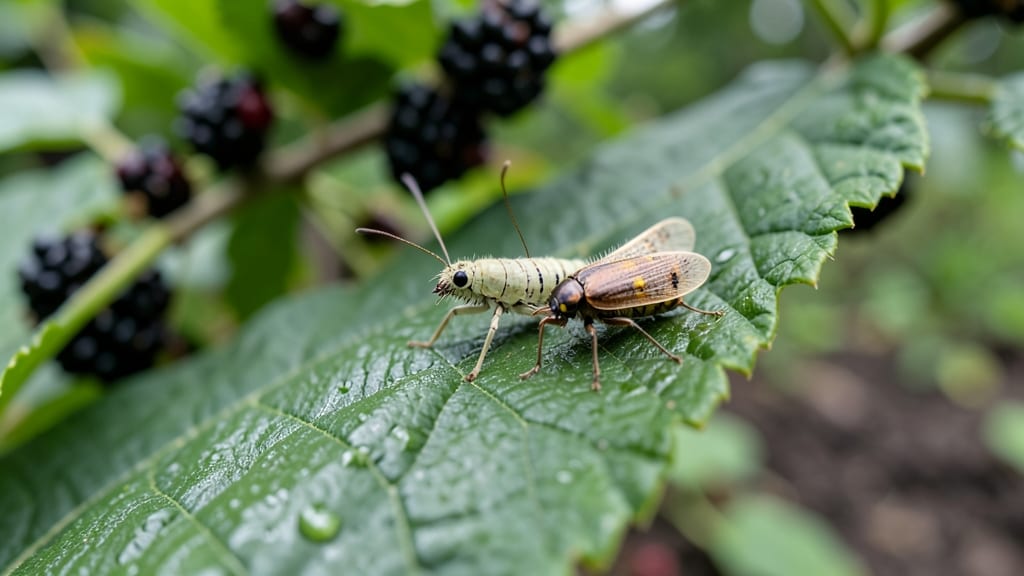
Mulberry tree insects like the blister gall sawfly can turn your tree’s leaves into swollen, puckered messes that look like something out of a fairy tale—except it’s not cute. 🌿 I’ve spent three summers watching these galls spread across my backyard mulberry, and I’ll save you the frustration: this guide cuts straight to identification, pruning fixes, and organic control so you can reclaim your tree’s health without losing your patience.
The culprit is a tiny sawfly larva that chews through leaves, triggering the tree’s defensive response—those galls. You’ll spot them as quarter-sized, blister-like bumps on leaves, often clustered near new growth.
The good news? Pruning infected branches in early spring (before buds swell) stops the cycle. The bad news? You’ll need to repeat this for 2-3 seasons to fully break the infestation.
Once you’ve pruned, spray the tree with a mix of neem oil and insecticidal soap (1 tablespoon each per gallon of water) every 7-10 days during active growth. The oil smothers larvae, while the soap disrupts their feeding.
For heavy infestations, wrap the trunk with tree banding tape in late summer to trap emerging adults before they lay more eggs.
This method works even for mature trees, and the pruning actually improves airflow—so your mulberry gets a double benefit. The key is consistency: tackle the galls early, and you’ll see fresh, smooth leaves by midsummer. Let’s get your tree back to producing those sweet berries without the battle scars.
Root Causes of Mulberry Tree Pests
Understanding why mulberry trees attract insects is key to preventing and managing infestations. These pests don’t just appear randomly—they’re drawn by specific conditions that make your tree an inviting buffet or breeding ground.
Let’s break down the science behind the problem and why your mulberry might be a hotspot for unwanted critters.
---
A mulberry tree with a compromised immune system is like an open invitation to insects. When trees are stressed, their natural defenses weaken, making them more vulnerable to attacks. Here’s why this happens:
- Nutrient Deficiencies: Mulberries thrive on a balanced diet of nitrogen, phosphorus, and potassium. If your tree lacks these essential nutrients, it struggles to produce the protective resins and compounds that repel insects.
For example, a nitrogen deficiency can stunt growth, leaving the tree unable to support strong bark or foliage, which pests like the mulberry pygmy moth or scale insects target first.
- Water Stress: Both overwatering and drought stress can disrupt a mulberry tree’s ability to fight off pests. Overwatering leads to root rot, while drought weakens the tree’s vascular system.
In either case, the tree diverts energy away from pest resistance, making it easier for insects like aphids or spider mites to establish colonies.
- Physical Damage: Broken branches, cracked bark, or wounds from pruning (if not done properly) create entry points for insects. For instance, the mulberry bark borer lays eggs in crevices, and a damaged tree provides the perfect hiding spot.
Even old pruning cuts that haven’t healed can become breeding grounds.
--- Insects are opportunists, and mulberry trees often provide the perfect environment for them to thrive. These conditions mimic their natural habitats, making your tree a prime target:
- High Humidity and Warmth: Many mulberry pests, such as the mulberry gall midge or whiteflies, thrive in warm, humid climates. Mulberry trees with dense foliage trap moisture, creating microclimates that encourage insect activity. If your tree is in a shaded or poorly ventilated area, the problem worsens.
- Overripe or Damaged Fruit: Mulberries that fall to the ground or remain on the tree past their prime become a food source for insects like fruit flies or beetles.
Overripe fruit ferments, releasing sugars and alcohols that attract pests. Additionally, birds or animals pecking at the fruit can create wounds that invite further infestations.
- Lack of Natural Predators: A healthy mulberry tree ecosystem includes natural predators like ladybugs, lacewings, or parasitic wasps that keep pest populations in check. However, if your tree is isolated or treated with broad-spectrum pesticides, these beneficial insects may be absent, allowing pests to multiply unchecked.
--- The time of year and local environmental factors play a huge role in pest outbreaks. Mulberry trees experience peak vulnerability during specific seasons and under certain conditions:
- Spring Flush Growth: In early spring, mulberry trees produce new leaves and shoots in a rapid growth phase called "flush." This tender, nutrient-rich growth is highly attractive to sap-sucking insects like aphids or mites. The tree’s focus on growth diverts energy away from pest resistance.
- Summer Heatwaves: Prolonged heat can stress mulberry trees, making them more susceptible to attacks from pests like the mulberry bark beetle. Heat also dries out the soil, reducing the tree’s ability to absorb water and nutrients, further weakening its defenses.
- Late Summer Fruit Ripening: As mulberries ripen in late summer, they become a magnet for fruit-eating insects. The combination of ripe fruit, warm temperatures, and the tree’s reduced energy reserves (since it’s focused on fruit production) creates the perfect storm for infestations.
--- Sometimes, the way we interact with mulberry trees can inadvertently create conditions that attract insects. Here’s how human behavior contributes to the problem:
- Improper Pruning: Aggressive or untimely pruning can stress the tree, leaving it open to infections and pest invasions. For example, pruning during the growing season (rather than late winter or early spring) can stimulate weak, pest-prone growth.
Additionally, leaving stubs or failing to sterilize pruning tools can introduce pathogens or pests to fresh cuts.
- Over-Fertilization: While fertilization is essential, overdoing it—especially with nitrogen-heavy fertilizers—can lead to soft, succulent growth that attracts pests. Excessive fertilizer also disrupts the soil microbiome, reducing the tree’s natural ability to fend off insects.
- Ignoring Debris and Mulch: Leaving fallen leaves, fruit, or old mulch around the base of the tree creates hiding spots and food sources for pests. For instance, mulberry leaf litter can harbor overwintering insects like the mulberry sawfly, which emerges in spring to lay eggs on new foliage.
--- Some insects are specifically adapted to exploit mulberry trees at particular stages of their life cycle. Understanding these cycles can help you predict and prevent outbreaks:
- Overwintering Habits: Many mulberry pests, such as the mulberry bark borer or gall midges, overwinter in the bark, soil, or leaf litter. If these habitats aren’t disturbed or removed, the pests emerge in spring ready to infest your tree.
For example, blister galls (caused by the Dasineura midge) form on new shoots in spring because the larvae overwinter in the soil and pupate near the tree’s roots.
- Synchronized Outbreaks: Some insects, like the mulberry pygmy moth, time their life cycles to coincide with the tree’s growth phases. Females lay eggs on young leaves, and the larvae hatch just as the tree is most vulnerable—when it’s putting all its energy into new growth rather than defense.
- Chemical Cues: Mulberry trees release volatile organic compounds (VOCs) when stressed, which can attract pests. For instance, damaged or diseased trees emit signals that draw in insects looking for easy meals or breeding sites.
This is why early intervention is critical—once pests detect these cues, an infestation can spiral quickly.
Quick Fixes for Mulberry Tree Pests
Mulberry trees are resilient, but pests like aphids, scale insects, or blister gall mites can stress them if left unchecked. The good news? Most issues respond well to targeted action. Below, we’ve mapped common causes to practical fixes—plus prevention tips to keep your tree thriving long-term.
---
Cause: Clusters of tiny, sap-sucking aphids weaken leaves and attract ants. Fix: - 🔥 Blast them off with a strong stream of water (early morning works best). - 🍳 Mix a homemade spray: 1 tsp dish soap + 1 quart water in a spray bottle. Test on a small leaf first! - 👨🍳 For severe cases, use neem oil (1 tbsp per gallon of water) or insecticidal soap (follow label rates). - ⏰ Repeat every 3–5 days until gone—aphids reproduce fast!
💡 Prevention Tip: - 🌡️ Encourage natural predators: Ladybugs and lacewings love aphids. Plant companion flowers like marigolds nearby. - ✨ Prune infested branches in late winter to reduce hiding spots.
---
Cause: These armored pests latch onto branches, sucking sap and leaving sticky "honeydew." Fix: - 🔪 Scrape them off with a plastic scraper or stiff brush (dispose of debris in a sealed bag). - 🥘 Smother with horticultural oil: Apply dormant oil in late winter or early spring (follow package instructions). - 💊 For heavy infestations, use a systemic insecticide like imidacloprid (soak pruned cuts in solution to prevent reinfestation).
💡 Prevention Tip: - 🎯 Inspect trees regularly—catch scale early when they’re still small and easier to remove. - 🌿 Mulch around the base to deter ants (they "farm" scale insects for honeydew).
---
Cause: Tiny mites cause raised, warty galls on leaves, stunting growth. Fix: - 🔪 Prune and destroy infected leaves/galls (do not compost—burn or bag them). - 🌡️ Thin the canopy to improve airflow (mites thrive in dense, humid conditions). - 💦 Water deeply but less often—overhead watering spreads mites.
💡 Prevention Tip: - ✨ Plant mulberry varieties resistant to galls, like Morus alba ‘Illinois Everbearing.’ - 🌱 Avoid over-fertilizing with nitrogen—it attracts mites.
--- No matter the pest, a strong tree fights back better. Try these year-round habits: - 📊 Test soil pH (mulberries prefer 6.0–7.0).
Amend with lime or sulfur if needed. - 💪 Fertilize in early spring with a balanced 10-10-10 formula. - 🥗 Avoid broad-spectrum pesticides—they kill beneficial insects too!
--- 🔥 Pro Tip: When in doubt, prune strategically—remove 10–20% of the tree’s oldest branches annually to encourage new growth and deter pests. Healthy trees are pest-resistant trees!
Frequently asked questions
What do blister galls on mulberry leaves look like?
Blister galls appear as quarter-sized, puckered, blister-like bumps on mulberry leaves, often clustered near new growth. They start as small, pale swellings that harden over time, sometimes turning brown. The galls are caused by sawfly larvae chewing the leaf tissue, triggering the tree's defensive response.
When is the best time to prune mulberry branches with insect damage?
Prune infected branches during late winter or early spring, before buds swell but after the worst cold snaps. This timing stops the insect life cycle while minimizing stress on the tree. Remove all galled leaves and dispose of them in sealed bags or burn them.
Will neem oil work on mulberry tree insects like aphids or scale?
Yes! Neem oil is effective against many mulberry pests. Mix 1 tablespoon per gallon of water and spray thoroughly on both leaf surfaces every 7-10 days during active growth. The oil smothers insects and disrupts their feeding, but apply it in the evening to avoid harming bees.
Can I use tree banding tape to stop mulberry bark borers?
Wrap the trunk with tree banding tape in late summer to trap emerging adults before they lay eggs. Replace the tape annually or when it becomes dirty. This method works best when combined with removing infested branches and applying horticultural oil.
How do I know if my mulberry tree has a serious insect problem?
Watch for these red flags: wilted leaves, holes in bark, sticky honeydew on branches, or excessive leaf drop. If you see these signs, act quickly—serious infestations can weaken or even kill the tree if left untreated for more than one season.