
Pruning
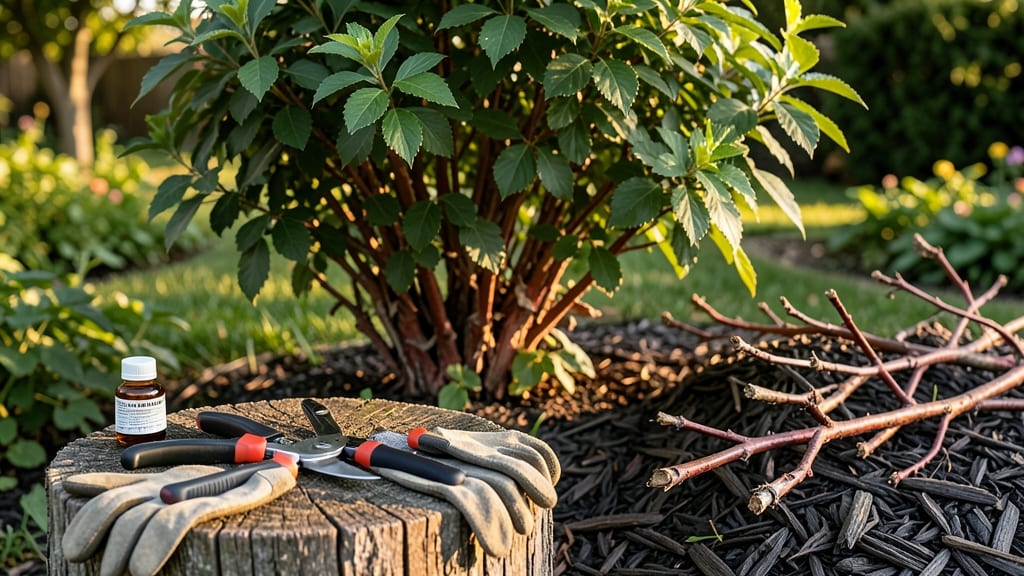
Pruning ninebark trees transforms them from scraggly shrubs into neat, vibrant showpieces that bloom better every year. 🌿 I’ve pruned mine for five seasons now, and the difference between a well-shaped ninebark and one left to its own devices is night and day—more flowers, denser foliage, and that just-right height.
The best time to prune is late winter or early spring, right before new growth starts. You’ll need sharp pruners (bypass or anvil), gloves, and a clear head—this isn’t a "cut everything" job.
Focus on removing dead wood first, then thin out crowded branches to let light reach the center. What you’ll end up with is a ninebark that looks intentional, not wild. The foliage stays lush, the flowers multiply, and the shape holds up through storms.
Just avoid cutting into old wood (it won’t regrow) and never remove more than 25% of the plant in one go. For post-pruning care, water deeply if the weather’s dry, and hold off on heavy fertilizing until new growth appears. The results?
A ninebark that’s healthier, fuller, and easier to maintain than the one you started with.
📚 In This Guide
- What you need
- Instructions
- Tips and common mistakes
- Wrapping up and next steps
What you need
- ● Pruning shears (bypass or anvil type) – Sharp, clean blades (10-12 inches) for cutting small branches (up to ½ inch thick).
- ● Loppers – Long-handled (24-36 inches) for thicker branches (½ to 1½ inches in diameter).
- ● Pruning saw – For branches over 1½ inches thick (avoid folding saws—they can damage wood).
- ● Gloves – Heavy-duty, cut-resistant gloves to protect your hands from thorns and rough bark.
- ○ Safety glasses – Optional but recommended to shield your eyes from debris.
- ● Heavy-duty trash bags – For collecting pruned branches (2-3 bags, depending on tree size).
- ● Disinfectant (70% isopropyl alcohol or bleach solution) – To sterilize tools between cuts and prevent disease spread.
- ● Ladder or step stool – If your ninebark tree is taller than 6 feet (ensure it’s stable and rated for your weight).
- ○ Extension pole pruners – Optional for high branches (20-30 feet reach).
- ● Check the weather: Prune on a dry, calm day to avoid slipping or spreading disease.
- ● Review your ninebark tree’s growth pattern—identify dead, crossing, or overcrowded branches before starting.
- ● Have a clear workspace: Remove obstacles like mulch, rocks, or garden hoses from the pruning area.
Step-by-step instructions for pruning ninebark trees
Here's how I keep my ninebark looking vibrant and healthy year after year.
✂️ Step 1: Time Your Pruning for Optimal Growth
Ninebark responds best to pruning in late winter or early spring—just as new growth begins. This timing lets you shape the tree without removing next season's blooms. I mark my calendar for February to March in most climates, but wait until after the last frost if you live in colder zones.
You'll know it's time when you see buds swelling along the branches. Avoid pruning in fall or summer—late-season cuts can stimulate tender new growth that won't survive winter, while summer pruning stresses the tree during its peak growing period.
✂️ Step 2: Gather Your Tools and Prepare the Tree
Use sharp, clean pruning shears for small branches and loppers for thicker stems up to ½ inch in diameter. For anything larger, break out your pruning saw. Sterilize your tools with rubbing alcohol to prevent spreading disease between cuts.
Start by removing any dead, diseased, or crossing branches—these are your top priorities. Look for branches that rub against each other or grow inward; these create wounds that invite pests. I also scan for dieback (brown, brittle stems) that need complete removal down to healthy wood.
✂️ Step 3: Thin Out the Canopy for Airflow
Ninebark's layered foliage looks stunning, but dense growth traps moisture and invites fungal problems. Aim to remove about 20-30% of the branches to improve airflow. Focus on branches that grow straight up—these compete with the main leader and weaken the tree's structure.
Make your cuts just above an outward-facing bud at a 45-degree angle. This encourages new growth to sprout outward, creating a fuller, more balanced shape. Avoid leaving stubs—these collect water and rot. If you're unsure which bud to target, cut at the branch collar where it meets the trunk.
✂️ Step 4: Shape the Tree for Balance and Form
Step back and assess the tree's natural shape. Ninebark grows in a multi-stemmed, rounded form, so I avoid harsh geometric cuts. Instead, I remove branches that disrupt this flow—think of sculpting rather than manicuring.
For young trees, I focus on establishing a strong central leader. For mature ninebarks, I lightly trim to maintain their rounded silhouette while preserving their signature peeling bark. Never remove more than one-third of the canopy in a single season—this stresses the tree and reduces flowering.
🌿 Step 5: Clean Up and Monitor Recovery
After pruning, rake up all debris and dispose of it in the trash—not your compost pile. Diseased branches can harbor pathogens that survive in compost. I also inspect the cuts for smooth, white cambium (the tree's healing layer)—if you see brown or black, the cut went too deep.
Water the tree deeply after pruning to help it recover. You'll see new shoots emerging from the buds within 4-6 weeks. If growth looks sparse or leaves appear yellow, the tree may need additional nutrients—apply a balanced fertilizer in early spring.
Tips & tricks for perfect ninebark tree pruning
Between us, I've watched ninebark trees go from lush and thriving to struggling after well-meaning but misguided pruning. Here's what I've learned to keep them healthy and beautiful.
Timing is Everything: The late winter to early spring window (February-March) is non-negotiable for most climates. I've seen homeowners prune in summer and watch their trees stress out—ninebark is particularly sensitive to heat stress after cuts. If you're in a colder zone, wait until after the last frost date to avoid damaging tender new growth. That said, if you miss the window, it's better to wait for next year than to prune at the wrong time.
Tool Prep Prevents Problems: Sterilizing your tools between cuts is more important than most people realize. I learned this the hard way when fungal spots appeared on my ninebark after using the same shears on a diseased maple first. Wipe down blades with rubbing alcohol between each cut, especially when dealing with dead or diseased branches. And for heaven's sake, keep your tools sharp—dull blades tear wood instead of making clean cuts, which invites infection.
Canopy Thinning Strategy: When aiming to remove 20-30% of branches for airflow, focus on the "upward growers" first. These vertical branches compete with the main structure and create weak points. I make a habit of stepping back every few cuts to visualize the tree's shape—it's amazing how much difference removing just a few strategic branches makes. Pro tip: The 45-degree angle cut above an outward-facing bud isn't just about aesthetics—it's how you train the tree to grow in the direction you want.
Recovery Checklist: After pruning, I always do a final walkthrough: first, check all cuts for that smooth white cambium layer—anything darker means you cut too deep. Then I give the tree a deep watering, even if it's not the driest season. That 4-6 week recovery period is when the tree's putting all its energy into healing, so don't skimp on aftercare. I've seen trees bounce back beautifully when given this attention, even after aggressive pruning.
Pro Tips for Ninebark Tree Pruning
- Between us, I've watched ninebark trees go from lush and thriving to struggling after well-meaning but misguided pruning.
- Timing is Everything: The late winter to early spring window (February-March) is non-negotiable for most climates.
- Tool Prep Prevents Problems: Sterilizing your tools between cuts is more important than most people realize.
Frequently asked questions
Got questions about keeping your ninebark tree looking its best? You’re not alone! Here are some of the most common concerns—and straightforward answers—to help you prune with confidence.
When is the best time to prune a ninebark tree?
The ideal time is late winter or early spring (before new growth starts) to shape the tree and remove dead branches. Light pruning can also happen in summer to control size, but avoid heavy cuts after mid-July—this can stimulate tender growth vulnerable to frost.
How much can I trim off a ninebark tree without harming it?
Ninebarks are tough! You can safely remove up to one-third of the plant’s foliage in a single pruning session. Focus on dead, diseased, or crossing branches first, then thin out crowded areas. Avoid over-pruning—this shrub thrives on a balanced cut rather than drastic reductions.
Why is my ninebark tree not leafing out after pruning?
If your ninebark looks bare post-pruning, check for over-trimming (especially in late summer/fall) or dormant season pruning (too early). Ensure it’s getting full sun (6+ hours/day) and well-draining soil. If branches are brown and brittle, they may be dead—cut them back to live wood.
Can I prune a ninebark tree in fall?
Light pruning in early fall is fine for cleanup, but avoid heavy cuts after September. Fall pruning can stimulate tender growth that may not survive winter. If you must prune later, stick to removing dead or diseased branches only—save major shaping for spring.
What’s the difference between pruning and shearing a ninebark?
Pruning (with sharp loppers/pruners) targets specific branches for shape, health, or airflow. Shearing (with hedge clippers) creates a uniform, manicured look but can damage the plant’s natural form. Ninebarks look best with selective pruning—shearing is optional and best done lightly in spring.
Wrapping up and next steps
Pruning your ninebark tree doesn’t have to be intimidating—it’s all about timing, technique, and a little patience! 🌿 By following seasonal guidelines, removing dead or overcrowded branches, and shaping with care, you’ll encourage vibrant growth and a stunning landscape feature.
Whether you’re a beginner or a seasoned gardener, the key is consistency and confidence.
Ready to give your ninebark the TLC it deserves? Grab your tools, pick a sunny day, and get pruning—your tree (and your curb appeal) will thank you! For extra inspiration, check out local pruning workshops or connect with gardening communities to share your progress.