
Blooming
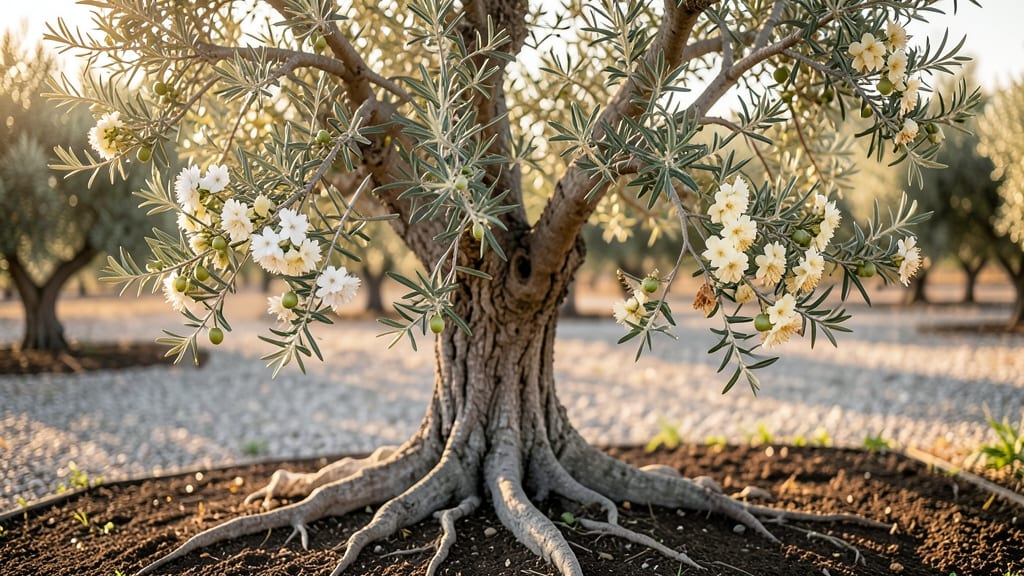
Understanding the olive tree bloom stages is the key to unlocking a bountiful harvest 🫒 — from delicate spring flowers to the first hints of fruit.
Watching an olive tree transform from bare branches to heavy fruit-laden boughs is a gardener’s dream—but timing is everything. Knowing when each stage appears helps you predict harvests, troubleshoot delays, and even encourage healthier growth.
This guide breaks down the year-by-year timeline of olive tree blooming, from pre-flowering buds to fruit maturation, so you can support your tree at every step. Whether you’re in Zone 9b or a warmer climate, these insights will help you maximize your yield.
You’ll learn how to recognize healthy blooms, avoid common pitfalls, and use simple techniques like pruning and watering to boost flowering. Let’s dive into the stages that turn spring flowers into next year’s olives!
Olive tree bloom stages explained: flowering to fruit development timeline
Understanding the olive tree bloom stages is like reading nature’s calendar—each phase reveals what your tree needs to thrive. From delicate white blossoms to plump olives turning purple, timing and conditions make all the difference.
In Zone 9b, blooms typically appear in late winter (January-February), but cooler climates may delay this by 4-6 weeks. Let’s break down each stage so you can predict harvests and troubleshoot issues before they arise.
Olive trees are self-pollinating, but cross-pollination boosts fruit set by up to 30%. The process from bloom to ripe fruit takes 6-12 months, with pit hardening being the final critical phase.
Climate plays a huge role—hot, dry springs can stress flowers, while cool, wet summers may encourage fungal issues. By recognizing these stages, you’ll know exactly when to prune, fertilize, or protect your tree for maximum yield.
| Stage | Duration | Visual Cues | Climate Needs | Key Actions |
|---|---|---|---|---|
| Pre-Flowering | Late Winter (Jan-Feb) | Swollen buds, new growth | Cool (50-65°F), dry | Prune dead wood, fertilize |
| Flowering | 2-3 weeks (Feb-Mar) | White/pink blossoms, sweet scent | Warm (60-75°F), dry | Avoid overwatering, protect from frost |
| Fruit Set | 4-6 weeks (Mar-Apr) | Tiny green olives (pea-sized) | Moderate (65-80°F), consistent moisture | Thin overcrowded fruit, monitor pests |
| Pit Hardening | 6-12 months (Apr-Nov) | Olives darken, pit firmens | Hot (75-95°F), dry | Reduce water, harvest when purple/black |
The pre-flowering stage (late winter) is your first clue about next year’s harvest. Look for swollen buds along branches—these indicate the tree is preparing to bloom. In cooler climates (Zones 8a-9a), this stage may stretch into early spring.
Prune dead or crossing branches now to improve airflow, which reduces fungal risks during flowering. Apply a balanced fertilizer (6-6-6) to encourage strong bud development.
When white or pale pink blossoms appear (typically February-March), your tree is in full flowering mode. These delicate flowers are highly sensitive to temperature swings—frost can kill them instantly, while heatwaves above 85°F may cause premature drop.
Hand-pollinate if needed by gently shaking branches to transfer pollen. Avoid overwatering during this phase, as soggy soil promotes root rot and weakens blooms.
The fruit set stage (4-6 weeks post-bloom) is where tiny pea-sized green olives form. Not all flowers will develop fruit—this is normal! Thin excess fruit to 1-2 inches apart to ensure larger, healthier olives.
Watch for olive fruit fly (a major pest)—use yellow sticky traps to monitor populations. In humid climates, fungal diseases like peacock spot may appear; treat with copper fungicide if needed.
By summer, olives enter the pit hardening phase, where their seeds firm up and skin darkens. This stage can last 6-12 months, depending on variety and climate. Reduce watering to every 10-14 days to concentrate flavors.
In arid regions (Zones 9b-10a), olives may ripen faster, while cooler coastal areas can delay this by 2-3 months. Harvest when olives are deep purple/black and easily detach from branches.
Climate is the wildcard in olive tree bloom stages. Drought stress during flowering can reduce fruit set by <
How to identify and support each olive tree bloom stage
Recognizing the olive tree bloom stages is key to maximizing your harvest. Each stage—from delicate white flowers to developing olives—requires specific care. By observing your tree closely, you can spot stressed blooms early and take corrective action.
For example, drooping flowers often signal underwatering, while yellowing leaves may indicate nutrient deficiencies.
Timing matters most during the flowering stage (spring) when your tree is most vulnerable. Healthy blooms appear fragrant and plentiful, while poor blooms might be sparse or discolored.
Supporting these stages with pruning, pollination assistance, and seasonal adjustments ensures a bountiful yield. Let’s break down how to nurture each phase for optimal fruit production.
Start by pruning dormant branches in late winter to encourage new growth and improve airflow. Remove dead or crossing branches to redirect energy toward flowering. Avoid heavy pruning during bloom, as it can stress the tree and reduce fruit set.
Instead, focus on light shaping to maintain an open canopy, which helps sunlight penetration and pollinator access. 🪴
Pollination is another critical factor. Olive trees rely on wind and insects like bees to transfer pollen. If your tree produces few olives, consider hand-pollinating by gently shaking branches during peak bloom (early morning).
For container-grown trees, place them near bee-friendly plants like lavender or rosemary to attract pollinators naturally. ☀️
Seasonal care shifts as blooms mature. During fruit set, reduce watering slightly to prevent fruit drop caused by overhydration. Mulch around the base with wood chips to retain moisture and regulate soil temperature.
In summer, monitor for heat stress—wilting leaves or curled flowers signal the need for afternoon shade or drip irrigation to keep roots cool. 💧
As olives develop, focus on nutrient balance. A light feeding of potassium-rich fertilizer (like banana peel tea) in early summer supports fruit hardening. Avoid nitrogen-heavy fertilizers, which promote leafy growth at the expense of fruit.
By late summer, reduce watering again to concentrate sugars in the olives, enhancing flavor. Harvest when fruits turn deep purple/black and detach easily. ✂️
Keep a seasonal care journal to track bloom stages and adjust your approach yearly. With consistent support, your olive tree will reward you with abundant, flavorful harvests for decades. The key is patience—olive trees mature slowly, but each bloom stage brings you closer to that first satisfying harvest. 🌱