
Pruning
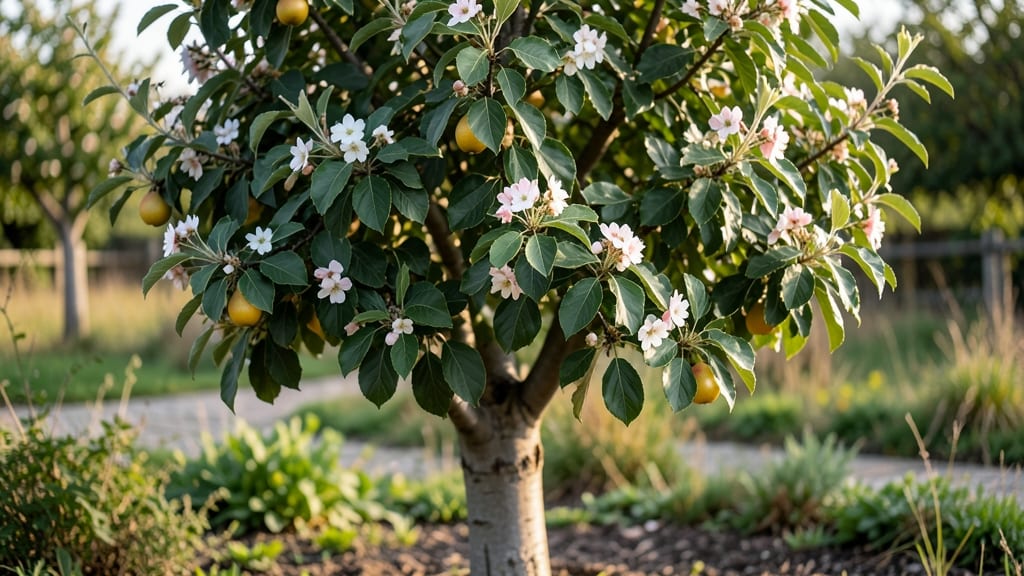
Caring for an oriental pear tree means year-round pruning that transforms a wild, tangled mess into a productive, picturesque centerpiece of your orchard. 🌿 I’ve spent years watching these trees go from scraggly saplings to heavy-fruiting beauties—all thanks to strategic cuts at the right times.
The secret isn’t just trimming branches; it’s about shaping the tree to maximize sunlight, airflow, and fruit set while keeping it healthy for decades.
Start with well-draining soil and full sun, then focus on three key pruning windows: late winter (before buds swell), summer (to control growth), and post-harvest (to clean up).
Each cut should have a purpose—whether it’s opening the canopy for better light penetration, removing dead wood, or encouraging next year’s fruit buds. My ‘Chojuro’ tree now produces pounds of crisp, golden pears every fall, and it all starts with intentional pruning.
You’ll also learn how to spot early signs of fire blight (those blackened, oozing branches) and when to thin fruit to prevent overburdening the tree. The payoff? A stronger structure, fewer pests, and fruit that’s larger and sweeter than store-bought.
Even if you’re new to fruit tree care, these techniques are beginner-friendly once you understand the basics. This guide covers everything from tool prep to seasonal checklists, so you can avoid common mistakes like over-pruning or ignoring disease signs. Let’s get your oriental pear tree thriving—year after year.
📚 In This Guide
- What you need
- Instructions
- Tips and common mistakes
- Wrapping up and next steps
What you need
- ● Pruning shears: Bypass pruners (for small branches, ¼”–½” thick)
- ● Loppers: 1 pair (for medium branches, ½”–2” thick)
- ● Pruning saw: 1 hand saw (for thick branches, 2”+ thick)
- ● Disinfectant: 70% isopropyl alcohol or pruning sealant (1 bottle)
- ● Gloves: Heavy-duty work gloves (1 pair) for protection
- ● Ladder: Extendable or step ladder (if tree is 8+ ft tall)
- ● Tarp or drop cloth: 1 (to collect debris)
- ● Rake: 1 (for cleanup)
- ○ Marking twine or paint: (optional, for tagging branches to remove)
- ● Pruning wax: (to seal larger cuts and prevent disease)
- ● Tree ties or stretchy bands: (for supporting weak branches)
- ● Garden hose: (for rinsing tools post-pruning)
- ● Notebook & pen: (to track pruning notes by season)
Instructions for year-round Oriental pear tree pruning
Here's the seasonal approach I've refined over years of growing these productive trees.
✂️ Step 1: Late Winter Dormant Season Pruning (Jan-Feb)
When the tree is fully dormant and before buds begin to swell, make your first cuts. This is the cleanest time to remove dead, diseased, or crossing branches that compete for energy. I always start by removing any branches that died over winter—they'll be completely brown and brittle, snapping easily when bent.
Use sharp pruning shears to cut just outside the branch collar (the swollen area where the branch meets the trunk). Make clean cuts at a 45-degree angle to prevent water pooling. Remove no more than 25% of the canopy in one session—this prevents stress and maintains fruit production. Look for branches growing inward or rubbing against others; these will break under fruit weight later in the season.
☀️ Step 2: Post-Harvest Light Pruning (Oct-Nov)
After the final fruit harvest but before new growth flushes, do a second round of pruning to open the canopy. This improves air circulation and sunlight penetration—critical for preventing fungal diseases like pear scab. Focus on thinning out branches to create an open center; Oriental pears need good airflow to develop properly.
Remove any suckers at the base of the tree and water sprouts growing from the trunk. These compete with fruit production and weaken the tree's structure. I like to make these cuts on a dry day when the tree has plenty of stored water—this helps it recover faster. Leave some smaller branches; they'll help fill in the canopy next season.
🌱 Step 3: Summer Pruning for Shape and Fruit Load (Jun-Jul)
During the growing season, do light pruning to shape the tree and control fruit load. Remove any branches that are growing too vigorously—these will produce small, poor-quality fruit. Look for water sprouts (fast-growing vertical shoots) and prune them back to a lateral bud or side branch.
Thin out clusters of fruit if needed; Oriental pears often set more fruit than the tree can support. Leave 6-8 inches between fruit clusters to ensure proper sizing. This summer pruning also helps prevent limb breakage later when fruit matures. I always use sterilized tools to prevent spreading diseases between cuts.
⏰ Step 4: Fall Cleanup and Winter Preparation (Dec)
After the final harvest, clean up all fallen fruit and debris from the base of the tree. This removes overwintering sites for pests and diseases. Rake away leaves and fruit mummies (dried, shriveled fruit) that can harbor fungal spores. I also apply a 2-3 inch layer of mulch around the base to protect roots from freezing temperatures.
Check for any remaining dead branches that might have been missed in winter pruning. These can harbor pests over winter. If you notice any signs of disease (like black spots on leaves), remove and destroy affected branches immediately. This final cleanup sets the tree up for healthy new growth in spring.
Tips & tricks for year-round Oriental pear tree care
Keeping your Oriental pear tree productive and healthy requires seasonal precision—and these insights will help you avoid common pitfalls while maximizing fruit yield.
Tool Preparation: Always sterilize your pruning tools with rubbing alcohol or a 10% bleach solution between cuts, especially during Step 3 when you're working with active growth. Disease spores can spread easily through unsterilized tools, and Oriental pears are particularly susceptible to fungal infections. I keep a small spray bottle of diluted bleach solution nearby for quick sterilization between branches.
Visual Cues for Pruning Decisions: In Step 1, look for branches that have completely lost their bark or show dark, sunken cankers—these are clear signs of dead or diseased wood that must be removed immediately. For Step 3's fruit thinning, remember that properly spaced fruit should have about 6-8 inches between clusters, but also watch for fruit that's misshapen or smaller than a golf ball—these are often the ones that won't ripen properly.
Seasonal Timing Strategy: The 25% canopy reduction limit in Step 1 applies to each individual pruning session, not the entire year. You can safely remove up to 25% during winter pruning and another 25% during summer pruning without stressing the tree. This staggered approach prevents shock while still maintaining an open canopy structure that Oriental pears need for optimal fruit development.
Mulch Application Technique: When applying that 2-3 inch layer of mulch in Step 4, create a slight depression around the trunk before adding mulch—this prevents water from pooling against the bark, which can cause rot. I use shredded hardwood mulch because it breaks down slowly and improves soil structure over time, but avoid fresh wood chips which can draw nitrogen from the soil.
Pro Tips for Oriental Pear Tree Care
- Keeping your Oriental pear tree productive and healthy requires seasonal precision—and these insights will help you avoid common pitfalls while maximizing fruit yield.
- Tool Preparation: Always sterilize your pruning tools with rubbing alcohol or a 10% bleach solution between cuts, especially during Step 3 when you're working with active growth.
- Visual Cues for Pruning Decisions: In Step 1, look for branches that have completely lost their bark or show dark, sunken cankers—these are clear signs of dead or diseased wood that must be removed immediately.
Frequently asked questions
Got questions about keeping your Oriental pear tree thriving? Here are some of the most common concerns—and their answers—to help you grow a fruitful, healthy tree with ease!
When is the best time to prune an Oriental pear tree?
Prune your Oriental pear tree in late winter or early spring (just before buds swell) for optimal growth. Avoid heavy pruning in fall, as it can stimulate new growth that won’t harden off before winter. Light shaping in summer after harvest is fine, but keep it minimal to avoid stressing the tree.
How much can I prune without harming the tree?
Remove no more than 20-25% of the tree’s canopy per year. Over-pruning weakens the tree, reduces fruit production, and invites disease. Focus on open-center shaping—thinning out crowded branches and dead wood—to improve airflow and sunlight penetration. Pro tip: Use sharp, clean tools to make precise cuts!
Why aren’t my Oriental pears ripening properly?
Poor ripening often stems from inconsistent pollination or improper pruning. Ensure your tree has a compatible pollinator nearby (like a Kieffer pear variety). Also, check for:
- Overly dense canopies (prune to improve airflow)
- Nutrient deficiencies (test soil and amend with compost)
- Pests/diseases (like fire blight or codling moths)
Can I grow an Oriental pear tree in hot climates?
Yes! Oriental pears thrive in USDA Zones 5-9 but need protection from extreme heat. In hot regions:
- Plant in partial shade (afternoon sun is best)
- Mulch heavily to retain moisture
- Water deeply 2-3x weekly during dry spells
- Choose heat-tolerant varieties like ‘Seigenthaler’ or ‘Moonglow’
What’s a good alternative if I don’t want to prune yearly?
If pruning feels overwhelming, try low-maintenance dwarf varieties like ‘Hooded Oriental’ or ‘Kieffer’, which require minimal shaping. For container growing, opt for espalier training—it keeps the tree compact and productive with just seasonal adjustments. Just ensure your tree still gets 6+ hours of sunlight daily!
Wrapping up and next steps
Caring for your Oriental pear tree is a rewarding journey that blends patience, skill, and a little seasonal know-how! By mastering year-round pruning—from winter’s bold cuts to summer’s gentle shaping—you’ll unlock healthier growth, bountiful fruit, and a stunning canopy.
Remember, every snip is a step toward a thriving tree, so don’t hesitate to roll up your sleeves and get hands-on.
Ready to see your tree flourish? Start small: pick one pruning session this week—whether it’s thinning crowded branches or prepping for spring. Your future harvest (and neighbors’ jealous glances at your tree!) will thank you. 🌿✨