
Pruning
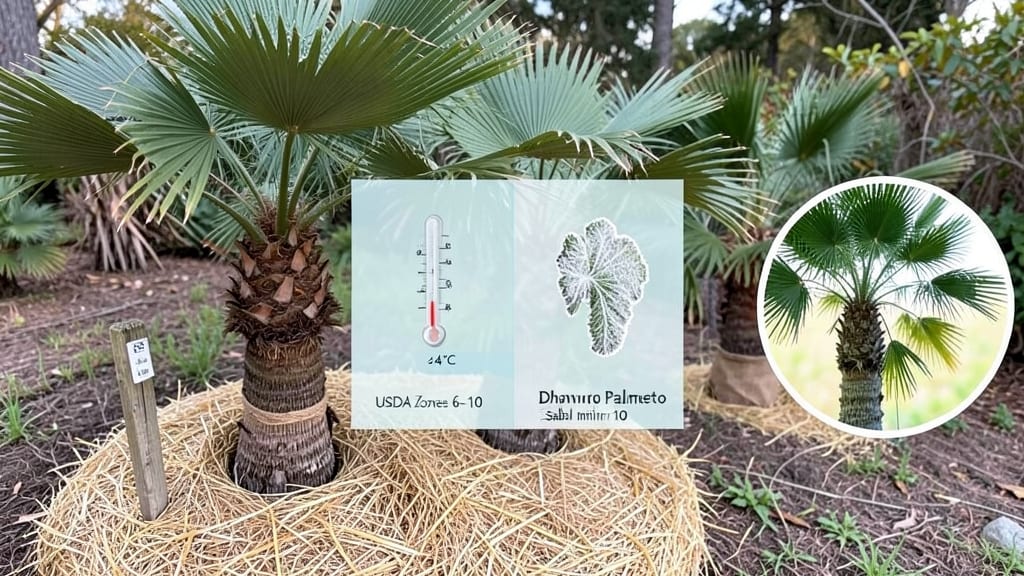
Understanding palm tree cold tolerance reveals they thrive only in USDA Zones 9-11, where most species perish below 20°F (-6°C). However, cold-resistant types like Needle Palms or Windmill Palms can handle brief dips to 10°F (-12°C) with proper protection like mulching and windbreaks.
Palm trees struggle in cold because their tropical origins mean their cells lack frost resistance. When temperatures drop below 20°F (-6°C), ice crystals form inside their tissues, rupturing cell walls and causing irreversible damage. 🌬️ The good news?
Some varieties, like the cold-hardy Windmill Palm, have evolved thicker trunks and slower growth rates to better withstand brief cold snaps. For gardeners in marginal zones, strategic planting near heat-retaining structures or using protective coverings can extend their growing season.
If you're considering adding palms to your landscape in cooler areas, focus on species adapted to your specific climate zone. For example, the Mediterranean Fan Palm thrives in Zone 8 with minimal winter care, while the more delicate Canary Island Date Palm needs Zone 10 protection.
Container growing also offers flexibility—you can move potted palms indoors during winter months or use frost blankets for added insulation.
💡 In This Article
- How Cold Affects Palm Tree Survival Mechanisms
- Cold-Hardy Palm Tree Varieties for Cooler Climates
How cold affects palm tree survival mechanisms
Palm trees evolved in tropical climates where temperatures rarely drop below 60°F (15°C), making them highly sensitive to cold. When exposed to freezing temperatures, their cells undergo a process called cryoinjury, where ice crystals form inside the cell walls.
These crystals physically rupture the delicate membranes, disrupting the flow of water and nutrients. Unlike cold-hardy plants that produce protective proteins (like antifreeze proteins), most palms lack this biological defense, leading to rapid cell death when temperatures fall below 20°F (-6°C). 🌡️
The damage starts at the leaf level. Palm fronds contain high water content, which freezes and expands, causing the tissue to tear. This is why you'll often see browning or blackened fronds after a hard frost—it's a clear sign of irreversible cellular damage.
The trunk, though more resilient, can still suffer from vascular blockage when water freezes in the xylem vessels, preventing nutrient transport. Some species, like the Needle Palm, have evolved thicker, more fibrous trunks that provide slight protection against this type of damage.
Cold also disrupts the root system, which is critical for stability and nutrient uptake. When soil temperatures drop below 40°F (4°C), root activity slows dramatically, and prolonged exposure can lead to root rot or fungal infections.
The combination of frozen roots and damaged foliage creates a cascading effect—without leaves to photosynthesize, the palm starves, even if temperatures later warm up. This is why gardeners in marginal zones often lose entire plants after just one severe freeze, even if they survived previous mild winters. 🌱
Wind exacerbates cold damage by increasing evaporation rates from the leaves, further dehydrating the plant. The fronds can dry out and become brittle, making them more susceptible to wind tear. This is why windbreaks—such as fences, hedges, or even temporary frost cloth—are essential in protecting palms during cold snaps.
The windbreak reduces heat loss by up to 30%, creating a microclimate that can be 5-10°F (3-6°C) warmer near the plant's base.
Interestingly, some palms exhibit a survival strategy called dormancy-like behavior when exposed to gradual cooling. Species like the Windmill Palm can slow their metabolic processes, reducing water loss and energy expenditure. However, this is only effective for brief, mild cold periods—not sustained freezes.
The key difference between cold-hardy and tropical palms lies in their ability to tolerate cellular dehydration without permanent damage, a trait that most ornamental palms lack. 💧
Understanding these mechanisms helps explain why mulching is so effective. A thick layer of mulch (at least 3-4 inches) insulates the soil, maintaining temperatures above freezing even when air temps drop to 20°F (-6°C).
Organic mulches like wood chips or straw also improve soil moisture retention, reducing stress on the roots. For container-grown palms, wrapping the pot in bubble wrap or using a heat mat can provide an additional 10-15°F (6-8°C) of protection during overnight frosts.