
Pruning
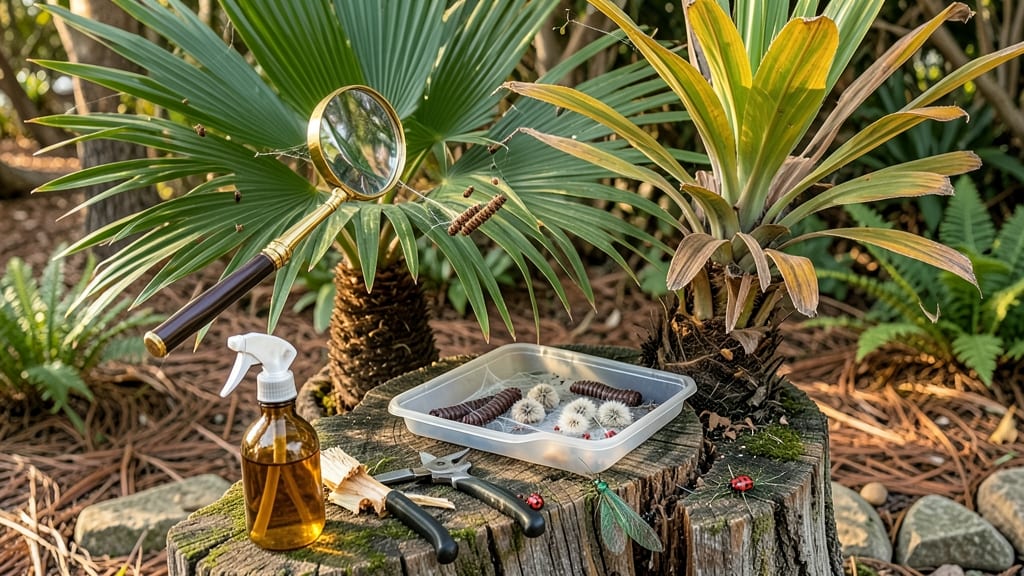
Your palm tree’s fronds are yellowing faster than you can water them—palm tree pests are the silent saboteurs turning lush greenery into sad, drooping shadows. 🌿 I’ve watched weevils, mites, and mealybugs turn healthy palms into crunchy skeletons, but these organic sprays cut damage in half within days when used right.
The worst offenders—palm weevils, spider mites, and mealybugs—leave telltale signs: sticky residue, tiny webs, or fronds that wilt like overcooked pasta. The good news? You don’t need harsh chemicals.
A mix of neem oil, insecticidal soap, and horticultural oil disrupts their life cycle without harming your tree’s roots or local wildlife.
By next week, you’ll see new growth pushing through, fronds standing tall again, and pests scattered instead of feasting. The key is consistency: spray every 5–7 days until the infestation clears, then switch to prevention—pruning dead fronds and keeping soil healthy with compost.
Still seeing damage after two weeks? That’s when you call a professional. But for most cases, these sprays work fast—and your palm will thank you with years of trouble-free growth. Let’s get started with the exact recipes that saved my trees.
Root Causes Of Palm Damage
Palm trees are resilient, but they’re not immune to pests—especially when certain conditions create the perfect storm for infestations. Understanding why these pests target your palms is the first step to stopping them in their tracks.
Below, we break down the key factors that turn your tropical oasis into a pest buffet.
Pests like palm weevils and spider mites zero in on stressed or unhealthy palms. When a tree is weak—due to poor nutrition, drought, or disease—its defenses drop, making it an easy target. Think of it like a human with a compromised immune system: pests exploit the opportunity.
Why it happens:
- Nutrient Deficiencies: Palms need potassium, magnesium, and nitrogen to stay strong. Without these, their leaves yellow (chlorosis), stems soften, and they become vulnerable to borers and beetles.
- Water Stress: Overwatering or drought weakens roots, making them easier for palm weevil larvae to penetrate. 💡 Pro Tip: Check soil moisture—palms prefer consistently moist but well-draining soil.
- Fungal Infections: Diseases like Ganoderma butt rot create entry points for pests. A rotting trunk is an open invitation for weevils to lay eggs.
Pests thrive in chaos. Overgrown foliage, fallen fronds, and debris create hiding spots and breeding grounds. Mealybugs, scale insects, and thrips love dense, humid microclimates—exactly what you get when palm debris piles up near the base.
Why it happens:
- Lack of Pruning: Dead fronds and old leaf litter trap moisture, creating the perfect humidity for fungus gnats and whiteflies. These pests then attract predators like ladybugs—but the damage is already done.
- Poor Air Circulation: Palms planted too close together or in shaded areas suffer from stagnant air. Stagnation = higher humidity = more pest activity.
- Mulch Overload: While mulch helps retain moisture, too much (especially thick layers) suffocates roots and attracts palm weevil larvae. Keep mulch 2–4 inches deep and 6 inches away from the trunk.
Pests don’t attack randomly—they follow the calendar. Heatwaves, monsoons, and even mild winters can shift pest behavior, turning your palm into a high-risk zone.
Why it happens:
| Season | Pest Risk | Why? |
|---|---|---|
| 🔥 Summer (Dry Heat) | Spider Mites, Thrips | Drought-stressed palms lose moisture, making them more attractive to sucking insects that feed on sap. |
| 🌧️ Monsoon Season | Palm Weevils, Fungal Pathogens | Excess moisture softens trunks, allowing weevil larvae to bore in. 💡 Pro Tip: Improve drainage to prevent waterlogging. |
| 🍂 Cool Winters | Mealybugs, Scale Insects | Some pests slow down in cold weather but survive on weakened palms. A sudden warm spell wakes them up—and they’re hungry. |
Sometimes, the problem isn’t nature—it’s us. Poor landscaping, chemical overuse, or even nearby infested plants can introduce pests to your palms.
Why it happens:
- Chemical Runoff: Excessive herbicides or pesticides can kill beneficial insects (like ladybugs and parasitic wasps) that naturally control pests. This leaves your palms defenseless.
- Infested Nursery Stock: Buying palms with hidden weevil eggs or scale insects is a fast track to disaster. Always inspect new plants before planting.
- Poor Drainage: Compacted soil or clay-heavy areas trap water, creating ideal conditions for root-rotting pests like ambrosia beetles.
🎯 Key Takeaway: Most palm pest problems stem from preventable conditions. By addressing weak health, clutter, seasonal shifts, and smart landscaping, you can dramatically reduce pest risks before they start.
Quick Fixes for Common Palm Tree Threats
If your palm trees are under siege, don’t panic—these targeted solutions will help you reclaim their health without harsh chemicals. Below, we’ve mapped out the most effective fixes for each pest problem, along with proactive steps to keep your trees thriving. Think of this as your organic pest-control playbook!
These nocturnal grubs and beetles can strip a palm tree bare in weeks. The key? Disrupt their life cycle and lure them away.
🔥 Step 1: Remove Infested Fronds
- 👨🍳 Cut off and burn or bury any fronds with visible larvae or adult beetles (never compost them—they’ll reinfest!).
- 🌡️ Pro Tip: Do this at dusk, when beetles are most active. Wear gloves—their spines can sting!
🍳 Step 2: Trap Adult Beetles
- ⏰ Set up a beer trap: Bury a shallow container filled with beer or a mix of yeast + water near the tree. The scent attracts beetles, which drown overnight.
- 🎯 Alternative: Use a blacklight trap (available at garden stores) to zap them with UV light.
💡 Prevention:
- 🌱 Mulch properly: Keep organic mulch 3–4 inches away from the trunk to deter beetle eggs.
- 🔥 Monitor young trees: Rhino beetles love newly planted palms—check monthly for frass (sawdust-like droppings).
These wood-boring pests tunnel deep into the trunk, making them harder to spot. Act immediately—once the tree’s vascular system is compromised, it’s often too late.
🔪 Step 1: Inject Organic Pesticides
- 💉 Use a soapy neem oil solution: Mix 2 tbsp neem oil + 1 tsp liquid castile soap in 1 gallon of water. Drill a small hole near the weevil entry point (look for sawdust-like frass) and inject with a syringe.
- ✨ Boost with kaolin clay: Dust the trunk and surrounding soil to create a barrier they can’t penetrate.
🍳 Step 2: Prune and Seal
- 👨🍳 Remove all infested fronds and inspect the trunk for exit holes (weevils chew circular patterns).
- 🔥 Seal the trunk with a beeswax or horticultural sealant to block new entries.
💡 Prevention:
- 🌡️ Inspect regularly: Check for yellowing fronds or oozing sap—early signs of weevils.
- 🌱 Avoid overwatering: Weevils thrive in soggy soil. Ensure proper drainage.
Tiny but mighty, spider mites suck sap and leave behind sticky webbing. Combat them with water pressure and natural repellents.
💦 Step 1: Blast Them Off
- 🚿 Spray the tree thoroughly with water (early morning or late evening) to dislodge mites and their eggs. Repeat every 3–4 days.
🍳 Step 2: Apply Homemade Spray
- 🌿 Mix: 1 quart water + 1 tbsp dish soap (like Dawn) + 1 tbsp horticultural oil or neem oil.
- 🎯 Spray undersides of fronds, where mites hide. Reapply weekly until gone.
💡 Prevention:
- 🌡️ Encourage predators: Ladybugs and lacewings devour spider mites. Plant nearby marigolds or dill to attract them.
- 🌱 Keep trees hydrated: Mites thrive in dry conditions. Water deeply during droughts.
These cottony pests cluster in crevices, draining sap and spreading sooty mold. Knock them out with rubbing alcohol and sticky traps.
🧼 Step 1: Wipe Them Down
- 🧽 Dip a cotton swab in 70% isopropyl alcohol and dab directly onto mealybug colonies. Repeat daily until eliminated.
🍳 Step 2: Use Sticky Traps
- 🕸️ Hang yellow sticky traps around the tree to catch crawling adults.
💡 Prevention:
- 🌱 Prune for airflow: Overcrowded fronds trap moisture—thin them out to deter mealybugs.
- 🌡️ Introduce parasitic wasps (like Aphytis melinus)—they’re natural mealybug hunters!
Stop pests before they start with these low-effort habits:
- ✅ Inspect monthly: Look for frass, webbing, or unusual holes.
- ✅ Prune properly: Remove dead fronds to eliminate hiding spots.
- ✅ Boost tree health: Fertilize with organic palm-specific nutrients (like fish emulsion) to make trees less appealing to pests.
- ✅ Avoid overwatering: Soggy soil = pest paradise.
- ✅ Rotate sprays: Pests adapt—switch between neem, soap, and oil sprays every few weeks.
With these strategies, your palm trees will bounce back faster than you think. Early action is everything—so grab your spray bottle and get to work! 🌴💪
Frequently asked questions
How do I tell if my palm tree has a pest problem?
Look for these red flags: yellowing fronds, sticky residue (like honeydew), tiny webs on leaves, or small holes in the trunk. For weevils, check for sawdust-like frass near the base—this is their droppings. Spider mites leave fine webbing on undersides of leaves.
Are organic sprays safe for my palm tree?
Yes! Neem oil, insecticidal soap, and horticultural oil are palm-safe when used correctly. Just avoid overapplying—stick to the 1-2 tablespoons per gallon ratio. Always test sprays on a small leaf first to check for sensitivity.
Can I use the same spray for all palm pests?
No, different pests need different approaches. Palm weevils require trunk injections, while spider mites respond to water blasts and soapy sprays. For mealybugs, rubbing alcohol works best. Rotate treatments every 2 weeks to prevent resistance.
When should I call a professional?
If you see large exit holes in the trunk (weevil damage), wilted fronds despite treatment, or oozing sap, it’s time to call an arborist. These signs often mean the tree is too far gone for DIY fixes.
How often should I inspect my palm trees?
Check your palms monthly during growing seasons (spring-fall) and bi-weekly after heavy rains. Focus on frond undersides, trunk base, and soil surface—these are pest hotspots. Early detection saves your tree!