
Flowers
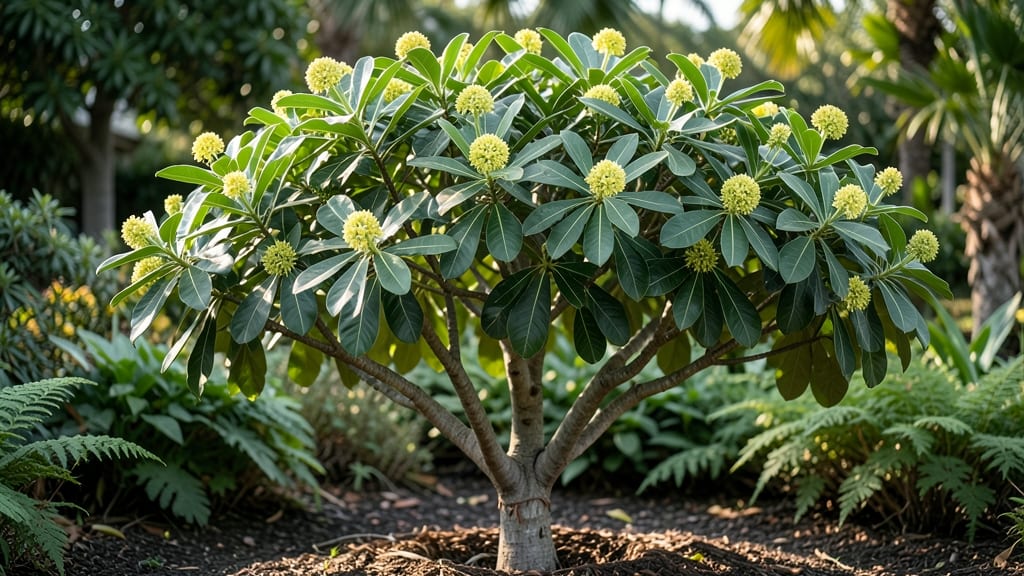
The paradise tree flowers (Delonix regia) transform any garden into a sun-drenched oasis with their fiery blooms and sweet fragrance. 🌺 I’ve watched mine explode into color for months at a time, creating a canopy that feels like a tropical escape—even in a suburban yard.
The secret lies in its placement and the right plant neighbors to make it truly shine.
This showstopper thrives in warm climates but can handle brief cold snaps if planted in sheltered spots. Pair it with palm trees, hibiscus, or bougainvillea for a lush, layered look, or contrast its bold colors with lavender or succulents for a Mediterranean vibe.
In urban settings, its height makes it perfect for parking lot borders or as a striking street tree.
What you’ll love most is how it blooms year-round in ideal conditions, turning your garden into a living postcard. The flowers attract hummingbirds and butterflies, adding movement and life to the scene. Just avoid planting it near sidewalks—those showy seed pods can cause headaches (literally).
For maximum impact, position it where its branches can arch over patios or pool areas. In cooler zones, grow it in large containers and bring it indoors during winter. With the right care, your paradise tree will be the star of every season.
📚 In This Guide
- What you need
- Instructions
- Tips and common mistakes
- Wrapping up and next steps
What you need
- ● Paradise Tree Seeds or Saplings: Seeds: 10–20 (soak overnight for faster germination)
- ● Saplings: 1–2 (3–5 ft tall for quicker blooms)
- ● Well-Draining Soil: 5–10 bags of a mix (60% garden soil, 30% compost, 10% perlite/sand)
- ● Organic Fertilizer: 1–2 lbs of balanced 10-10-10 or citrus-specific fertilizer
- ● Mulch: 2–3 cubic feet (wood chips or straw to retain moisture)
- ● Garden trowel or shovel
- ● Pruning shears (sterilized)
- ● Watering can or hose with adjustable nozzle
- ○ Gloves (optional but recommended for seed handling)
- ○ pH testing kit (optional, ideal range: 6.0–7.5)
- ● Full sun exposure (6+ hours daily)
- ● Spacious area (tree matures 20–40 ft tall/wide)
- ● Warm climate (USDA Zones 7–10; cold-hardy with winter care)
- ● Patience! Saplings bloom in 3–5 years; seeds take 5–7 years.
How to grow and maintain a thriving paradise tree with year-round blooms
Here's the method I've perfected for cultivating these fragrant, ever-blooming trees—no matter your climate.
🌱 Step 1: Select the Right Location and Prepare the Soil
The paradise tree (Simarouba glauca) thrives in full sun to partial shade with at least 6 hours of direct sunlight daily. I always plant mine in a location where it gets morning sun and afternoon shade—this prevents leaf scorch while ensuring enough light for flowering. The key is well-draining soil with a slightly acidic to neutral pH (6.0-7.5).
Before planting, amend the soil with 2-3 inches of organic compost mixed into the top 12 inches of native soil. Paradise trees hate soggy roots, so if your soil drains poorly, add 1 part perlite to 3 parts soil to improve aeration. Test the soil moisture by squeezing a handful—it should hold together but not feel damp. If it's too heavy, mix in sand or coconut coir for better drainage.
☀️ Step 2: Plant at the Correct Depth and Water Deeply
Dig a hole twice as wide as the tree's root ball but no deeper. Place the tree so the top of the root ball sits 1 inch above ground level—this prevents water pooling around the trunk. Gently loosen the roots if they're circling the root ball, then backfill with native soil mixed with compost.
Water deeply immediately after planting—pour 5 gallons of water slowly into the hole to settle the soil around the roots. You'll see the soil sink as it absorbs moisture. After watering, add a 2-inch layer of wood chips or bark mulch around the base, keeping it 3 inches away from the trunk to prevent rot. This mulch layer retains moisture and regulates soil temperature, which is critical for continuous blooming.
💧 Step 3: Establish a Consistent Watering and Fertilizing Routine
Young paradise trees need 1-2 inches of water weekly, but mature specimens are surprisingly drought-tolerant once established. I water deeply every 5-7 days during dry spells, checking the soil 2 inches below the surface—if it feels dry, it's time to water. Overwatering is the fastest way to kill these trees, so always let the top 3-4 inches of soil dry out between waterings.
Fertilize twice a year—once in early spring and again in mid-summer—using a balanced, slow-release fertilizer (10-10-10). Apply it 6 inches away from the trunk and water it in immediately. Avoid high-nitrogen fertilizers, which encourage leafy growth at the expense of flowers. Instead, I use a low-nitrogen, high-phosphorus formula (5-10-10) in spring to promote blooming. You'll notice new flower buds forming within 4-6 weeks after fertilizing.
✂️ Step 4: Prune for Shape and Encourage Dense Flowering
Prune paradise trees lightly in late winter or early spring before new growth begins. Remove dead, diseased, or crossing branches first, then thin out 10-20% of the canopy to improve air circulation. Never prune more than 25% of the tree at once—this stresses the plant and reduces flowering. I focus on opening up the center to let sunlight reach inner branches, which is where the most fragrant blooms appear.
After flowering, you can do a light summer prune to shape the tree, but avoid heavy cuts. The paradise tree blooms on new and old wood, so pruning too aggressively removes potential flower buds. Always use sterilized pruning shears and make cuts just outside a bud or branch collar to prevent infection. You'll see the tree respond with fuller growth and more abundant blooms within a season.
🪴 Step 5: Protect Against Pests and Seasonal Challenges
Paradise trees are generally pest-resistant, but scale insects and aphids can occasionally appear. I treat infestations with a neem oil spray applied in the early morning or evening when bees are less active. Mix 1 tablespoon of neem oil with 1 quart of water and a drop of dish soap for better adhesion. Reapply every 7-10 days until the pests are gone.
In winter, if temperatures drop below 25°F, protect young trees with burlap wraps or a lightweight frost cloth. Mature trees handle cold better but may drop leaves—don’t panic, as they’ll regrow in spring. If you're in a hot, dry climate, provide afternoon shade during the hottest months to prevent leaf burn. With proper care, your paradise tree will reward you with year-round fragrance and stunning blooms for decades.
Tips & tricks for cultivating year-round paradise tree blooms
Here's what I've learned after years of growing these fragrant beauties—small details that make all the difference.
Soil Science: The 6 hours of sunlight requirement is non-negotiable, but soil preparation is where most people go wrong. I always do a percolation test before planting: dig a 12-inch hole, fill it with water, then time how long it takes to drain. If it takes more than 30 minutes, you need to add more perlite or sand to that 12-inch soil depth. The goal is soil that drains like a well-wrung sponge—not bone dry, but never soggy.
Planting Precision: That 1-inch elevation of the root ball above ground level might seem minor, but it's critical for preventing root rot. I've seen trees planted too deep struggle for years with poor blooming. Pro tip: Use a level to ensure the hole isn't sloped—water should pool evenly around the base, not run to one side. This simple check prevents years of frustration.
Fertilizer Timing: The 4-6 week window after spring fertilization is when flower buds form, so don't skip this! I mark my calendar for early spring (February-March) and mid-summer (July-August) fertilizing. For the summer application, I switch to a 10-10-10 formula rather than the high-phosphorus one—this balances growth without overstimulating new shoots that could delay next year's blooms.
Pruning Strategy: When you're thinning that 10-20% of the canopy in Step 4, focus on branches that are growing inward. These are the ones that create dense shade in the center where you want those fragrant blooms. I always make my cuts just outside the branch collar—this little detail prevents the wounds from sealing improperly, which is how infections start. Use a sharp pair of shears and make clean cuts at a 45-degree angle.
Pro Tips for Paradise Tree Flowers
- Here's what I've learned after years of growing these fragrant beauties—small details that make all the difference.
- Soil Science: The 6 hours of sunlight requirement is non-negotiable, but soil preparation is where most people go wrong.
- Planting Precision: That 1-inch elevation of the root ball above ground level might seem minor, but it's critical for preventing root rot.
Frequently asked questions
How fast does the Paradise Tree grow, and how big will it get?
The Paradise Tree is a fast-growing beauty, often adding 3–5 feet per year under ideal conditions. Mature trees typically reach 20–30 feet tall (sometimes taller in tropical climates) with a sprawling, rounded canopy. In containers, growth slows, but it can still thrive as a small tree or large shrub.
When do Paradise Tree flowers bloom, and how long do they last?
One of the tree’s magic tricks? Year-round blooms in tropical zones! In cooler climates, expect flowers spring through fall (with occasional winter blooms if protected). Each 5-inch-wide flower lasts 2–3 days, but new buds open constantly, creating a nonstop floral display.
How much water does a Paradise Tree need?
While drought-tolerant once established, young trees thrive with consistent moisture. Water deeply 2–3 times per week during dry spells, but avoid soggy soil (root rot is a risk). Mature trees need less frequent watering—about once a week in hot weather. Pro tip: Mulch around the base to retain moisture and regulate soil temp.
Can I grow a Paradise Tree in a pot, and what’s the best container size?
Paradise Trees adapt well to containers, making them perfect for patios, balconies, or small yards. Choose a minimum 18–24 inch diameter pot with drainage holes. For mature trees, opt for 30+ gallons to accommodate root growth. Use well-draining potting mix and repot every 2–3 years.
What pests or diseases should I watch for with Paradise Tree Flowers?
These trees are generally pest-resistant, but keep an eye out for:
- Aphids or scale insects: Wipe off with soapy water or use neem oil.
- Whiteflies: Yellow sticky traps can help monitor populations.
- Fungal issues (like powdery mildew): Improve airflow and avoid overhead watering.
If leaves yellow or drop, it may signal overwatering or nutrient deficiency—adjust care and fertilize lightly with a balanced, slow-release formula.
How cold-hardy are Paradise Tree Flowers?
Native to tropical regions, Paradise Trees struggle below 25°F (-4°C). In colder zones, grow them in containers and move indoors or protect with burlap wraps and mulch. Young trees are more vulnerable—consider USDA Zones 10–12 for outdoor planting.
Wrapping up and next steps
The Paradise Tree isn’t just a plant—it’s a year-round masterpiece that brings color, fragrance, and joy to any garden. Whether you’re drawn to its vibrant blooms, low-maintenance charm, or the dreamy scent it fills the air with, this tree promises beauty without the fuss. 🌺✨
Ready to invite a touch of paradise into your space? Start by choosing your spot—sunny, sheltered, and full of potential—and let the Paradise Tree work its magic. Plant it today, and watch as your garden transforms into a fragrant, ever-blooming oasis!