
Pruning
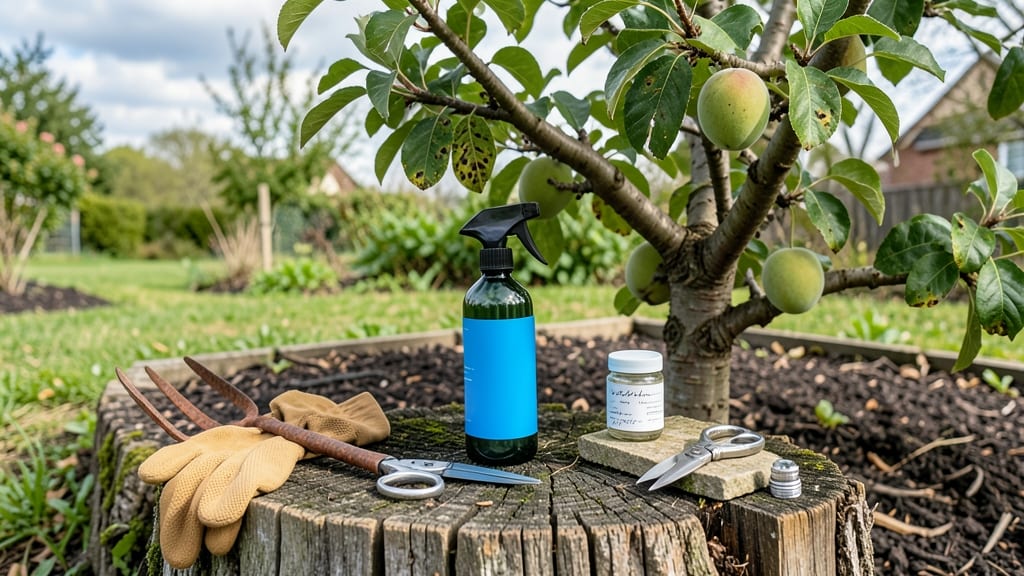
Those brown-spotted leaves with yellow halos on your peach tree aren’t just ugly—they’re a peach tree bacterial spot treatment outbreak waiting to spread. 🌿 I’ve battled this stubborn fungus and learned that copper spray isn’t just a last resort; it’s the foolproof first line of defense when caught early.
The key is acting fast before defoliation turns your tree into a bare skeleton by summer. The copper spray works by disrupting the fungus’s cell walls, but you’ll need to pair it with pruning infected branches (sterilize your tools with rubbing alcohol!) and improving airflow around the tree.
Organic gardeners swear by homemade copper solutions, while conventional growers rely on pre-mixed fungicides—both get results when used correctly. I’ve seen trees recover completely in just two growing seasons with consistent treatment.
What you’ll end up with is a tree that keeps its leaves longer, fruits better, and resists future outbreaks. The secret? Preventive sprays every 2-3 weeks during wet seasons, plus proper sanitation to break the cycle.
Even if your tree looks rough now, this method turns things around—no more panicking when you see those telltale spots. Works for home orchards, backyard peach trees, and even container-grown varieties. Let’s get that tree back to healthy before the next rain.
📚 In This Guide
- What you need
- Instructions
- Tips and common mistakes
- Wrapping up and next steps
What you need
- ● Copper-based fungicide (e.g., Copper Sulfate or Copper Hydroxide): 1–2 lbs per 100 gallons of water (follow label instructions for concentration).
- ● Choose a USDA-approved or OMRI-listed product for organic gardening.
- ● Sprayer equipment: Hose-end sprayer or backpack sprayer (minimum 2–4 gallons capacity).
- ● Nozzles: Use cone or flat-fan tips (e.g., 8002 or 8004) for even coverage.
- ● Protective gear: Gloves (nitrile or rubber, waterproof).
- ● Long sleeves, pants, and safety goggles (copper can irritate skin/eyes).
- ● Pruning tools: Sterilized pruning shears (clean with 70% isopropyl alcohol or bleach solution).
- ● Disposable pruning bags (for infected branches).
- ● Water source: Access to clean water (e.g., garden hose or 5-gallon bucket for mixing).
- ● Baking soda solution (1 tbsp baking soda + 1 tbsp horticultural oil + 1 gallon water) for mild cases.
- ● Ladder (if tree exceeds 6+ feet in height).
- ● pH test strips (to check water hardness—ideal pH for copper: 5.0–7.0).
- ● Organic mulch (e.g., wood chips) to improve soil health post-treatment.
Step-by-Step guide to treating peach tree bacterial spot with copper spray
This copper-based treatment stops fungal spread and protects your tree's health—here's how to apply it effectively.
🌿 Step 1: Prune and Remove Infected Leaves and Fruit
Start by removing all infected leaves, twigs, and fruit showing bacterial spot symptoms—look for dark, greasy-looking spots with yellow halos. Sterilize your pruners between cuts with rubbing alcohol to prevent spreading spores. I like to collect infected material in a sealed bag and dispose of it in the trash, not the compost pile, since bacterial spot thrives on organic debris.
Focus on removing at least 80% of visible symptoms before spraying. The copper spray works best when applied to a clean surface, so thorough pruning ensures maximum effectiveness. If your tree has severe infection, consider removing entire branches back to healthy wood—this may seem drastic, but it prevents the disease from spreading further.
💧 Step 2: Prepare the Copper Spray Solution
Use a copper fungicide labeled for bacterial spot control—common options include copper sulfate, copper hydroxide, or fixed copper formulations. Mix the solution according to package instructions, typically 1-2 tablespoons per gallon of water. I prefer fixed copper because it's less likely to clump or settle out in the spray tank.
Wear protective gloves, long sleeves, and eye protection when handling copper products—it can irritate skin and eyes. Stir the solution thoroughly for at least 2-3 minutes to ensure even distribution. For best results, apply when temperatures are between 50-85°F and avoid spraying if rain is forecast within 24 hours, as it can wash off.
☀️ Step 3: Apply the Spray Systematically
Start spraying when the tree is dry and foliage is fully extended—early morning is ideal to allow leaves to dry before evening humidity sets in. Use a horticultural sprayer with a fine mist nozzle to ensure thorough coverage. Focus on the undersides of leaves, where bacterial spot often starts, and apply until runoff occurs.
Pay special attention to new growth, fruit clusters, and any areas where water tends to pool. I like to work in sections, spraying one branch at a time to avoid missing spots. Apply the spray in even, overlapping passes to ensure full coverage. If your tree is large, consider using a ladder with a spray shield to protect nearby plants and surfaces.
⏰ Step 4: Schedule Follow-Up Applications
Bacterial spot often requires multiple applications for full control. Plan to spray again in 7-14 days, then every 2-4 weeks during the growing season, depending on rainfall and humidity. Copper sprays work best as a preventative, so consistent applications are key—don't skip treatments just because symptoms disappear.
Monitor your tree closely after each application. If new spots appear, increase the frequency of sprays or consider adding a secondary fungicide labeled for bacterial spot. I also recommend applying a 1-inch layer of mulch around the base of the tree to improve drainage and reduce splashing of infected soil onto the trunk and lower branches.
✂️ Step 5: Prevent Recurrence Through Sanitation and Care
After the growing season, rake up and remove all fallen leaves and debris from under the tree. Prune again in late winter to remove any remaining infected wood and open the canopy for better airflow. Sterilize pruning tools with a 10% bleach solution or rubbing alcohol before and after each use to prevent cross-contamination.
Improve tree health by ensuring proper watering—peach trees need 1-2 inches of water per week, delivered at the base rather than overhead. Avoid overhead irrigation entirely during active bacterial spot season, as wet foliage encourages spore germination. Healthy trees are more resilient, so consider applying a balanced fertilizer in early spring to support new growth.
Tips & tricks for effective peach tree bacterial spot control
Here's what I've learned after treating multiple infected trees—these details make all the difference between temporary relief and long-term protection.
Pruning Precision: When removing infected branches in Step 1, cut back to at least 6 inches below the last visible symptom. This ensures you're removing the entire infected zone where bacteria may be dormant. I've seen infections reappear when homeowners only trimmed the visibly spotted areas—always cut deeper than it looks necessary. The goal is to eliminate the disease reservoir completely before applying copper treatments.
Solution Mixing: For Step 2, stir that copper solution for the full 2-3 minutes—don't rush it! I've noticed that many gardeners stop stirring too soon, leaving settled copper particles at the bottom. This creates an uneven concentration that may miss spots. Use a clean stick or paddle to scrape the sides and bottom occasionally during mixing. Also, consider adding a small amount of dish soap (¼ teaspoon per gallon) to help the solution adhere better to leaf surfaces.
Application Timing: The 50-85°F temperature window in Step 3 is crucial because copper becomes less effective when applied in extreme heat or cold. I've found that early morning applications (around 7-9 AM) often hit this sweet spot perfectly while also allowing leaves to dry before evening humidity sets in. If you must spray later in the day, aim for late afternoon when temperatures naturally begin to drop—just make sure leaves have several hours to dry completely before nightfall.
Follow-Up Strategy: When scheduling those 7-14 day follow-ups in Step 4, consider creating a simple spray calendar. Mark your first follow-up for 10 days after initial treatment, then space subsequent applications every 3 weeks during peak growing season. I've seen trees that needed more frequent sprays (every 2 weeks) during periods of heavy rainfall—watch your local weather forecasts and adjust accordingly. The key is consistency; bacterial spot won't disappear after just one treatment.
Pro Tips for Peach Tree Bacterial Spot Treatment
- Here's what I've learned after treating multiple infected trees—these details make all the difference between temporary relief and long-term protection.
- Pruning Precision: When removing infected branches in Step 1, cut back to at least 6 inches below the last visible symptom.
- Solution Mixing: For Step 2, stir that copper solution for the full 2-3 minutes—don't rush it!
Frequently asked questions
about treating peach tree bacterial spot with copper-based sprays—get quick answers to common concerns!When is the best time to apply copper spray for bacterial spot?
The ideal time to apply copper spray is before symptoms appear—typically in early spring (bud swell stage) and again after harvest. For existing infections, apply at first sign of spots (tiny brown lesions with yellow halos). Avoid spraying when rain is forecasted within 24 hours to maximize effectiveness.
Can I mix copper spray with other fungicides?
Yes, but with caution! Copper can be mixed with fixed copper fungicides (like copper hydroxide) or organic options like neem oil or potassium bicarbonate. Avoid mixing with sulfur-based sprays—they react poorly. Always test a small leaf area first to check for phytotoxicity (leaf burn).
How often should I treat my peach tree for bacterial spot?
For prevention, apply copper spray every 7–14 days during peak bacterial spot season (spring to early summer). If your tree is severely infected, increase frequency to every 5–7 days until new growth appears healthy. Consistency is key! Missed sprays let the bacteria spread.
Will copper spray harm bees or beneficial insects?
Copper fungicides are low-risk to bees when applied correctly, but avoid spraying during peak bloom (when peach trees flower). For extra safety, apply in early morning or late evening when bees are less active. Choose fixed copper formulations (like copper hydroxide) over dusts to minimize drift.
What if copper spray doesn’t work? Are there alternatives?
If copper fails, try these alternative treatments:
- Bacterial spot-resistant varieties (e.g., ‘Redhaven’ or ‘Elberta’ peaches).
- Biological controls like Bacillus subtilis (e.g., Serenade ASO).
- Pruning infected branches 6 inches below lesions and sterilizing tools with 70% alcohol.
- Improved airflow—thin dense foliage to reduce humidity.
For organic growers, copper + potassium bicarbonate (1 tbsp per gallon) can boost efficacy.
Wrapping up and next steps
Bacterial spot on peach trees doesn’t have to be a hopeless battle—with the right copper-based treatments and proactive care, you can protect your trees and enjoy healthy, bountiful harvests! 🌱 Start by cleaning up fallen leaves, applying copper sprays at the right intervals, and monitoring for early signs of infection.
Your effort now will pay off in stronger, disease-resistant trees later.
Ready to take action? Grab your copper fungicide today and give your peach trees the defense they deserve! For extra peace of mind, consider consulting a local arborist to tailor a plan for your specific climate and tree health.