
Container Gardens
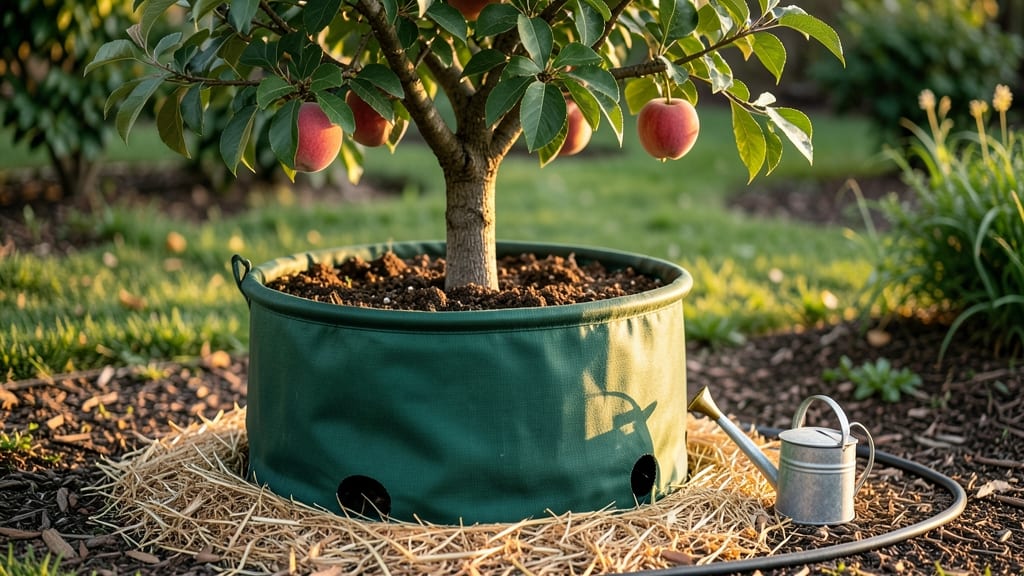
Peach tree container size needs to start at a 5-gallon minimum—but that’s just the beginning. 🌱 I’ve watched tiny pots stunt growth and heard gardeners swear they’d never try again. The truth?
With the right container and dwarf variety, you can grow peaches on a balcony or patio. The key is matching root space to the tree’s growth habit and avoiding the "too-small-too-soon" trap.
Most compact peach varieties (like ‘Bonanza’ or ‘Bonanza Red’) thrive in 15-25 gallon containers as they mature, but even dwarf trees need room to stretch their roots. Fabric grow bags or sturdy wood barrels work best—they’re breathable, drain well, and prevent root circling.
Fill them with a well-draining mix of 60% potting soil, 30% compost, and 10% perlite to mimic loose, aerated orchard soil.
You’ll harvest smaller fruit than in-ground trees, but the flavor often surprises people—sweet, juicy peaches just steps from your kitchen. The trade-off? More frequent watering (containers dry out fast) and winter protection (move pots indoors or wrap in burlap).
With proper care, a container-grown peach tree can live 10+ years and produce fruit reliably.
Pro tip: Rotate containers quarter-turns weekly to prevent leaning, and prune aggressively in late winter to encourage bushier growth. If space is tight, consider espalier training—it keeps the tree compact while maximizing fruit production. The payoff? Fresh peaches without the backyard commitment.
📚 In This Guide
- What you need
- Instructions
- Tips and common mistakes
- Wrapping up and next steps
What you need
- ● Container: A minimum 18- to 24-inch diameter pot (deeper is better for dwarf varieties). Use a 5-gallon or larger container for semi-dwarf peach trees. Ensure it has drainage holes!
- ● Potting Mix: A high-quality, well-draining container mix (avoid garden soil—it compacts!). Aim for 2-3 cubic feet per tree.
- ● Dwarf or Semi-Dwarf Peach Tree: Choose a container-friendly variety like ‘Bonanza,’ ‘Redhaven,’ or ‘Elberta.’ Nursery-bought trees are best!
- ● Fertilizer: A balanced, slow-release fertilizer (10-10-10 or 20-20-20) or organic options like composted manure.
- ● Support System: A small tree stake or cage (3-4 feet tall) to stabilize the tree as it grows.
- ● Mulch: Organic mulch (straw, wood chips) to retain moisture and regulate soil temperature.
- ● Self-watering system (e.g., a drip irrigation kit) for consistent moisture.
- ● Heat mat or grow lights if growing in cooler climates (peaches love warmth!).
- ● Pruning shears for shaping and maintaining the tree’s size.
- ● Container saucer or tray to catch runoff and prevent messes.
- ● Epsom salt (magnesium sulfate) for occasional foliar sprays to boost fruit production.
How to select and care for peach trees in containers
Compact peach varieties thrive in containers with the right size and care—here's how to choose and grow them successfully.
🪴 Step 1: Choose the Right Container Size and Type
Peach trees need at least a 24-inch diameter pot with 18-24 inches of depth to accommodate their root systems and support healthy growth. Smaller pots restrict roots and stunt fruit production. I recommend fabric grow bags or heavy-duty plastic containers with drainage holes—these allow roots to breathe while preventing waterlogging.
For dwarf varieties like 'Bonanza' or 'Bonanza Red', a 20-gallon container is ideal, while semi-dwarf types need 25-30 gallons. Avoid decorative pots without drainage—they trap excess moisture and invite root rot. Place a 2-inch layer of gravel or broken pottery at the bottom before adding soil to improve drainage.
☀️ Step 2: Select a Compact Peach Variety Suited for Containers
Not all peach trees adapt well to containers. Look for dwarf or semi-dwarf varieties bred for small spaces, such as 'Bonanza', 'Bonanza Red', or 'Bonanza Gold'. These stay under 8-10 feet tall and produce fruit reliably in pots. Avoid standard peach tree varieties—they outgrow containers quickly and struggle with root confinement.
Check the USDA hardiness zone for your area and select a variety that matches. Most container-friendly peaches thrive in zones 5-9. If you live in a colder climate, choose a self-pollinating variety to ensure fruit set. I always verify the tree’s mature size before purchasing—some "dwarf" labels refer to rootstock, not the actual tree height.
🌱 Step 3: Plant with Well-Draining Soil and Essential Nutrients
Fill the container with a loose, well-draining potting mix designed for fruit trees. I blend 50% high-quality potting soil, 30% compost, and 20% perlite or coarse sand to improve aeration and drainage. Avoid garden soil—it compacts in containers and suffocates roots.
Add a slow-release fertilizer (like 10-10-10) at planting time, following the package instructions. Peach trees are heavy feeders, so I top-dress with organic compost every 4-6 weeks during the growing season. Water deeply after planting until water drains freely from the bottom, then let the top 2 inches of soil dry out before watering again.
💧 Step 4: Water and Fertilize for Optimal Container Growth
Container-grown peach trees dry out faster than in-ground trees. Water deeply 2-3 times per week during hot weather, ensuring the entire root ball stays moist but not soggy. Overwatering leads to root rot, while underwatering causes stress and poor fruit production. I check moisture by sticking my finger 2 inches into the soil—if it feels dry, it’s time to water.
Fertilize every 4-6 weeks during the growing season with a balanced fruit tree fertilizer. In late summer, switch to a low-nitrogen, high-phosphorus formula to encourage root development before dormancy. I also apply Epsom salt (1 tablespoon per gallon of water) monthly to prevent zinc deficiency, a common issue in container-grown peach trees.
✂️ Step 5: Prune and Maintain for Healthy Fruit Production
Prune your peach tree annually in late winter or early spring before new growth begins. Remove dead, diseased, or crossing branches first, then thin out excessive growth to improve air circulation. Aim to keep the tree open and vase-shaped for better sunlight penetration and fruit development.
Thin fruit in early summer to leave 6-8 inches between peaches—this ensures larger, higher-quality fruit. I also monitor for peach tree borers and treat with neem oil if I spot signs of infestation. Move containers to a protected location during winter if temperatures drop below 10°F, using burlap wraps to shield the trunk from cold winds.
Tips & tricks for perfect container-grown peach trees
Between us, these small-space tricks will help your container peach thrive like a pro—no backyard required.
Container Size Logic: The 24-inch diameter minimum isn't arbitrary—it accounts for root spread and stability. I've seen trees topple when planted in undersized decorative pots. For semi-dwarfs needing 25-30 gallons, calculate based on mature root ball size, not just top growth. Fabric grow bags expand as roots develop, giving you 10-15% more growing space than rigid plastic.
Variety Verification: That "dwarf" label on the tag might be misleading—always cross-check with the nursery's grower notes. The 'Bonanza' series truly stays under 8 feet, while some "dwarf" labels refer only to rootstock. I've planted three varieties and found 'Bonanza Gold' produces the most reliable fruit in containers. For zones 5-9, verify self-pollination status—some varieties need a second tree for fruit set.
Soil Science: The 50-30-20 soil blend (potting soil/compost/perlite) creates that perfect air-to-moisture ratio. I've ruined two trees by using garden soil—it compacts and suffocates roots. Pro tip: Add ½ cup of bone meal to your planting mix for extra phosphorus, which peach trees crave for fruit development. This isn't optional—it's the difference between blossoms and actual fruit.
Winter Protection: That 10°F threshold is critical—below that, peach trees suffer cold damage. I wrap containers in burlap and move them to protected spots like against south-facing walls. For extra insurance, add a layer of straw mulch around the base. If you're in zone 5, consider bringing potted trees indoors during extreme cold snaps—just don't let them bake in heat above 85°F.
Pro Tips for Peach Tree Container Size
- Between us, these small-space tricks will help your container peach thrive like a pro—no backyard required.
- Container Size Logic: The 24-inch diameter minimum isn't arbitrary—it accounts for root spread and stability.
- Variety Verification: That "dwarf" label on the tag might be misleading—always cross-check with the nursery's grower notes.
Frequently asked questions
Got questions about growing peach trees in containers? You’re not alone! Here are some of the most common concerns—and straightforward answers to help you succeed.
What’s the smallest container size for a peach tree?
A dwarf peach tree thrives in a 5-gallon container (18–24 inches deep), while semi-dwarf varieties need 10+ gallons (24–30 inches deep). Avoid shallow pots—they stunt root growth and limit fruit production. Pro tip: Wider containers help stabilize the tree as it matures!
How fast do container-grown peach trees bear fruit?
Dwarf varieties can produce fruit in 2–3 years, while standard-sized trees may take 4–5 years. Container size, sunlight, and care (like pruning and fertilizing) speed up fruiting. Fun fact: Some compact varieties like ‘Bonanza’ or ‘Bonanza Red’ are bred for early harvests!
Do peach trees in containers need full sun?
Yes! Peach trees require 6–8 hours of direct sunlight daily for optimal growth and fruiting. South-facing balconies or sunny patios are ideal. If your space gets partial shade, choose low-chill varieties (like ‘Redhaven’ or ‘Elberta’) that tolerate cooler climates better.
How often should I water a peach tree in a pot?
Water when the top 1–2 inches of soil feel dry (usually every 2–3 days in summer). Containers dry out faster than ground soil! Use a moisture meter or stick your finger in the soil to check. Warning: Overwatering causes root rot—ensure pots have drainage holes.
Can I grow a peach tree in a container year-round?
Peach trees are not frost-hardy in pots—they need winter protection. Move containers to a garage or sheltered area when temps drop below 20°F (-7°C). In mild climates, mulch heavily and use frost blankets. Alternative: Grow in-ground in winter and repot in spring!
What if my peach tree isn’t fruiting?
Check these fixes:
- Sunlight: Move to a sunnier spot.
- Pollination: Hand-pollinate with a brush if bees are scarce.
- Fertilizer: Use a balanced fruit-tree formula in early spring.
- Pruning: Thin out dense branches for airflow.
Wrapping up and next steps
Choosing the right peach tree container size for your small space or balcony is all about balancing variety, care, and space efficiency! Compact dwarf peaches like 'Bonanza' or 'Redhaven' thrive in 15–25 gallon pots, making them perfect for urban gardeners.
With the right soil, sunlight, and pruning, you can enjoy fresh peaches—even in tight quarters! 🌱
Ready to grow? Start by selecting your favorite dwarf variety, grab a sturdy container, and get planting. Your future peach harvest is just a few seasons away—let’s make it happen! 🍑✨