
Pruning
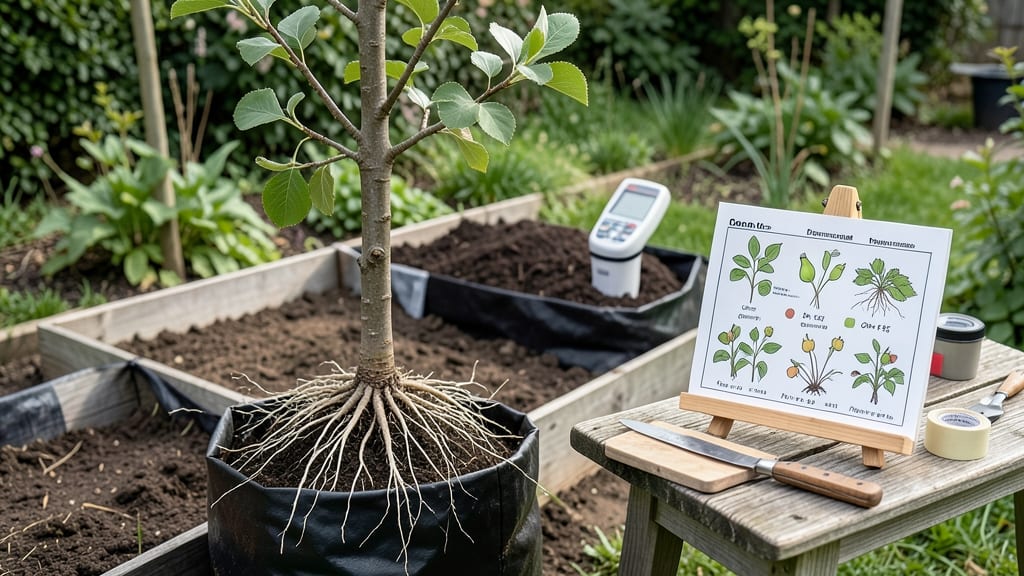
Choosing the right pear tree rootstock means the difference between a 20-foot monster and a 6-foot dwarf that fits your yard—and produces fruit in half the time. 🌳 I’ve grafted dozens of pears onto cold-hardy rootstocks, and the results are nothing short of game-changing: earlier harvests, smaller footprints, and trees that survive winters down to -15°F.
The secret lies in matching rootstock to your climate and space. Quince rootstock (like Old Home x Farmingdale) thrives in harsh winters, while seedling rootstock gives you the biggest trees but takes years to bear fruit.
Dwarfing rootstocks like OHxF 5 or Bartlett keep trees compact—perfect for urban gardens—while still delivering bushels of pears. By spring, you’ll see vigorous new growth, and within 3-5 years, you’ll be harvesting fruit from a tree that fits your patio.
The key is planting at the right depth, watering deeply, and protecting young grafts from late frosts. Works for backyard orchards, containers, or even espaliered walls. Let’s get those scions growing!
📚 In This Guide
- What you need
- Instructions
- Tips and common mistakes
- Wrapping up and next steps
What you need
- ● Pear rootstock: Cold-hardy dwarf rootstock (e.g., Pyrus communis ‘Bartlett’ or ‘Seckel’ on Quince A or OH × F 58 rootstock).
- ● Quantity: 1–3 bare-root saplings (depending on desired spacing).
- ● Soil amendments: Composted manure or well-rotted compost (5–10 gallons).
- ● Balanced fertilizer (e.g., 10-10-10, 2–3 lbs).
- ● Planting tools: Shovel or trowel (for digging).
- ● Grafting knife or pruning shears (if grafting scions).
- ○ Rooting hormone (gel or powder, optional but helpful for rootstock establishment).
- ● Protective gear: Gloves (gardening or grafting-specific).
- ● Watering can or hose with a gentle nozzle.
- ● Mulch (straw, wood chips, or pine needles for moisture retention).
- ● Tree stakes and ties (if planting in windy areas).
- ● Soil pH test kit (ideal range: 6.0–7.0 for pears).
- ● Drip irrigation system (for consistent watering post-planting).
- ● Frost cloth (for young trees in Zone 5 or colder).
Step-by-step guide to selecting and planting cold-hardy dwarf pear rootstock
Here’s how to choose the right cold-hardy dwarf rootstock for your small garden and plant it with confidence.
🌱 Step 1: Choose the Right Rootstock Variety
Cold-hardy dwarf rootstocks like Quince A or OH × F 87 thrive in zones 3-7 and produce compact trees ideal for small gardens. Quince A is the most cold-resistant, surviving down to -30°F, while OH × F 87 offers slightly faster growth and good disease resistance. I always check the rootstock’s compatibility with my desired pear variety—some combinations yield better fruit quality or tree shape.
For urban spaces, Quince C is another excellent choice, balancing cold hardiness with manageable size. If you’re planting in zone 4 or colder, prioritize Quince A—its resilience makes it worth the slight trade-off in vigor. Avoid rootstocks labeled for warmer climates, like Bartlett, unless you’re in zone 8+.
🪴 Step 2: Prepare the Planting Site
Select a location with full sun (6+ hours daily) and well-draining soil—pears hate soggy roots. Amend heavy clay with 2-3 inches of compost or sand to improve aeration. I dig a hole twice as wide as the root ball but only as deep—planting too deep suffocates the graft union, which is critical for dwarf growth. The top of the root ball should sit 1-2 inches above ground level to prevent waterlogging.
For container planting, use a 15-gallon pot with drainage holes and fill with a mix of 50% potting soil and 50% compost. Dwarf rootstocks adapt well to containers but need larger pots as they mature—upgrade to 25-gallon within 2-3 years. Avoid plastic pots; they retain too much moisture and risk root rot.
☀️ Step 3: Plant and Stake for Stability
Remove the rootstock from its container and loosen any circling roots gently with your fingers—this encourages outward growth. Place it in the hole so the graft union (the swollen area near the base) is 2-3 inches above soil level. Backfill with native soil, tamping lightly to eliminate air pockets but avoiding compaction.
Install a 5-foot stake at a 45-degree angle away from prevailing winds, then tie the tree to it with soft tree ties (never wire, which can girdle the trunk). Water deeply right after planting to settle the soil and eliminate air gaps. Mulch with 2-3 inches of wood chips, keeping it 6 inches away from the trunk to prevent rot.
💧 Step 4: Water and Fertilize for Establishment
Water deeply once a week for the first month, then taper to every 10-14 days once new growth appears. Dwarf rootstocks have smaller root systems, so consistent moisture is key—wilting signals stress. I use a soaker hose to deliver water slowly at the base, avoiding overhead sprinklers that spread disease.
Apply a balanced 10-10-10 fertilizer at half strength in early spring, then again in midsummer. Avoid high-nitrogen fertilizers—they promote leafy growth at the expense of fruit. In year 2, switch to a low-nitrogen, high-phosphorus formula (like 5-10-10) to encourage root development and flowering.
✂️ Step 5: Prune for Shape and Airflow
Prune in late winter (before buds swell) to remove dead, crossing, or inward-growing branches. Open the canopy to sunlight and airflow—this reduces disease risk and improves fruit quality. For dwarf trees, I aim for a central leader (one main trunk) with scaffold branches spaced 8-12 inches apart. Never remove more than 25% of the canopy in a single pruning session.
Watch for suckers (shoots growing below the graft union)—remove them immediately to maintain the dwarf size. If you see water sprouts (fast-growing vertical shoots), prune them back to a lateral branch. This keeps the tree compact and productive. In zone 4 or colder, apply 2-3 inches of mulch in early spring to protect roots from freeze-thaw cycles.
Tips & tricks for perfectly planting cold-hardy dwarf pear rootstock
These practical insights will help you avoid common pitfalls and maximize your dwarf pear tree's success in small spaces.
Rootstock Selection: When choosing between Quince A and OH × F 87, consider your climate and space needs. Quince A offers unmatched cold resistance down to -30°F, making it ideal for northern gardens where winter survival is critical. OH × F 87, while slightly less hardy, produces trees that mature faster—helpful if you're eager to see fruit sooner. Always verify compatibility with your desired pear variety, as some combinations can lead to poor fruit quality or tree shape.
Soil Preparation: The 2-3 inches of compost or sand you add to heavy clay isn't just about drainage—it's about creating an oxygen-rich environment for roots. I've seen many gardeners skip this step in well-draining soil, only to struggle with poor establishment. For container planting, that 50/50 mix of potting soil and compost is non-negotiable; it prevents compaction that can strangle roots. Remember, dwarf rootstocks have delicate root systems that need this extra care.
Graft Union Protection: Positioning the graft union 2-3 inches above soil level is crucial—this prevents it from being buried, which can lead to rootstock takeover and lose your dwarf characteristics. After planting, I like to create a small mound of soil around the base to further protect it from moisture. This simple step ensures your tree maintains its compact size and produces quality fruit.
Winter Care: In zones 4 or colder, that 2-3 inches of mulch you apply in early spring isn't just decoration—it acts as insulation against freeze-thaw cycles that can damage shallow roots. I've seen trees with mulch survive winters that would otherwise kill unprotected specimens. For extra protection, consider wrapping the trunk with tree guard or burlap in extreme winters.
Pro Tips for Pear Tree Rootstock
- These practical insights will help you avoid common pitfalls and maximize your dwarf pear tree's success in small spaces.
- Rootstock Selection: When choosing between Quince A and OH × F 87, consider your climate and space needs.
- Soil Preparation: The 2-3 inches of compost or sand you add to heavy clay isn't just about drainage—it's about creating an oxygen-rich environment for roots.
Frequently asked questions
Got questions about choosing and caring for pear tree rootstock? You’re not alone! Here are answers to the most common concerns—whether you’re a first-time grower or a seasoned gardener refining your orchard.
What’s the best pear rootstock for cold climates?
For zones 3–5, Pyrus betulaefolia (Russian pear) and Pyrus communis (Old Home x Farmingdale) are top picks—they’re cold-hardy, disease-resistant, and thrive in harsh winters. Dwarf varieties like Bartlett on Old Home rootstock work well even in short seasons.
How long does it take for a pear tree on dwarf rootstock to bear fruit?
Dwarf pear trees typically fruit in 3–5 years (vs. 5–8 for standard trees), thanks to their compact growth. Early-bearing varieties like Moonglow or Seckel may surprise you with fruit sooner—just be patient and follow proper pruning!
Can I graft my own pear tree onto a different rootstock later?
Yes! Grafting onto a new rootstock (e.g., switching from Quince A to Old Home) is possible, but it’s best done when the tree is dormant (late winter). Use a clean, sharp knife and seal the graft with grafting wax to prevent disease. Pro tip: Match the rootstock’s vigor to your space!
Why is my dwarf pear tree’s growth stunted or leaves yellowing?
Yellow leaves often signal nutrient deficiency (iron/chlorosis) or root stress. Test soil pH (ideal: 6.0–6.5) and amend with compost or chelated iron. Overwatering or poor drainage can also stunt growth—ensure well-draining soil and avoid soggy roots.
Are there disease-resistant rootstocks for fire blight-prone areas?
Rootstocks like Pyrus calleryana (Callery pear) or OHF 333 (Old Home x Farmingdale) offer fire blight resistance. Pair them with blight-resistant scion varieties like Kieffer or Linda for a low-maintenance orchard.
Still unsure? Drop your specific challenge below—we’re happy to help!
Wrapping up and next steps
Choosing the right pear tree rootstock can transform your small garden into a thriving orchard, even in colder climates! Cold-hardy dwarf varieties like Quince C or Old Home x Farmingdale offer resilience, space efficiency, and delicious fruit—perfect for backyard growers.
With the right tools, pruning techniques, and a little patience, you’ll soon enjoy a bountiful harvest without the hassle of sprawling trees.
Ready to get started? Pick your rootstock, gather your supplies, and give your pear tree the love it deserves! 🌱🍐 Happy planting!