
Pruning
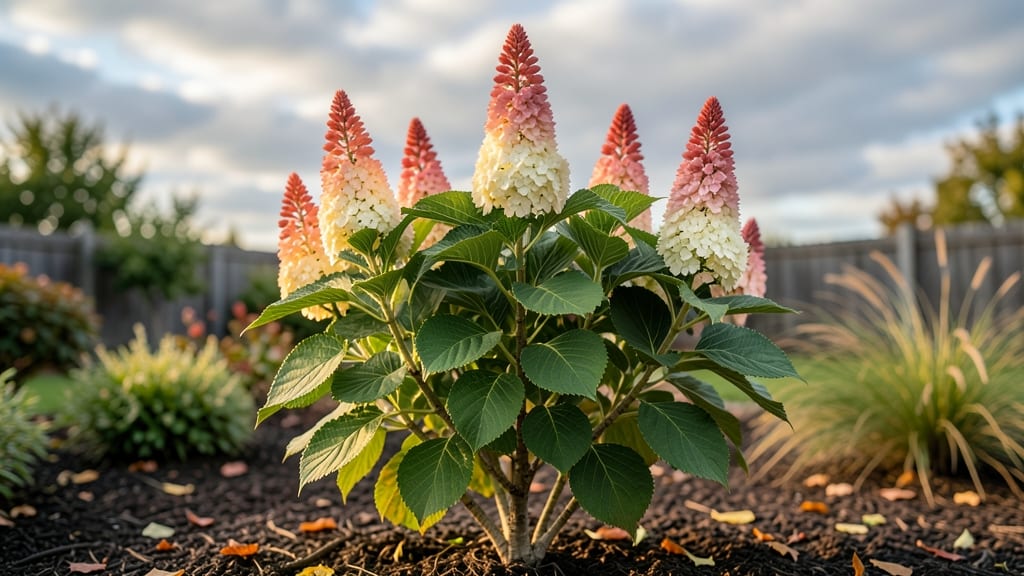
Pruning your Pee Gee tree hydrangea transforms it from a wild shrub into a showstopping architectural focal point every season. 🌿 I’ve watched mine go from scraggly to neatly tiered in just three cuts—no green thumb required, just the right timing and technique.
The key is pruning twice a year: once in late winter to shape the framework, and again in summer to encourage those iconic cone-shaped blooms. Most gardeners overlook the summer trim, which is why their hydrangeas look sparse by fall.
I’ll show you exactly where to cut for maximum flowers without sacrificing next year’s growth.
By the end, you’ll have a hydrangea that blooms later into fall, resists flopping, and stays disease-free—all while looking like a pro designed it. The best part? This method works whether you’re in Zone 4’s harsh winters or Zone 9’s mild climate.
Ready to make your Pee Gee hydrangea the neighborhood envy? Let’s get those pruners sharp—this is where the magic happens.
📚 In This Guide
- What you need
- Instructions
- Tips and common mistakes
- Wrapping up and next steps
What you need
- ● Pruning shears: Bypass pruners (sharp, clean, and sterilized with rubbing alcohol to prevent disease). Size: 6–8 inches for medium branches.
- ● Loppers: For thicker stems (½–1½ inches in diameter). Look for: Ratcheting or bypass style for precision.
- ● Hand pruners: For small twigs and fine adjustments. Quantity: 1 pair (keep them sharp!).
- ● Disposable gloves: Heavy-duty nitrile or leather (to protect from thorns and sap). Quantity: 1–2 pairs.
- ○ Pruning saw: Optional, but handy for thick, woody branches (3+ inches). Type: Curved blade for clean cuts.
- ● Rubbing alcohol (70% or higher): For sterilizing tools between cuts. Quantity: Small bottle (4 oz).
- ○ Sealing wax or pruning paint: Optional, for sealing large cuts (1–2 inches wide) to prevent disease. Color: Match your garden aesthetic!
- ● Weather check: Prune on a dry, overcast day (avoid midday sun to reduce stress on the plant).
- ● Safety gear: Safety glasses (if dealing with large branches) and long sleeves (hydrangea thorns are sneaky!).
- ● Cleanup supplies: Heavy-duty trash bags (2–3) for debris.
- ● Garden hose or bucket of water (to rinse tools and clean up sap).
- ● Reference materials: Printed pruning guide or this article (for quick tips while you work!).
- ● Extension pole: For high branches (10–15 feet). Tip: Attach loppers or a pruning saw for easy reach!
- ● Plant food: Balanced fertilizer (10-10-10) to revitalize the hydrangea post-pruning. Apply: 4–6 weeks after trimming.
- ● Mulch: Shredded bark or wood chips (2–3 inches deep) to protect roots and retain moisture.
- ● Camera or sketchbook: To document your pruning progress (because before-and-after shots are satisfying!).
Step-by-step pruning guide for Pee Gee tree hydrangea
Transform your Pee Gee hydrangea into a showstopper with these precise shaping techniques—timed perfectly for maximum blooms.
🌿 Step 1: Understand the Pruning Cycle
Pee Gee hydrangeas bloom on old wood, meaning last year's growth produces this year's flowers. The key is to shape the tree in late winter or early spring before buds swell (February-March in most climates). Wait until after the last hard frost when new growth is visible but hasn't broken dormancy yet.
Here's the thing—if you prune too early, you risk cutting off flower buds before they open. If you wait too late, you encourage leggy growth. Look for tight, swollen buds along the branches; those are your signal to start. I always prune on a dry day when temperatures are above 40°F to reduce stress on the plant.
✂️ Step 2: Remove Dead and Weak Growth
Start by cutting out any dead, diseased, or crossing branches first. Use clean, sharp pruning shears to make 45-degree cuts just above a bud or lateral branch. I like to work from the bottom up, removing larger branches first so I can see the tree's structure more clearly as I progress.
Watch for branches that grow inward or rub against each other—these will eventually damage the bark and invite pests. You'll know you're on the right track when the tree's center opens up, allowing better airflow and sunlight penetration. Never remove more than 25% of the tree's total growth in one session, or you risk shocking the plant.
🌱 Step 3: Shape the Tree's Structure
Next, focus on shaping the tree's overall form. Pee Gee hydrangeas naturally grow into a rounded shape, so aim to maintain that silhouette. Start by identifying the main scaffold branches—these are the largest, sturdiest branches that form the tree's framework. Remove any branches that grow at sharp angles (less than 45 degrees) from the trunk or main branches, as these are more likely to break.
For height control, cut back the tallest branches by one-third to encourage bushier growth. Make your cuts just above a bud that faces outward—this ensures new growth will fill in the tree's shape rather than growing inward. Step back frequently to check your progress; you're looking for a balanced, open structure that lets sunlight reach all parts of the tree.
☀️ Step 4: Encourage Future Blooms
After shaping, give the tree a light trim to remove any overly long or leggy branches. Cut these back by half their length to stimulate denser growth. Avoid cutting into the wood's center—this is where next year's flower buds form. Instead, make your cuts just outside the outer ring of buds to preserve as many potential blooms as possible.
This is the moment that matters: after pruning, the tree should look like it has a balanced, open canopy with plenty of room for new growth. Water deeply right after pruning to help the tree recover. You'll see new shoots emerging from the buds within 4-6 weeks, and by next season, your hydrangea will reward you with even more lush, abundant blooms.
⏰ Step 5: Maintain Through the Growing Season
During the growing season, do minimal pruning—just remove any deadheading spent blooms to encourage more flowers. Avoid heavy pruning after June, as this can reduce next year's blooms. I also recommend fertilizing lightly in early spring with a balanced, slow-release fertilizer to support new growth.
Keep an eye out for any branches that grow out of balance or start to look crowded. A quick trim with hand pruners can keep the tree looking its best. By late fall, let the tree go dormant naturally—no need for additional pruning until next winter. The more you prune now, the easier shaping will be in future years.
Tips & tricks for perfect Pee Gee tree hydrangea pruning
These pro-level insights will help you transform your hydrangea into a blooming masterpiece with minimal stress.
Timing is Everything: The February-March window is critical because Pee Gee hydrangeas bloom on old wood. I've learned this the hard way—pruning too early can remove next year's flower buds before they open, while waiting too late encourages leggy, weak growth. Look for those tight, swollen buds as your green light to start. And remember: always prune on a dry day when temperatures stay above 40°F to prevent shock.
The 25% Rule: Never remove more than 25% of the tree's total growth in one session, or you risk shocking the plant. This is especially important for mature trees—think of it as a haircut rule: you wouldn't cut off a third of your hair in one visit, would you? I've seen gardeners over-prune and end up with stressed plants that struggle to rebound. When in doubt, err on the side of caution and leave more than you think you need.
Cutting Technique Matters: Those 45-degree cuts aren't just for show—they help water run off properly and prevent disease. Make sure your pruning shears are clean and sharp to avoid tearing the bark. I always work from the bottom up, removing larger branches first so I can see the tree's structure more clearly. And here's a pro tip: when cutting back branches, always make your cuts just above a bud that faces outward. This ensures new growth will fill in the tree's shape rather than growing inward.
Post-Pruning Care: After you've finished shaping, water deeply to help the tree recover. You'll notice new shoots emerging from the buds within 4-6 weeks, and by next season, your hydrangea will reward you with even more lush, abundant blooms. I also recommend applying a balanced, slow-release fertilizer in early spring to support new growth. This is the moment that matters—proper aftercare makes all the difference in how well your tree responds.
Pro Tips for Pee Gee Tree Hydrangea
- These pro-level insights will help you transform your hydrangea into a blooming masterpiece with minimal stress.
- Timing is Everything: The February-March window is critical because Pee Gee hydrangeas bloom on old wood.
- The 25% Rule: Never remove more than 25% of the tree's total growth in one session, or you risk shocking the plant.
Frequently asked questions
Got questions about keeping your Pee Gee Tree Hydrangea looking its best? You’re not alone! Here are answers to the most common queries—from pruning timing to troubleshooting—so you can enjoy those stunning blooms all year round.
When is the best time to prune my Pee Gee Tree Hydrangea?
The ideal time to prune is late winter or early spring (before new growth starts). This ensures you don’t accidentally cut off next year’s blooms, which form on old wood. Avoid pruning in fall, as it can stimulate tender growth that won’t survive winter. For light shaping, you can also prune right after flowering to tidy up without harming future blooms.
Can I prune my hydrangea in winter? What if it’s already dormant?
Yes, but only if the plant is fully dormant (no green leaves or buds). Prune in late winter (February–March in most climates) when temperatures are above freezing. Avoid heavy pruning in extreme cold—wait until the last frost. If you miss the window, a light trim in early spring is better than nothing!
My Pee Gee Hydrangea isn’t blooming—did I prune too much?
If you’ve cut back more than 1/3 of the plant or pruned in fall/winter, you may have removed next year’s flower buds. These hydrangeas bloom on old wood, so avoid drastic cuts. For future blooms, stick to selective pruning—remove only dead, diseased, or crossing branches. Patience pays off; it may take a season or two to rebound!
How do I shape my Pee Gee Tree Hydrangea without ruining its natural form?
Start by thinning out crowded branches to improve airflow and light penetration. Use hand pruners for small cuts and loppers for thicker stems. Step back often to check your work—aim for an open, vase-like shape that mimics its natural growth. Avoid topping (cutting back to a flat top), which encourages weak growth.
Are there alternatives to Pee Gee Hydrangeas for easier pruning?
If you want low-maintenance blooms, consider these hydrangea types that bloom on new wood (so they’re more forgiving with pruning):
- Panicle Hydrangeas (e.g., ‘Limelight’ or ‘Little Lime’) – Prune in late winter/early spring.
- Smooth Hydrangeas (e.g., ‘Annabelle’) – Can be pruned back hard in early spring.
- Oakleaf Hydrangeas – Also bloom on old wood but are more drought-tolerant.
What should I do if my hydrangea has brown or mushy stems after pruning?
Brown/mushy stems often signal bacterial or fungal infection (like bacterial wilt or powdery mildew). To prevent spread:
- Sterilize tools with rubbing alcohol before/after cuts.
- Remove infected stems all the way back to healthy wood.
- Improve airflow by thinning foliage.
- Avoid overhead watering.
Wrapping up and next steps
Mastering the art of Pee Gee Tree Hydrangea pruning is your ticket to showstopping blooms year after year! 🌸 With the right tools, timing, and techniques—like deadheading, shaping, and seasonal trims—you’ll keep your hydrangea thriving and lush.
Remember, patience and consistency are key; your efforts will pay off in vibrant, full foliage and abundant flowers.
Ready to transform your garden? Grab your pruners and start small—try one section at a time. Check out our pruning calendar to stay on track and watch your Pee Gee Tree Hydrangea shine brighter than ever!