
Pruning
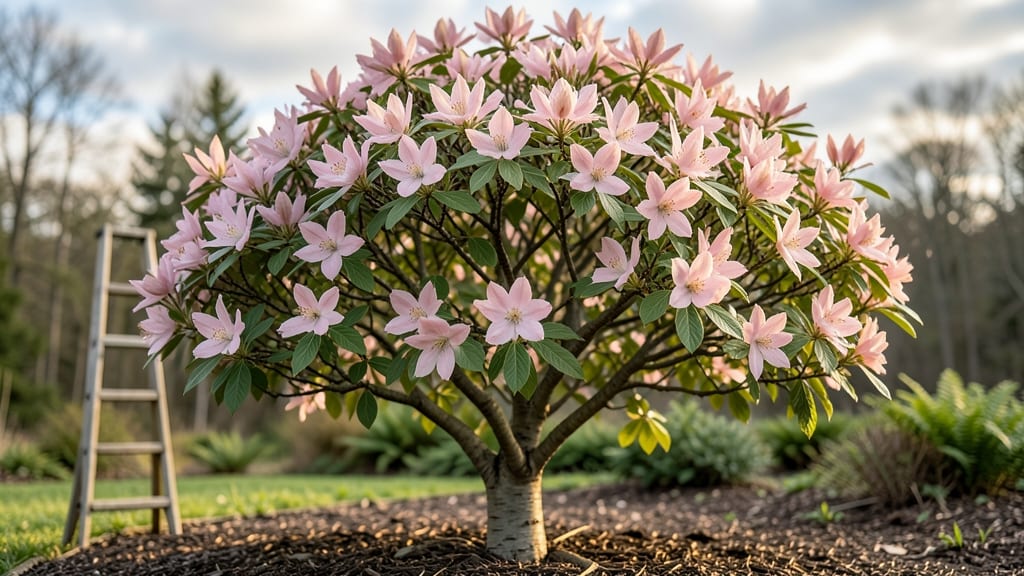
Pink dogwood trees (Cornus florida) can grow anywhere from 15 to 30 feet tall, but their mature height depends entirely on where you plant them. 🌿 I’ve seen them tower over my backyard in full sun, while others in shadier spots stay compact and bushy—both stunning in their own way.
The key to controlling their height lies in understanding their growth habits and giving them the right conditions from the start.
These trees grow about 12 to 24 inches per year when young, with the fastest growth happening in the first decade. Varieties like ‘Cherokee Brave’ stay shorter (15-20 feet), while ‘Rubra’ can reach the upper end of that range.
Sunlight and soil quality make all the difference—too much shade slows growth, while rich, well-draining soil helps them reach their full potential. Pruning in late winter or early spring keeps them manageable without sacrificing those iconic pink blooms.
With the right care, you’ll end up with a tree that fits your space perfectly—whether that’s a 20-foot centerpiece or a smaller, more manageable height. The blooms arrive in spring, the foliage turns fiery red in fall, and the structure provides year-round interest.
Just avoid heavy pruning after mid-summer, or you’ll risk cutting off next year’s flowers.
Common questions about height often come down to variety and site conditions. Most dogwoods reach 70-80% of their mature height within 5-7 years, so patience pays off. If you’re working with limited space, choose a dwarf variety or prune strategically to keep it in check—without sacrificing beauty.
📚 In This Guide
- What you need
- Instructions
- Tips and common mistakes
- Wrapping up and next steps
What you need
- ● Pruning shears: Sharp, bypass-style shears (for cuts under ½ inch thick). Pro tip: Clean blades with rubbing alcohol between cuts to prevent disease spread! 💡
- ● Loppers: 1 pair (for branches ½–1½ inches thick). Look for ratcheting or bypass types for precision.
- ● Pruning saw: 1 handheld saw (for branches >1½ inches thick). A bow saw or curved blade works best.
- ● Gloves: 1 pair of cut-resistant gardening gloves (to protect from thorns and sap).
- ○ Disinfectant: 1 bottle of 70% isopropyl alcohol or a pruning sealant (optional but recommended).
- ● Ladder or step stool: 1 sturdy, non-slip ladder (extendable to 10+ feet for mature trees). ⚠️ Safety first: Always have a spotter!
- ● Research: Confirm your dogwood’s mature height (typically 15–25 feet, but varies by cultivar like ‘Cherokee Brave’ or ‘Pink Icing’).
- ● Weather check: Prune on a dry, overcast day (avoid wind or rain). Early spring (just after blooms) is ideal!
- ● Safety gear: Safety glasses (1 pair) and ear protection (if using a chainsaw for large branches—not recommended for dogwoods).
- ● Cleanup supplies: 1 heavy-duty trash bag (for debris)
- ● 1 rake or leaf blower (to clear fallen branches)
- ● Pruning paint: For sealing cuts larger than ½ inch (helps prevent disease).
- ● Tree wrap: If your tree has sunburn-prone bark (common in young dogwoods).
- ● Camera or sketchbook: To document your tree’s shape before/after pruning!
- ● Fertilizer: Balanced, slow-release fertilizer (10-10-10) post-pruning to boost recovery.
How to manage pink dogwood tree height through pruning and growth zones
Here's how to keep your pink dogwood's height in check while preserving its stunning blooms and health.
🌿 Step 1: Understand Mature Height Ranges by Cultivar
Pink dogwoods (Cornus florida 'Rubra') typically mature between 15-25 feet tall, but specific cultivars vary significantly. 'Cherokee Brave' stays compact at 10-15 feet, while 'Hot Chocolate' can reach 25-30 feet. Check your tree's tag or consult your nursery notes—this determines your pruning strategy.
Here's the thing: dogwoods grow 3-6 feet per year when young, then slow to 1-2 feet annually after maturity. If your tree already exceeds your desired height, you're working with a mature specimen that needs structured pruning rather than aggressive cutting. Never remove more than 25% of the canopy in a single season—this stresses the tree and reduces flowering.
✂️ Step 2: Prune at the Right Time for Height Control
Prune immediately after flowering (late spring) to avoid cutting next year's blooms, which form on old wood. Use clean, sharp pruners to make cuts just above outward-facing buds at a 45-degree angle. This encourages bushier growth rather than vertical elongation.
For height reduction, focus on removing suckers (shoots at the base) and water sprouts (vertical shoots in the canopy). These compete with the main trunk and force upward growth. Thin the canopy by selectively removing branches from the top—never cut back more than one-third of any branch's length in a single cut.
☀️ Step 3: Adjust Light and Soil for Slower Vertical Growth
Dogwoods grow faster in full sun (6+ hours daily), but partial shade (morning sun + afternoon shade) slows height increase by 20-30%. If your tree is already too tall, move it to a slightly shaded spot where it receives 4-6 hours of filtered light. This reduces vigor without sacrificing blooms.
Amend the soil with 2-3 inches of organic mulch (like shredded bark) to retain moisture and regulate root temperature. Dogwoods hate dry soil—consistent moisture (but never soggy) keeps growth steady rather than explosive. Test soil pH: dogwoods thrive in slightly acidic soil (pH 5.5-6.5). If your soil is alkaline, add sulfur or peat moss to lower the pH gradually.
⏰ Step 4: Monitor Growth and Prune Annually
Measure your tree's height annually in early spring before new growth begins. If it exceeds your target by more than 1 foot, plan a light pruning session after flowering. Mark branches for removal with white twine—this helps visualize the final shape before cutting.
Watch for epicormic branches (small shoots along the trunk). These indicate the tree is stressed and trying to produce new leaders. Remove them promptly—they signal poor pruning decisions in previous years. A well-pruned dogwood should have open, airy branches with no dense clusters at the top.
🌱 Step 5: Prevent Height Growth Through Root Management
Dogwood roots spread 2-3 times the canopy width, so avoid compacting soil around the base with heavy foot traffic or machinery. Instead, aerate the soil annually with a manual aerator or by gently forking the top 6 inches of soil in a 12-inch radius around the trunk.
If your tree is planted in a container or small bed, its roots will naturally grow slower. For ground-planted trees, install a root barrier (like hardware cloth) if height control is critical. Bury it 18-24 inches deep and 2 feet from the trunk—this redirects root growth horizontally rather than vertically.
Tips & tricks for managing pink dogwood tree height
These practical strategies will help you maintain your dogwood's ideal height while keeping it healthy and flowering beautifully.
Cultivar-Specific Pruning: Always check your dogwood's cultivar before pruning—'Cherokee Brave' needs less aggressive height control than 'Hot Chocolate'. For example, if you have a 'Cherokee Brave' already at 12 feet, focus on removing just the vertical water sprouts rather than making drastic cuts. The key is to work with your tree's natural growth patterns rather than against them.
Pruning Technique Precision: When making cuts in Step 2, aim for just above outward-facing buds at a 45-degree angle. This isn't just about aesthetics—it's how you encourage lateral branching. I've seen dogwoods that were pruned incorrectly develop dense clusters at the top, which actually accelerates vertical growth. Use a sharp pruner and make clean cuts to prevent tearing the bark.
Light Management Strategy: The 4-6 hours of filtered light mentioned in Step 3 is your secret weapon for controlling height. If your tree is already too tall, consider adding a sheer curtain on the south side during peak summer hours. This creates a natural shade effect without completely blocking light. Dogwoods are adaptable—they'll slow their vertical growth while still producing vibrant blooms.
Root Aeration Timing: Don't wait until your dogwood is already overgrown to aerate the roots. Make this an annual spring ritual, right after your early spring height measurement. The 6-inch depth and 12-inch radius mentioned in Step 5 aren't arbitrary—they match the typical root spread of a mature dogwood. This simple maintenance prevents soil compaction that would otherwise encourage upward growth.
Pro Tips for Pink Dogwood Tree Height
- These practical strategies will help you maintain your dogwood's ideal height while keeping it healthy and flowering beautifully.
- Cultivar-Specific Pruning: Always check your dogwood's cultivar before pruning—'Cherokee Brave' needs less aggressive height control than 'Hot Chocolate'.
- Pruning Technique Precision: When making cuts in Step 2, aim for just above outward-facing buds at a 45-degree angle.
Frequently asked questions
Got questions about your pink dogwood’s height? You’re not alone! Here are answers to the most common concerns—from growth expectations to pruning puzzles.
How tall does a pink dogwood tree typically grow at maturity?
A healthy pink dogwood (Cornus florida) usually reaches 15–25 feet tall at maturity, though some dwarf varieties stay under 10 feet. Height depends on cultivar, soil quality, and sunlight. In ideal conditions, expect 1–2 feet of growth per year during its first decade.
Can I trim a pink dogwood to control its height?
Yes, but timing is critical! Prune after flowering (late spring/early summer) to avoid cutting off next year’s blooms. Never remove more than 25% of the canopy in one season—over-pruning stresses the tree. Use sharp tools and sterilize cuts to prevent disease.
How long does it take for a pink dogwood to reach full height?
Most pink dogwoods take 10–15 years to reach their mature height, though growth slows after the first 5 years. Young trees focus energy on root development, so patience is key! Mulch and water deeply during dry spells to encourage steady growth.
Are there shorter pink dogwood varieties for small yards?
Consider these compact options:
- ‘Rubra’: 12–15 feet tall, classic pink blooms.
- ‘Cherokee Brave’: 6–8 feet, disease-resistant.
- ‘Stella Compacta’: 4–6 feet, perfect for containers.
Why is my pink dogwood growing unevenly or leaning?
Uneven growth often signals root competition (e.g., nearby trees or structures) or poor sunlight. Leaning may mean it’s reaching for light—transplant young trees to full sun (6+ hours/day) and stake them if needed. Yellow leaves? Check for fungal issues (like powdery mildew) or overwatering.
Wrapping up and next steps
Understanding the pink dogwood tree height—typically reaching 20 to 35 feet at maturity—helps you nurture a stunning, healthy specimen while respecting its natural growth zones.
Whether you’re planning for shade, pruning for safety, or simply admiring its spring blooms, a little care goes a long way! 🌸 Now’s the perfect time to schedule a pruning session (early spring or late winter) or research local climate adjustments to keep your tree thriving for decades.