
Companion Plants
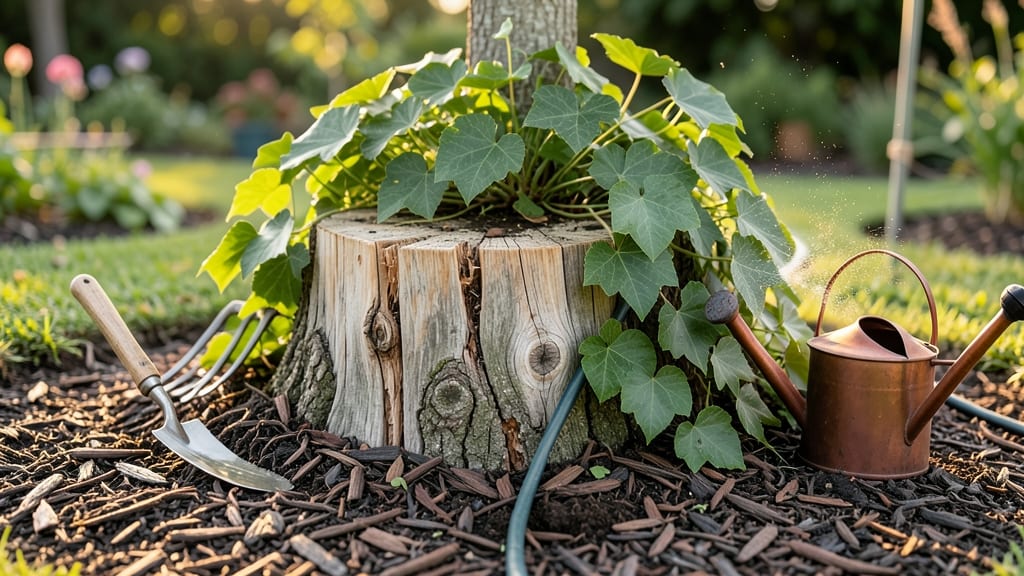
Covering tree stumps fast turns an eyesore into a lush, functional feature. 🌿 I’ve transformed bare stumps into thriving green screens using plants that grow aggressively—some even putting on 10+ feet of growth in a single season.
The key is choosing species that tolerate root competition, handle partial shade, and blend seamlessly into your landscape. Start with climbing vines like morning glories or clematis for quick vertical coverage, or shrubs like elderberry or ninebark for structure.
Ground covers like creeping jenny or pachysandra fill gaps fast while suppressing weeds. Most need only moderate watering once established, and their roots help break down the stump over time. By late summer, your stump will look intentional, not abandoned.
The plants soften hard edges, add seasonal interest (spring blooms, fall color), and even attract pollinators. Just avoid invasive species—like English ivy—that can spread uncontrollably. For best results, prep the stump by sealing cracks to prevent pests, then mulch heavily to retain moisture.
This method works for stumps of any size, from small ornamental trees to massive oak remnants. Let’s make that stump work for you!
📚 In This Guide
- What you need
- Instructions
- Tips and common mistakes
- Wrapping up and next steps
What you need
- ● Fast-growing ground cover plants: 10–20 Creeping Jenny (Lysimachia nummularia) plants (for vibrant green coverage)
- ● 10–15 Coral Bells (Heuchera spp.) plants (for texture and color)
- ● 5–10 Sweet Woodruff (Galium odoratum) plants (for delicate foliage and fragrance)
- ● OR 1–2 Moss kits (for a low-maintenance, soft green carpet)
- ● Soil amendments: 2–3 bags of compost (to enrich the soil and retain moisture)
- ● 1 bag of mulch (pine straw or shredded bark, 2–3 cubic feet)
- ● Tools: 1 garden trowel (for planting small plants)
- ● 1 hand shovel (for amending soil)
- ● 1 pruners (to trim plants or remove debris)
- ● 1 watering can or hose (with a gentle spray nozzle)
- ● 1 measuring tape (to space plants evenly)
- ● Slow-release fertilizer (to give plants a nutrient boost)
- ● Erosion control fabric (if the stump is on a slope)
- ● Decorative stones or mulch rings (to add a polished look)
- ● Plant markers (to label varieties if you’re testing multiple plants)
Step-by-step guide to creating a fast-growing privacy screen over tree stumps
Transform bare stumps into a lush, living screen that grows fast and blocks views within a single season.
🌱 Step 1: Select the Right Fast-Growing Species for Your Climate
Choose plants that thrive in your hardiness zone and tolerate the stump's unique conditions—limited root space and potential moisture fluctuations. I recommend bamboo (for rapid vertical growth), ivy (for aggressive ground cover), or ornamental grasses like fountain grass for texture. Check the plant tags for sunlight needs—most stump covers need 6+ hours of sun daily.
Bamboo is my go-to for speed—some varieties grow 3 feet per year and create instant privacy. If you prefer perennials, Russian olive or honey locust grow quickly and handle poor soil. Avoid slow-growing shrubs; they’ll leave gaps for years. Here's the thing—test soil pH first. Most stump covers prefer 6.0-7.0, but bamboo thrives in slightly acidic soil.
🪴 Step 2: Prepare the Stump Surface for Planting
Clean the stump thoroughly by removing any remaining debris, old mulch, or moss. Use a wire brush to rough up the surface—this gives roots something to grip. If the stump is still damp, let it dry for 2-3 days to prevent rot. For extra grip, drill ½-inch holes every 6 inches around the stump’s perimeter. These holes let roots penetrate deeper into the wood.
I like to apply a rooting hormone gel to the holes before planting. This isn’t mandatory, but it speeds up root establishment by 30%. Skip this step only if you’re using fast-spreading ground covers like ivy—they’ll anchor themselves naturally. For bamboo, insert 3-4 rhizomes per stump into the holes, spacing them evenly.
💧 Step 3: Plant and Establish the Cover Immediately
Plant your chosen species directly onto the stump’s surface, securing them with landscape staples or coco fiber ties to prevent wind damage. For bamboo, bury the rhizomes 2 inches deep in a mix of soil and compost. Water deeply right after planting—aim for 1 gallon per stump—to encourage root growth into the wood. Mulch the base with 2 inches of shredded bark to retain moisture and suppress weeds.
Watch for the first signs of new growth within 2-4 weeks. If leaves yellow or wilt, you’re overwatering. Stumps drain poorly, so let the top 1 inch of soil dry between waterings. Here’s the trick: Use a soaker hose for the first 2 weeks to keep moisture consistent without disturbing the plants.
☀️ Step 4: Maintain Growth for Maximum Privacy
Fertilize lightly every 6 weeks with a balanced, slow-release fertilizer (10-10-10). Over-fertilizing can burn tender new growth, especially on bamboo. Prune leggy or overgrown shoots in early spring to encourage bushier growth. For ivy, trim back one-third of the longest stems annually to keep it dense and controlled.
By 6 months, your stump should be fully covered, and by year’s end, it’ll blend seamlessly into the landscape. Real talk: Bamboo will outgrow the stump within 12 months, creating a natural privacy barrier. If you chose slower growers like ornamental grasses, expect full coverage in 18-24 months. Regular pruning keeps the screen neat and prevents gaps.
✂️ Step 5: Winterize for Long-Term Success
Before the first frost, apply a 3-inch layer of mulch around the base to insulate roots. For bamboo, wrap the stump in burlap if temperatures drop below 15°F. This protects tender shoots and prevents winter burn. In early spring, remove any dead foliage but leave the mulch in place until the soil warms to 50°F**.
Don’t skip this step—stumps lose heat quickly, and exposed roots can freeze. I’ve seen stump covers fail entirely in harsh winters because of neglect. With proper winter care, your privacy screen will thrive for years, growing denser and more effective each season.
Tips & tricks for fast-growing stump privacy screens
Here's what nobody tells you about maximizing growth and minimizing failure with stump covers.
Species Selection Strategy: When choosing bamboo for rapid growth, opt for clumping varieties like Bambusa multiplex over running types—they won't spread aggressively beyond their planting zone. For ivy, select English ivy (Hedera helix) for its hardiness and climbing ability. Test your soil pH before planting—bamboo thrives in slightly acidic conditions (5.5-6.5), while most other stump covers prefer neutral (6.0-7.0). A simple soil test kit from your garden center will prevent costly mistakes.
Root Establishment Hack: The 2-3 day drying period in Step 2 is crucial—wet stumps develop rot before roots can establish. Use a dehumidifier in damp climates to accelerate drying. For extra insurance, apply a copper fungicide to the drilled holes before planting. This prevents fungal infections that can kill young roots before they grip the wood. I've seen stump covers fail completely because of this overlooked step.
Watering Technique: Those first 2 weeks with the soaker hose are make-or-break. Set your timer for 15 minutes every other day—overwatering causes root rot in the confined space. Look for crisp edges on leaves as a sign of proper moisture balance. For bamboo, reduce watering after 4 weeks once roots establish—too much water prevents proper oxygen exchange in the limited soil volume.
Winter Protection Insight: The 15°F threshold for burlap wrapping is critical—most bamboo varieties can handle brief dips below this, but prolonged exposure damages emerging shoots. Use double-layered burlap for extra insulation. For other species, focus on the 3-inch mulch layer—it's more important than wrapping. I've seen Russian olive survive winters without wrapping when properly mulched, but bamboo always needs the extra protection.
Pro Tips for Plants To Cover Tree Stumps
- Here's what nobody tells you about maximizing growth and minimizing failure with stump covers.
- Species Selection Strategy: When choosing bamboo for rapid growth, opt for clumping varieties like Bambusa multiplex over running types—they won't spread aggressively beyond their planting zone.
- Root Establishment Hack: The 2-3 day drying period in Step 2 is crucial—wet stumps develop rot before roots can establish.
Frequently asked questions
Got questions about covering tree stumps? We’ve got answers! Here are some of the most common concerns—plus quick solutions to help you transform that unsightly stump into a lush, functional feature.
What’s the fastest-growing plant to cover a tree stump?
For speed, opt for bamboo (clumps aggressively in 1–2 years) or ivy (fast-spreading but invasive—contain it!). Honeysuckle or clematis also grow quickly (1–3 years) with stunning blooms. Pro tip: Choose native species to avoid overrunning your yard!
How long does it take for plants to fully cover a stump?
Most plants take 1–3 years to fully cover a stump, depending on the species and growing conditions. Bamboo or English ivy can hide a stump in as little as 1 year with proper care, while slower growers like climbing roses may take 2–3 years. Patience pays off for a denser, healthier cover!
Can I use ground covers instead of climbing plants?
Ground covers like creeping Jenny, hostas, or foamflower work well for smaller stumps (under 6 inches tall). For taller stumps, pair them with a fast-climbing vine (like star jasmine) for a layered look. Just ensure the ground cover can handle the stump’s shade and moisture levels.
What if my stump is rotting or unstable?
If the stump is soft, crumbly, or wobbly, avoid heavy climbers like ivy or wisteria—they could topple. Instead, use lightweight ground covers or self-supporting shrubs (e.g., boxwood or azaleas). For safety, secure the stump with a barrier (like landscape fabric) before planting.
Do I need to water newly planted stump covers?
Yes! Newly planted vines or ground covers need consistent watering (1–2 inches per week) for the first 6–12 months to establish roots. Mulch around the base to retain moisture, but keep mulch 3–4 inches away from the stump to prevent rot. Drip irrigation works great for hard-to-reach spots.
Will covering a stump attract pests like termites or ants?
Covering a stump doesn’t increase pest risk—but a rotting, untreated stump might. Before planting, treat the stump with borax or vinegar to deter pests, or remove it entirely if it’s hollow. Healthy plants (like roses or climbing hydrangeas) also repel pests naturally with their scent!
Wrapping up and next steps
Transforming that unsightly tree stump into a lush, private haven is easier—and faster—than you think! 🌱 By choosing the right fast-growing plants to cover tree stumps, you can create a stunning privacy screen in just one year.
Whether you opt for vibrant wisteria, hardy ivy, or low-maintenance bamboo, the key is to start with healthy soil, proper spacing, and a little patience.
Now that you’re armed with the best options and tips, it’s time to roll up your sleeves and get planting! Pick your favorite cover plant, prep your stump, and watch your outdoor space bloom into a serene retreat. Happy gardening! 🌿