
Flowers
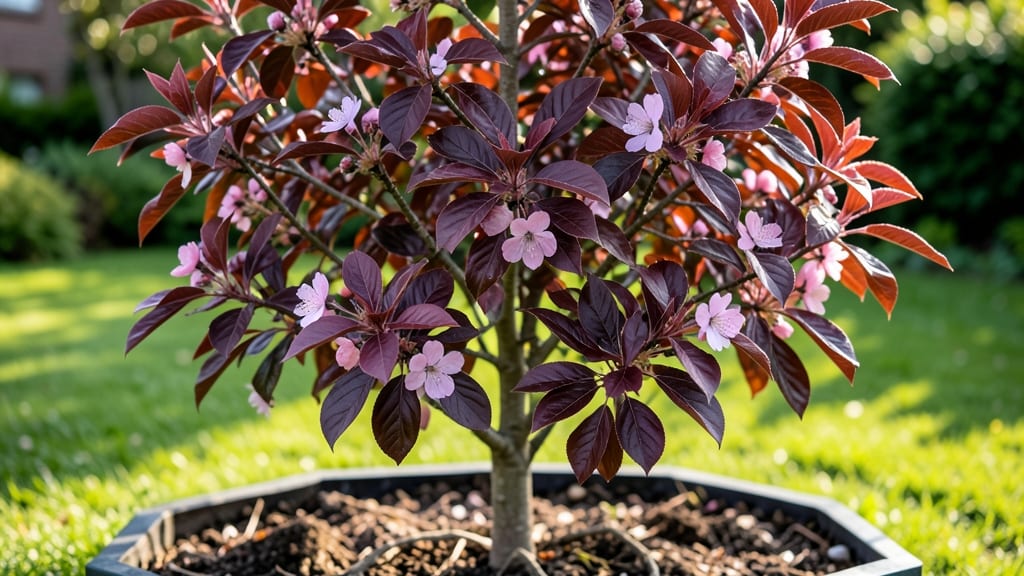
Purple leaf plum trees burst into vibrant spring blooms that outshine most ornamental trees—yet they’re shockingly hardy through zones 5-9. 🌸 I planted mine last fall, and by April, the branches were heavy with clusters of pink-white flowers against deep purple foliage that lasts all summer.
The secret to those showstopping blooms isn’t complicated, but it does require timing, soil prep, and a few pruning tricks most gardeners overlook.
You’ll need full sun (at least 6 hours daily), well-draining soil, and patience—these trees take 2-3 years to really hit their stride. My first mistake was planting in heavy clay; amending with compost and a handful of bone meal made all the difference.
The flowers arrive early, often before leaves emerge, which means they’re a magnet for pollinators like bees and butterflies from the get-go. Just don’t let the fruit form if you’re growing it purely for ornament—those tiny plums can be messy.
By late summer, your tree will reward you with bold foliage that transitions from purple to burgundy, then fiery red in fall.
Prune in late winter to shape the tree and remove dead wood, but avoid heavy cuts—purple leaf plums bloom on old wood, so aggressive pruning can reduce next year’s flowers. The payoff?
A tree that’s low-maintenance yet high-impact, perfect for small yards, urban landscapes, or as a striking focal point near patios.
Here’s the kicker: these trees handle drought once established, and their disease resistance beats most ornamental plums. I’ve seen mine shrug off late frosts and still burst into bloom—just don’t plant them where kids or pets might snack on the fruit.
Ready to add a four-season stunner to your garden? Let’s get growing.
📚 In This Guide
- What you need
- Instructions
- Tips and common mistakes
- Wrapping up and next steps
What you need
- ● Purple leaf plum tree (bare-root or container-grown): 1-3 trees (depending on desired spacing—15-20 feet apart for mature size)
- ● Choose Prunus cerasifera 'Atropurpurea' for classic purple foliage and pink/purple blooms
- ● Well-draining soil (amend with): 2-3 bags compost (per planting hole)
- ● 1-2 cups perlite or sand (to improve drainage)
- ● Organic mulch (2-3 inches): Shredded bark, wood chips, or straw
- ● Shovel or trowel (for digging)
- ● Garden gloves (to protect your hands)
- ● Watering can or hose (with gentle spray nozzle)
- ● Pruners (sterilized, for trimming)
- ○ Optional: Soil pH test kit (ideal range: 6.0-7.0)
- ○ Optional: Tree stakes + ties (if planting in windy areas)
- ● Full sun location (6+ hours of sunlight daily)
- ● Cold-hardy zone (5-9)—no extra protection needed!
- ● Space for mature size (15-25 feet wide, 15-20 feet tall)
- ○ Optional: Drip irrigation system (for consistent moisture)
Step-by-step guide to encouraging stunning purple leaf plum tree flowers
Here's how to coax vibrant blooms from your cold-hardy purple leaf plum—no fancy tricks, just proven care.
🌱 Step 1: Prune for Light and Airflow in Late Winter
Start your tree's flowering journey by pruning 3-4 weeks before your last frost date, when the tree is still dormant. Remove any dead, crossing, or diseased branches first—they sap energy that could fuel blooms. I cut back to outward-facing buds to open up the canopy, which lets sunlight penetrate to the inner branches where flowers form.
Thin out crowded areas so air circulates freely. You'll see new growth emerge from those pruned spots by spring, and those are prime locations for flower buds. Never remove more than 25% of the tree's foliage in one season—this keeps the tree strong enough to support heavy blooms later.
☀️ Step 2: Position for Maximum Sun Exposure
Purple leaf plums need full sun (6-8 hours daily) to produce their signature vibrant flowers. If your tree isn't getting enough light, you'll see fewer blooms and more foliage growth. I always check the sun path across my yard before planting—even a few hours of afternoon shade can reduce flowering dramatically.
If you're working with an established tree, consider thinning nearby trees or structures that might be casting shade. The south or west side of your property typically gets the most consistent sunlight. Watch for leaves that turn pale yellow—this is your tree's way of saying, "I need more light to make those flowers."
💧 Step 3: Water Deeply During Critical Growth Stages
Water your purple leaf plum deeply once a week during the growing season, delivering 1-1.5 gallons per inch of trunk diameter. The key is getting moisture down to the root zone where flower buds form. I use a soaker hose to avoid wetting the leaves, which helps prevent fungal diseases that can stress the tree.
Pay special attention to watering when buds begin to swell in early spring—that's when the tree needs consistent moisture to develop healthy blooms. Let the top 2-3 inches of soil dry out between waterings to encourage deep root growth. Overwatering now leads to weak stems and fewer flowers later.
✂️ Step 4: Fertilize Strategically in Early Spring
Apply a balanced 10-10-10 fertilizer in early spring when new growth begins, scattering granules evenly under the tree's drip line. I use about ½ pound per inch of trunk diameter—too much fertilizer produces lush foliage at the expense of flowers. Water the area thoroughly after applying to help nutrients reach the roots.
Follow up with a low-nitrogen, high-phosphorus fertilizer (5-10-10) when flower buds first appear in late winter. This shift encourages blooming over leafy growth. I always check the soil pH first—purple leaf plums prefer slightly acidic soil (pH 6.0-6.5). If your soil is alkaline, amend with sulfur to create the right conditions for vibrant flowers.
🌿 Step 5: Protect Flowers from Late Frosts
Cover blooming branches with frost cloth when nighttime temperatures dip below 32°F after buds have opened. I've seen entire flower clusters damaged by late frosts, and it's heartbreaking after all that preparation. The cloth lets sunlight through while trapping enough heat to protect delicate blossoms.
Remove the cover during the day to allow pollinators access. You'll notice bees and butterflies visiting more vigorously when flowers are protected this way. Even if some flowers get damaged, the tree will often produce a second flush of blooms later in the season—just be patient and keep up with your care routine.
Tips & tricks for encouraging vibrant purple leaf plum blooms
These practical insights will help you maximize your tree's flowering potential while avoiding common pitfalls.
Timing Secret: The 3-4 week window before your last frost date is critical for pruning—this timing ensures the tree has time to heal before spring growth begins. I've found that pruning too early can expose fresh cuts to late frosts, while waiting too long delays the tree's energy shift toward flowering. Use a local frost date calendar to pinpoint the exact window for your zone.
Sunlight Strategy: For that coveted 6-8 hours of daily sunlight, focus on the tree's morning sun exposure. Purple leaf plums thrive on morning sunlight because it dries dew quickly, reducing fungal risks. If your tree is in a partially shaded spot, consider transplanting it to a sunnier location—just be prepared for some initial leaf stress as it adjusts to more light.
Watering Wisdom: When buds begin to swell, increase your watering frequency slightly to every 5-6 days instead of weekly. The key is maintaining consistent moisture without waterlogging—think of it as giving your tree a drink rather than a bath. I've noticed that trees with slightly drier soil during bud formation actually produce more vibrant flowers, as the stress triggers deeper root growth.
Frost Protection Pro Tip: If you're dealing with particularly unpredictable spring weather, consider using a double layer of frost cloth for extra protection during critical bloom periods. The extra layer adds about 2-3°F of warmth, which can make the difference between damaged blooms and a full display. Just remember to remove it during the day to allow pollinators access—bees and butterflies are essential for fruit set later in the season.
Pro Tips for Purple Leaf Plum Tree Flowers
- These practical insights will help you maximize your tree's flowering potential while avoiding common pitfalls.
- Timing Secret: The 3-4 week window before your last frost date is critical for pruning—this timing ensures the tree has time to heal before spring growth begins.
- Sunlight Strategy: For that coveted 6-8 hours of daily sunlight, focus on the tree's morning sun exposure.
Frequently asked questions
Got questions about those stunning purple leaf plum tree flowers? You’re not alone! Here are answers to the most common queries—from timing to care tips—so you can enjoy your tree’s vibrant blooms with confidence.
When do purple leaf plum trees bloom?
These trees typically burst into color in early to mid-spring, often between late March and May, depending on your zone (5–9). The flowers are short-lived (about 1–2 weeks) but pack a dramatic punch with their deep purple-pink hues. Chill hours (300–800) trigger blooming, so colder winters may delay them slightly.
Can purple leaf plum trees survive harsh winters?
One of their biggest perks is cold hardiness—they thrive in Zones 5–9 and can handle temperatures down to -20°F (-29°C). However, young trees may need mulch protection in extreme winters. Pro tip: Avoid pruning in late fall/winter to prevent frost damage to fresh cuts.
Do purple leaf plum trees produce edible fruit?
While their flowers are showstoppers, the small, tart fruits that follow are not recommended for eating—they’re bitter and seedy. The tree’s primary appeal is its ornamental value, including vibrant foliage (purple in summer) and stunning fall colors. If you want edible plums, consider a Japanese plum variety instead!
Why aren’t my purple leaf plum flowers opening?
If blooms are budding but not opening, check for these issues:
- Lack of chill hours: Move to a cooler microclimate or ensure winter temps drop enough.
- Over-fertilizing: Too much nitrogen = lush leaves but fewer flowers. Use a balanced fertilizer (10-10-10) in early spring.
- Pests/disease: Inspect for scale insects or fungal spots. Prune affected branches and treat with neem oil if needed.
Patience helps—some trees take 2–3 years to fully mature and bloom reliably.
What’s a good alternative if I want purple flowers but no fruit?
If you love the purple leaf plum’s drama but want other options, try these:
- Weigela (Weigela florida): Purple-pink flowers, hardy to Zone 4, and no fruit.
- Smoke Bush (Cotinus coggygria): Fuzzy purple plumes and striking fall color.
- Purple Leaf Sand Cherry (Prunus x cistena): Similar cold hardiness with fewer pests.
All three offer year-round interest with minimal care!
Wrapping up and next steps
Incorporating a purple leaf plum tree into your landscape is a rewarding choice—its stunning pink and purple blooms bring year-round beauty while thriving in zones 5-9. Whether you’re drawn to its vibrant flowers, lush foliage, or low-maintenance nature, this tree is a standout for gardens of all sizes. 🌸
Ready to add one to your yard? Start by researching local nurseries or reputable online sellers, then plan your planting spot with sunlight and soil in mind. With a little care, you’ll enjoy its breathtaking display for decades to come!