
Trees
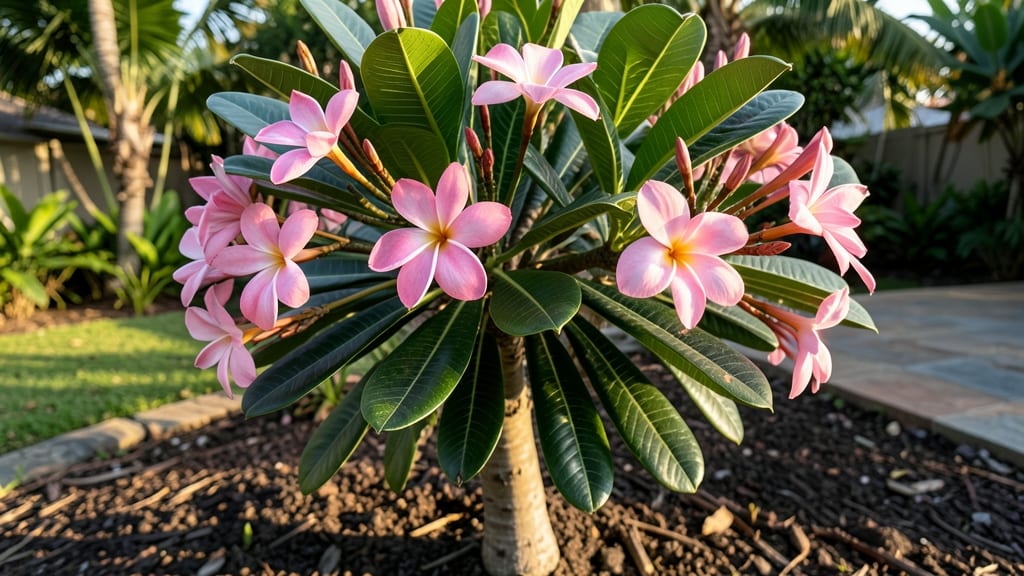
My garden’s pink explosion starts when these tropical trees burst into bloom—tropical tree pink flowers that turn heads all year with almost no fuss. ✨ The first time I saw one in full bloom, I knew it would be the star of my landscape, its vibrant petals softening the edges of my patio while attracting hummingbirds like a magnet.
These trees thrive in zones 9-11 but can handle cooler snaps with the right care, making them perfect for coastal climates or sheltered urban spots. They love sun but tolerate partial shade, and their glossy leaves add texture even when flowers fade.
Pair them with ferns or bromeliads for a lush, layered look that feels like a tropical escape. The best part? Their blooms come in waves—spring, summer, and even into fall—so you’re never without color.
A light pruning in late winter keeps them tidy, but otherwise, they’re low-maintenance stars that reward you with months of effortless beauty. Whether you’re dressing up a patio, lining a driveway, or filling large containers, these trees bring drama and charm without the high upkeep.
Let’s make your space bloom brighter!
📚 In This Guide
- What you need
- Instructions
- Tips and common mistakes
- Wrapping up and next steps
What you need
- ● Tropical tree with pink flowers: 1–3 plants (e.g., Hibiscus rosa-sinensis, Plumeria rubra, or Bougainvillea—choose based on your climate zone).
- ● Size: 1–3 ft tall (young) or 5+ ft (mature, if transplanting).
- ● Well-draining potting mix: 5–10 gallons (for containers) or amended garden soil (for in-ground planting). Pro tip: Mix in perlite or sand (20–30%) to prevent root rot! 💡
- ○ Container (optional but recommended for small spaces): 1–2 large pots (15–20 gallons each) with drainage holes.
- ● Material: Terracotta or fabric (avoid plastic if in freezing climates).
- ● Basic gardening tools: Trowel or shovel (for transplanting).
- ● Pruning shears (sterilized with rubbing alcohol).
- ○ Gloves (optional but helpful for thorns!).
- ● Fertilizer: Balanced liquid fertilizer (10-10-10 or 20-20-20) or slow-release granular fertilizer (e.g., Osmocote).
- ● Frequency: Every 4–6 weeks during growing season.
- ● Mulch: 2–3 inches of organic mulch (e.g., pine bark or coconut coir) to retain moisture.
- ● Watering can or hose with gentle spray nozzle.
- ● Sunlight access: 6+ hours of direct sunlight daily (partial shade in extreme heat).
- ● Climate considerations: USDA Zones 10–12 (or containers for colder zones).
- ● Frost protection (e.g., burlap wraps or indoor overwintering) if below Zone 10. ✨
- ● Epsom salt (1 tbsp/month for magnesium boost).
- ● Copper fungicide (preventative for leaf spot).
- ● Support stakes (for tall varieties like Plumeria).
- ● Humidity tray or pebble tray (for indoor tropical trees).
Step-by-Step guide to growing vibrant tropical tree pink flowers
Here's how to bring bold pink blooms to your space with minimal fuss—just follow these simple steps.
🌱 Step 1: Choose the Right Tropical Tree Variety
Select a pink-flowering tropical tree like the Royal Poinciana (Delonix regia) or Bougainvillea—both thrive in warm climates and produce stunning pink blooms. If you're in a cooler zone, opt for Ixora or Plumeria, which tolerate slightly lower temperatures while still delivering vibrant pink flowers. Check your USDA hardiness zone to ensure your chosen tree can handle your local winters.
I always verify the tree's mature size before planting—some tropical trees grow 20-30 feet tall, while others stay compact. For containers, Ixora or Bougainvillea work beautifully in 15-gallon pots, making them perfect for patios or balconies. Place your tree where it will receive full sun (6+ hours daily)—this is critical for consistent blooming.
☀️ Step 2: Plant in Well-Draining, Fertile Soil
Tropical trees hate soggy roots, so amend your native soil with compost to improve drainage and fertility. A mix of 50% garden soil, 30% compost, and 20% perlite works perfectly for in-ground plantings. For containers, use a premium potting mix blended with orchid bark or coco coir to mimic their natural tropical habitat.
Dig a hole twice as wide as the root ball but only as deep. This encourages roots to spread outward rather than settling too low, which can lead to rot. If planting in a container, choose one 2-3 inches larger in diameter than the current pot—this gives roots room to grow without overwhelming the plant. Water deeply after planting to settle the soil around the roots.
💧 Step 3: Water Deeply but Infrequently
Tropical trees prefer dry spells between waterings—overwatering is the fastest way to kill them. Water once a week in warm weather, but check the soil first: stick your finger 2 inches deep. If it feels dry, water thoroughly until it drains from the bottom. In containers, you may need to water every 3-4 days in peak summer heat.
Mulch around the base with 2-3 inches of organic mulch (like wood chips) to retain moisture and regulate soil temperature. Just keep mulch 6 inches away from the trunk to prevent rot. You’ll know your watering routine is right when you see bright green leaves with no yellowing or wilting—these are signs of either overwatering or underwatering.
✂️ Step 4: Prune Only to Encourage Shape and Blooms
Minimal pruning is key—cut back dead or leggy branches in late winter or early spring to shape the tree and encourage new growth. For Bougainvillea, prune just after flowering to keep it compact. With Royal Poinciana, you can trim lightly after the blooming season to maintain a fuller shape, but avoid heavy pruning unless necessary.
Use clean, sharp pruners to make cuts at a 45-degree angle just above a leaf node. This prevents water from pooling on the cut and reduces the risk of disease. If you notice yellowing leaves, it’s often a sign of over-pruning or nutrient deficiency—feed with a balanced fertilizer (like 10-10-10) in early spring to support new growth.
🌿 Step 5: Protect from Cold and Pests
Most tropical trees cannot tolerate frost—if you’re in a cooler climate, bring container-grown trees indoors before temperatures drop below 50°F. For in-ground plantings, wrap the trunk with burlap in winter and mulch heavily to insulate roots. If your tree is potted, move it to a bright, cool indoor space (like a sunroom) where it can survive the winter.
Watch for aphids or spider mites, which love tropical trees. Spray leaves with neem oil or insecticidal soap if you spot pests early. A strong, healthy tree will bounce back quickly—just keep an eye out for chewed leaves or sticky residue, which are telltale signs of an infestation.
Tips & tricks for perfect tropical tree pink blooms
Here's what nobody tells you about keeping your tropical trees flowering beautifully year after year.
Sunlight Strategy: The 6+ hours of full sun mentioned in Step 1 is non-negotiable for vibrant pink blooms. I've learned this the hard way—Royal Poinciana and Bougainvillea need direct sunlight to trigger flowering. If your space only gets partial sun, consider placing them near a south-facing window or use grow lights for 8 hours daily. Watch for leaves turning yellow or dropping—this is your tree's way of saying "I need more light!"
Soil Mix Secret: That 50-30-20 soil blend in Step 2 isn't just about drainage—it's about mimicking their natural habitat. For containers, I add a handful of orchid bark to the mix to prevent compaction. Pro tip: Test your soil's pH—tropical trees prefer slightly acidic soil (6.0-6.5). If your soil is too alkaline, add sulfur to adjust it gradually over a few weeks.
Watering Wisdom: The "once a week" guideline in Step 3 works for most climates, but your tree's thirst depends on your local conditions. In containers, I weigh my pots—when they feel light, it's time to water. Overwatering is the #1 killer, but underwatering shows up as crispy leaf edges. Stick your finger 2 inches deep as instructed, but also check the weight of the pot—it's a more reliable indicator than just looking at the soil surface.
Pruning Precision: When Step 4 mentions cutting at a 45-degree angle, this isn't just about aesthetics—it's about preventing disease. I always disinfect my pruners with rubbing alcohol between cuts to stop bacterial spread. For Bougainvillea specifically, prune just above a leaf node where new growth will emerge. And remember: less is more—heavy pruning can shock your tree and reduce flowering next season.
Pro Tips for Tropical Tree Pink Flowers
- Here's what nobody tells you about keeping your tropical trees flowering beautifully year after year.
- Sunlight Strategy: The 6+ hours of full sun mentioned in Step 1 is non-negotiable for vibrant pink blooms.
- Soil Mix Secret: That 50-30-20 soil blend in Step 2 isn't just about drainage—it's about mimicking their natural habitat.
Frequently asked questions
Got questions about tropical trees with stunning pink flowers? You're not alone!
Here are some of the most common inquiries—plus expert answers to help you grow lush, vibrant blooms with ease.
What are the easiest tropical trees with pink flowers for beginners?
Start with Hibiscus rosa-sinensis (Hibiscus) or Plumeria rubra (Fringe Flower). Both thrive in warm climates, require minimal pruning, and produce vibrant pink blooms year-round with proper care. Tabebuia impetiginosa (Pink Trumpet Tree) is another low-maintenance option for drier regions.
How long does it take for a tropical tree to bloom pink flowers?
Timing varies! Young trees may take 1–3 years to flower, depending on species, sunlight, and soil conditions. Plumeria often blooms faster (6–12 months), while Tabebuia can take up to 5 years. Patience pays off—healthy trees reward you with seasonal or continuous blooms!
Can tropical pink-flowering trees survive cold winters?
Most tropical trees cannot tolerate frost. If you live in a cold climate, opt for container-grown varieties (like Hibiscus) and bring them indoors during winter. Alternatively, choose hardier species like Lagerstroemia indica (Crape Myrtle), which can handle mild winters (USDA Zones 7–9).
Do these trees need frequent pruning to keep them blooming?
No! Most tropical pink-flowering trees thrive with minimal pruning—just remove dead or overgrown branches in early spring. Plumeria benefits from light pruning after blooming to encourage new growth. Avoid heavy pruning, as it can reduce flowering. Pro tip: Prune after a flower flush to maintain shape without stressing the tree.
What if my tropical tree isn’t flowering? How can I encourage blooms?
Check these fixes:
- Sunlight: Ensure 6+ hours of direct sun daily.
- Watering: Keep soil moist but well-drained (overwatering stresses roots).
- Fertilizer: Use a balanced, tropical-specific fertilizer (like 10-10-10) every 2–3 months.
- Stress reduction: Avoid drastic pruning or temperature swings.
Wrapping up and next steps
Transforming your space with tropical tree pink flowers isn’t just about adding beauty—it’s about embracing effortless, year-round elegance with minimal upkeep.
These vibrant trees bring joy, shade, and a touch of paradise to any garden, patio, or landscape, proving that stunning results don’t require endless pruning or maintenance. Why wait? Start your journey today by choosing the perfect pink-blooming tropical tree and watch your outdoor space flourish with color and life!
🌸 Next Steps:
- Pick your favorite pink-flowering tropical tree (hibiscus, frangipani, or bougainvillea?).
- Check your local climate and soil conditions for ideal placement.
- Plant with confidence—your future self (and your garden!) will thank you. 🌿