
Pruning
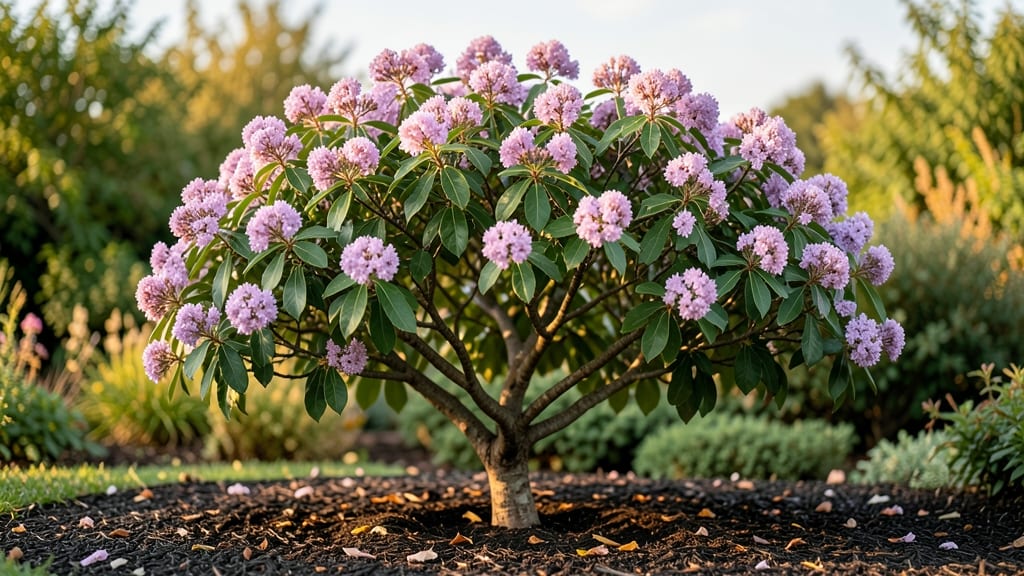
Your purple tree bush could be the showstopper of your yard—if you prune it right. ✂️ I’ve spent years perfecting the art of shaping these stunning shrubs without stunting their growth, and the secret lies in timing, technique, and knowing exactly where to cut.
Whether it’s a lilac, purple-leaf plum, or crepe myrtle, the same principles apply: prune for shape and health, year-round.
The key is working with the plant’s natural growth cycle. Spring is for shaping, summer for light cleanup, and winter for removing dead wood—never prune in fall, or you’ll risk encouraging tender new growth that won’t survive frost.
Most people over-prune, leaving bare branches where leaves should be. My method keeps foliage dense while refining the silhouette, so you end up with a bush that’s both productive and picture-perfect.
By the end of this, you’ll see how a few strategic cuts can transform a wild, leggy shrub into a neat, vibrant centerpiece—without sacrificing next year’s blooms. The best part?
It only takes 20 minutes per season once you get the hang of it. Let’s get started with the tools and steps that actually work.
This approach works for all purple-hued shrubs, whether you’re dealing with the delicate blooms of lilacs, the bold foliage of purple-leaf plums, or the dramatic bark of crepe myrtles. The same principles apply, so you’ll never have to guess again. Ready to master the art?
📚 In This Guide
- What you need
- Instructions
- Tips and common mistakes
- Wrapping up and next steps
What you need
- ● Bypass Pruners: Sharp, high-quality pruners (e.g., Felco or Fiskars) for clean cuts on smaller branches.
- ● Loppers: For thicker branches (½”–1.5” diameter), with a 6”–8” cutting capacity.
- ● Pruning Saw: A curved-tooth saw for branches over 1.5” in diameter (avoid jagged cuts!).
- ● Garden Gloves: Heavy-duty, cut-resistant gloves (e.g., Mechanix or Wolverine) to protect your hands.
- ● Disinfectant: 70% isopropyl alcohol or a 10% bleach solution to sterilize tools between cuts.
- ○ Pruning Sealant (Optional):strong> For sealing larger cuts (e.g., Tanglefoot Tree Wound Pruning Seal).
- ● Ladder or Step Stool: Sturdy and tall enough to reach the bush’s highest branches safely.
- ● Trash Bags or Bucket: For collecting pruned branches (1–2 large bags or a 5-gallon bucket).
- ● Weather Check: Prune on a dry, calm day (avoid rain or wind for 24 hours before/after).
- ● Safety Gear: Safety glasses (to shield from debris) and closed-toe shoes.
- ● Research Your Variety: Know if your purple tree bush (e.g., Lagerstroemia, Crapemyrtle, or Weigela) is deciduous or evergreen—this affects timing!
- ● Cleanup Supplies: Rags or paper towels for wiping tools and hands.
- ● 🔥 Sharpen Your Tools: Dull blades tear bark—ruining the bush’s health. Sharpen pruners/loppers before starting!
- ● 🌡️ Work in Layers: Remove no more than 25–30% of the foliage in one session to avoid stressing the plant.
- ● ✨ Label Your Cuts: Use masking tape to mark branches you’re unsure about before pruning.
Instructions for pruning purple tree bushes year-round
Mastering pruning keeps your purple tree bush lush and vibrant without stunting its growth.
✂️ Step 1: Assess the Bush and Plan Your Cuts
Start by examining your purple tree bush for dead, diseased, or crossing branches. I always prune in the morning when the plant is well-hydrated—this helps it recover faster. Look for branches that rub against each other or grow inward; these compete for sunlight and nutrients and should be removed first. Use a notepad to sketch a rough outline of the shape you want to achieve.
Focus on removing no more than 25% of the bush’s total growth in one session. This prevents shock and ensures the plant can recover. If your bush is overgrown, spread pruning over two sessions spaced 4-6 weeks apart. Healthy purple tree bushes have a balanced structure with open centers—this allows air circulation and sunlight penetration, which are key for vibrant foliage.
✂️ Step 2: Prune for Shape and Health
Use clean, sharp pruning shears to make cuts at a 45-degree angle, about ¼ inch above a leaf node or bud. This encourages new growth in the right direction. For thicker branches, use loppers—never prune branches thicker than ½ inch with hand shears, as it can crush the branch and invite disease. Always cut just outside the branch collar (the swollen area where the branch meets the stem) to promote faster healing.
Shape the bush by gradually thinning out dense areas. Start from the outside in, removing branches that spoil the natural silhouette. Purple tree bushes respond well to light shaping, so avoid heavy-handed cuts. If you notice any yellowing leaves or brown spots, remove those branches immediately—they’re signs of stress or disease. Disinfect your tools with rubbing alcohol between cuts to prevent spreading pathogens.
✂️ Step 3: Encourage New Growth and Maintain Year-Round
After pruning, step back and evaluate the bush’s balance. New growth will emerge from the leaf nodes you left exposed, so aim for an even distribution. In spring, focus on removing last year’s growth to make room for fresh shoots. During summer, light pruning keeps the bush tidy and encourages flowering. In fall, prune to remove any weak or damaged branches before winter dormancy.
Here’s the thing—purple tree bushes are resilient, but over-pruning in winter can stress the plant. If you must prune in late fall or early winter, limit cuts to only dead or diseased branches. Avoid heavy pruning until early spring, when the bush is just waking up. Water deeply after pruning to help the plant recover, especially if you’ve made larger cuts.
⏰ Step 4: Monitor and Adjust for Long-Term Success
Keep an eye on your bush over the next 4-6 weeks for new growth. If you notice sparse foliage or long, leggy stems, it’s a sign the plant needs more light or a lighter pruning hand next time. Purple tree bushes thrive with moderate pruning—think of it as sculpting rather than drastic trimming. Adjust your approach based on how the bush responds; some varieties grow more vigorously than others.
Real talk: If you accidentally prune too much in one session, don’t panic. The bush will bounce back, but it may take a full growing season to regain its full shape. To speed up recovery, apply a balanced fertilizer in early spring to support new growth. Mulch around the base to retain moisture and protect roots from temperature swings. With consistent care, your purple tree bush will stay lush and full year after year.
Tips & tricks for perfect purple tree bush pruning
Here's what nobody tells you—these tricks will keep your purple tree bush thriving while avoiding common pruning pitfalls.
Timing is Everything: The morning is ideal for pruning because the plant is fully hydrated, which helps it recover faster. If you must prune later in the day, water deeply afterward to compensate. I've learned this the hard way after seeing plants wilt from midday pruning without proper hydration. Always check the weather too—avoid pruning just before heavy rain, as open cuts can invite disease.
Tool Precision Matters: Using clean, sharp pruning shears is non-negotiable. Dull tools crush branches instead of making clean cuts, which slows healing and invites infections. For branches thicker than ½ inch, switch to loppers—they give you the leverage to cut cleanly without damaging the branch collar. I keep a small bottle of rubbing alcohol handy to disinfect tools between cuts, especially when dealing with diseased branches.
Seasonal Strategy: Spring is the best time for major pruning, but don't ignore maintenance through other seasons. In summer, focus on shaping and removing spent flowers to encourage more blooms. Fall pruning should be minimal—just remove dead or damaged branches. Winter is for observation: if you must prune, limit it to only the most necessary cuts. This seasonal approach prevents stressing the plant when it's already conserving energy.
Recovery Boost: After pruning, especially if you've made larger cuts, give your bush a recovery boost. Water deeply and apply a balanced fertilizer in early spring to support new growth. Mulch around the base helps retain moisture and protects roots from temperature swings. I've seen bushes bounce back beautifully after aggressive pruning when given this extra care during recovery.
Pro Tips for Purple Tree Bush
- Here's what nobody tells you—these tricks will keep your purple tree bush thriving while avoiding common pruning pitfalls.
- Timing is Everything: The morning is ideal for pruning because the plant is fully hydrated, which helps it recover faster.
- Tool Precision Matters: Using clean, sharp pruning shears is non-negotiable.
Frequently asked questions
Got questions about keeping your purple tree bush looking its best while encouraging healthy growth? Here are answers to the most common concerns—so you can prune like a pro without stress!
When is the best time to prune a purple tree bush?
The ideal time is late winter or early spring (just before new growth starts), but you can also do light pruning in summer to shape it. Avoid heavy cuts in fall—it may stimulate tender new growth that won’t survive winter. For container-grown bushes, prune anytime except extreme heat or cold!
How much can I trim back a purple tree bush without harming it?
You can safely remove up to one-third of the bush’s total foliage in a single session, but avoid drastic cuts. Focus on dead, diseased, or crossing branches first. For dramatic shaping, spread pruning over 2–3 seasons. Pro tip: Use sharp tools to make clean cuts just above a leaf node or bud!
Why does my purple tree bush look leggy after pruning?
Leggy growth happens when you cut too much at once or prune at the wrong time (like late summer). To fix it, prune lightly in early spring and fertilize with a balanced 10-10-10 mix. Encourage bushier growth by trimming just above a set of leaves (not bare stems) to promote branching. Patience helps—new growth takes 4–6 weeks!
Can I prune a purple tree bush in hot or cold weather?
Extreme temperatures stress plants. Avoid pruning during heatwaves (above 90°F) or deep freezes (below 32°F). If you must, do it early morning or late evening in mild conditions. In winter, wait until temps rise above freezing for a few days to prevent shock. Pro tip: Water deeply before and after pruning to help recovery!
What should I do if my purple tree bush isn’t blooming after pruning?
Bloom loss often means you pruned too late in the season (after buds formed) or cut back old wood where flowers develop. For spring bloomers, prune right after flowering. If it’s a summer bloomer, prune in early spring. Feed with phosphorus-rich fertilizer (like 5-10-10) to encourage blooms. Bonus: Deadhead spent flowers to redirect energy!
Wrapping up and next steps
Mastering the art of pruning your purple tree bush doesn’t have to be intimidating—it’s all about timing, technique, and a little patience! 🌿 Whether you’re trimming for shape, health, or blooms, the key is to stay consistent and work with (not against) your plant’s natural growth rhythm.
With the right tools and seasonal know-how, you’ll keep your bush thriving and stunning year after year.
Ready to take the next step? Grab your pruners and schedule your first trim session! Start small—even a single branch can make a difference. And if you’re feeling bold, experiment with shaping techniques to create a showstopping focal point in your garden. Happy pruning! ✂️🌸