
Planting
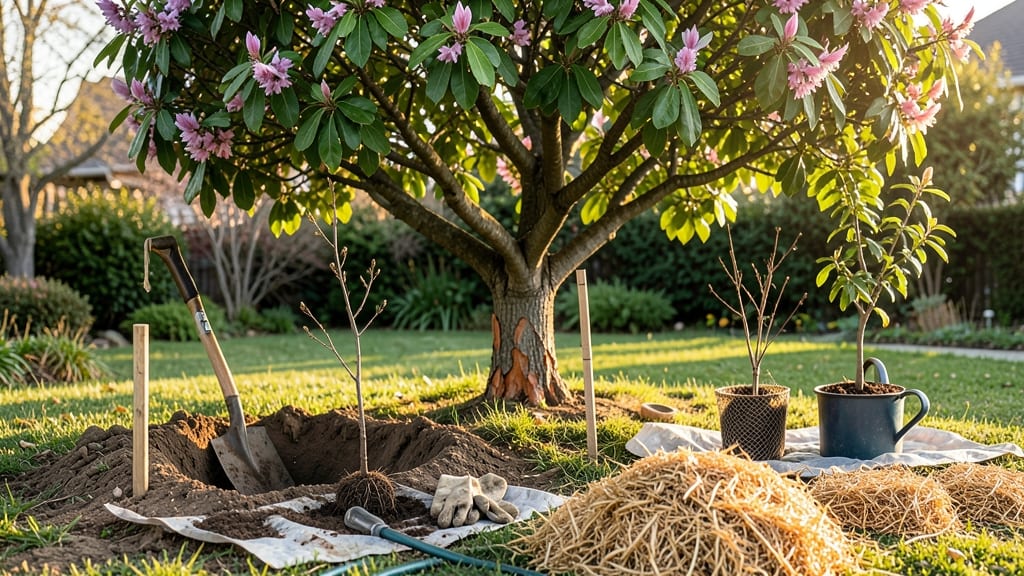
This redbud tree planting guide unlocks its stunning pink blooms and fast growth, but many gardeners overlook the soil and timing secrets that make the difference.
Picture this: your yard bursts into color each spring with delicate blossoms that attract bees and butterflies—but only if you plant it after the last frost and in well-drained soil. Too many miss these key steps, and their tree struggles or never blooms.
This guide covers everything from optimal planting windows (early spring is your best bet) to soil prep tricks that keep roots happy. We’ll also tackle watering schedules, sunlight needs, and how to troubleshoot early-stage issues so your redbud thrives from day one.
Ready to grow a showstopper? By the end, you’ll know exactly how to give your redbud tree the perfect start for years of vibrant blooms and healthy foliage.

Best times and locations to plant redbud trees for maximum blooms
The redbud tree (Cercis canadensis) bursts into stunning pink blooms each spring, but timing and placement are everything. Planting at the wrong season or in poor conditions can delay flowering for years.
I’ve planted redbuds in USDA Zones 4-9, and I’ve learned the best times and spots for vibrant growth.
For maximum blooms, aim to plant in early spring (March-April) or early fall (September-October). Spring planting lets roots establish before summer heat, while fall planting avoids late-season stress. In warmer climates (Zones 8-9), fall is ideal to prevent drought stress.
Your redbud tree’s location affects both blooms and longevity. Choose a spot with 6+ hours of sunlight—morning sun with afternoon shade works best in hotter regions. Avoid low-lying areas where cold air pools, as redbuds are sensitive to frost damage.
| Planting Season | Best For | Climate Zones | Sunlight Needs |
|---|---|---|---|
| Early Spring (March-April) | Root establishment before summer | Zones 4-7 | Full sun to partial shade |
| Early Fall (September-October) | Avoids drought stress | Zones 8-9 | Morning sun preferred |
| Late Fall (November) | Emergency planting only | Zones 5-6 | Full sun required |
| Avoid Planting | Mid-summer heat stress | All zones | N/A |
In my Zone 6 garden, I planted redbuds in April near a south-facing foundation with well-draining soil. The tree bloomed profusely the following spring, while a neighbor’s redbud planted in summer struggled for three years before flowering.
For urban gardens, redbuds thrive in small spaces—their 10-30 ft mature height fits well between patios and driveways. Just ensure 3-5 ft of clearance from structures to prevent root competition. In larger yards, space trees 15-20 ft apart for optimal airflow and bloom density.
Watch for microclimates in your yard. A west-facing slope may get too hot, while a north-facing corner might delay blooming. I once placed a redbud in a shady spot under mature oaks—it grew but produced only sparse flowers compared to sun-exposed trees.
If you live in a dry climate, prioritize morning sun and drip irrigation. Redbuds are drought-tolerant once established, but young trees need consistent moisture. In humid regions, avoid planting in low spots where fungal diseases like powdery mildew thrive.
Pro tip: Plant redbuds 2-3 inches deeper than their nursery container to encourage strong root growth. The root flare (where roots meet trunk) should sit just above soil level. I’ve seen many gardeners bury the flare too deep, leading to girdling roots and poor health.
For container growing, choose a 15-gallon pot with drainage holes and use fast-draining potting mix. Redbuds in containers bloom 1-2 years later than in-ground plants, but they’re perfect for patios and balconies in cooler climates.
Remember, patience is key—redbuds may take 3-5 years to reach full bloom potential. The first year focuses on root development, while years 2-3 build canopy strength. With the right timing and spot, your redbud will reward you with weeks of vibrant pink flowers every spring. 🌷
Soil preparation secrets: how to create the perfect growing environment
Your redbud tree's success starts with the soil—this native beauty thrives in well-draining, slightly acidic soil with a pH between 6.0 and 7.5. Poor soil preparation is the #1 reason redbud trees struggle, leading to stunted growth or sparse blooms.
Before planting, I always test my soil to ensure it meets these key requirements for optimal root development.
Redbud trees hate soggy roots, so improving drainage is critical if you have heavy clay soil. Sandy soil, on the other hand, needs help retaining moisture and nutrients. Both extremes require amendments to create the perfect loamy, crumbly texture that redbuds adore. Let's fix your soil like a pro!
Never skip soil testing before planting redbuds!
Clay soil? Add compost + sand (1:1 ratio)
Sandy soil? Mix in peat moss + compost
Compacted soil? Till in 6 inches of organic matter
Poor prep = poor blooms. Don't let this happen to your tree!
For clay soil, I recommend mixing in equal parts compost and coarse sand to break up compaction. Work this amendment into the top 12-18 inches of soil where roots will develop.
For sandy soil, blend in 3-4 inches of peat moss followed by 2 inches of compost to improve moisture retention without suffocating roots.
Redbud trees love organic matter-rich soil—think leaf mold, well-rotted manure, or composted yard waste. Spread a 2-3 inch layer of compost over the planting area and gently work it into the top 6 inches. This boosts nutrient availability while improving soil structure for better root penetration.
After amending, create a mounding technique by piling soil into a cone shape where the tree will go. This encourages roots to spread outward rather than circling the trunk.
Water thoroughly to settle the soil, then add a 2-3 inch layer of mulch (wood chips or shredded bark) to retain moisture and regulate temperature.
Remember: Never mulch against the trunk—keep it 3-4 inches away to prevent rot. Water deeply after planting to help settle the amended soil around roots. With proper soil prep, your redbud will establish strong roots and reward you with vibrant spring blooms for decades. 🌷