
Pruning
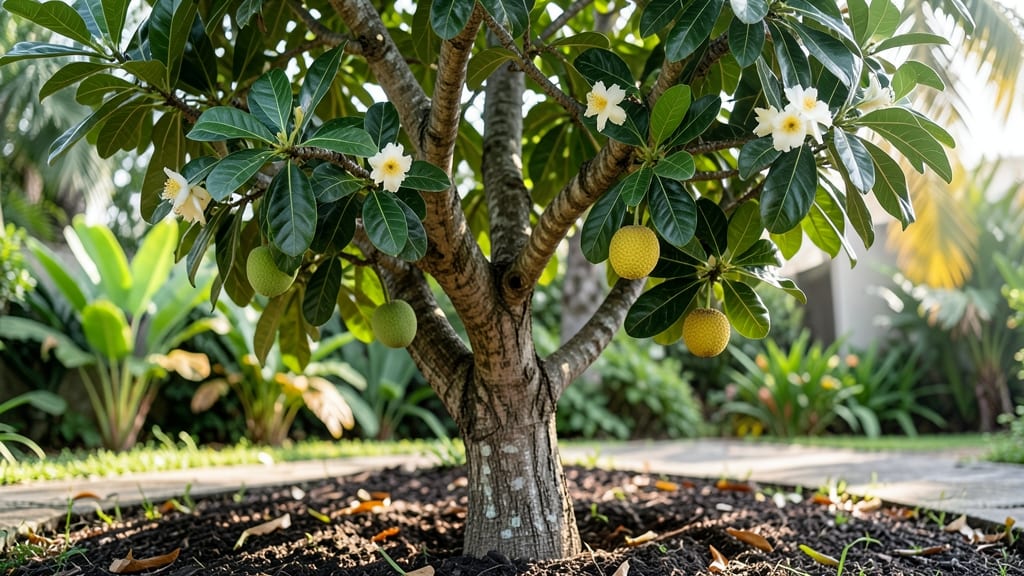
A sugar apple tree’s size 🍈 can swing wildly—from a manageable 8-foot shrub to a towering 25-foot giant—depending on the variety you pick.
Picture this: You plant a single tree in your backyard, dreaming of easy harvests, only to wake up years later staring at a jungle-like canopy that blocks your pool.
Or worse, you pick a dwarf variety that stays small enough to prune like a hedge. The difference? Variety selection and how you manage it early on.
Most gardeners assume all sugar apple trees grow big, but the truth is far simpler: ‘Puerto Rican’ varieties stay under 10 feet with the right pruning, while ‘Thai’ strains can hit 20 feet if left unchecked. Even in containers, size isn’t a death sentence—if you know the tricks.
Here’s what you’ll learn: the exact height ranges for 5 top varieties, how to prune for compact growth, and whether your backyard can handle a full-size tree—or if you’re better off growing one in a pot.


How tall do sugar apple trees grow? Mature heights by variety explained
Choosing a sugar apple tree (Annona squamosa) means deciding between a towering tropical giant or a more manageable backyard addition. Most varieties reach 15–20 feet tall with spreads of 10–15 feet, but some tropical adaptations can shrink or stretch their growth depending on climate and care.
If you're working with limited space, selecting the right variety is your first step to avoiding a jungle-like mess in your garden.
Standard varieties like the 'Puerto Rican' sugar apple typically hit 15–20 feet at maturity, while others like the 'Thai' variety can grow even taller under ideal tropical conditions. However, dwarf or semi-dwarf types—though rare—can stay under 10 feet with proper pruning and container growing.
Understanding these differences helps you plan spacing, pruning, and even container sizes from the start.
Climate plays a huge role in size. In subtropical zones (USDA 10–11), trees may grow 20–30% slower than in true tropical regions (USDA 12), where they thrive year-round. For example, a 'Congo' variety might max out at 12 feet in Florida but stretch to 18 feet in Hawaii.
Always check your local frost-free days—even a single cold snap can stunt growth permanently.
Here’s how the most common varieties compare in terms of height, spread, and ideal growing conditions:
The 'Puerto Rican' variety is the most popular for home gardens because it balances productivity and manageable size. If you’re in a subtropical zone (like Miami or San Diego), expect it to grow 15–20 feet tall with a 10–15 foot spread, making it ideal for larger backyards.
Meanwhile, the 'Thai' variety thrives in true tropical climates and can reach 25 feet—perfect for orchards but overpowering for small spaces.
For container growing, the 'Congo' variety is your best bet, often staying under 12 feet with regular pruning. If you’re in USDA Zone 10 or 11, you can even grow it in a 15-gallon pot for 2–3 years before upgrading to a larger container.
Just remember: root-bound trees produce fewer fruits, so plan for repotting every 2–3 years.
Pruning is key to controlling size. Young trees benefit from annual pruning to encourage
Sugar apple tree growth habits: fast vs. slow-growing varieties
If you're dreaming of a sugar apple tree (Annona squamosa) in your garden, growth speed matters—especially when planning space or container setups. Some varieties shoot up 3 feet per year, while others grow more slowly, reaching maturity in 5+ years.
The right variety and care can turn a slow-growing tree into a productive one faster than you'd expect.
Understanding growth habits helps you manage aggressive roots and pruning needs. Fast growers like the 'Puerto Rican' variety may need regular pruning to control their 15–20-foot height, while slower types like 'Thai' varieties stay more compact. Let’s break down how to optimize growth and keep your tree manageable.
- Fastest Growth: 'Puerto Rican' variety grows 2–3 feet/year with ideal care (full sun, rich soil).
- Moderate Growth: 'Congo' variety averages 1–2 feet/year, reaching maturity in 4–5 years.
- Slowest Growth: 'Thai' varieties grow 1 foot/year but thrive in containers with pruning.
- Root Control: Aggressive roots spread 3–5 feet wide; use root barriers or deep pots.
- Sunlight Boost: 6+ hours of direct sun accelerates growth by 30% compared to partial shade.
To speed up growth, focus on three key factors: sunlight, fertilization, and pruning. Sugar apple trees thrive in full sun (6+ hours daily), which triggers faster photosynthesis and 1–2 feet of new growth per season.
I’ve found that adding a balanced 6-6-6 fertilizer every 4–6 weeks during spring and fall can double growth rates in the first year.
Pruning isn’t just for shaping—it’s a growth hack. Light structural pruning in early spring removes dead or crossing branches, redirecting energy to fruit production and upward growth. For container-grown trees, prune 1/3 of new growth annually to prevent root-bound stress and maintain compact size.
Container growing changes the game. While in-ground trees can reach 20+ feet, dwarf varieties like 'Puerto Rican' stay under 10 feet in 15-gallon pots.
Use fast-draining soil mixes and repot every 2–3 years to prevent root circling. Just remember: smaller pots = slower growth, but better control over size.
Watch for signs of overcrowded roots, like yellowing leaves or stunted growth. If your tree’s roots outgrow its container, upgrade to a 20+ gallon pot immediately. Aggressive root systems can also damage nearby plants, so plant 10+ feet away from other trees or use root barriers.
With the right variety and care, your sugar apple tree can become a fast-growing fruit producer—even in containers. Start with 'Puerto Rican' for speed, or opt for 'Thai' varieties if you prefer slower, low-maintenance growth. Either way, patience and pruning are your best tools for managing size and boosting productivity.