
Pruning
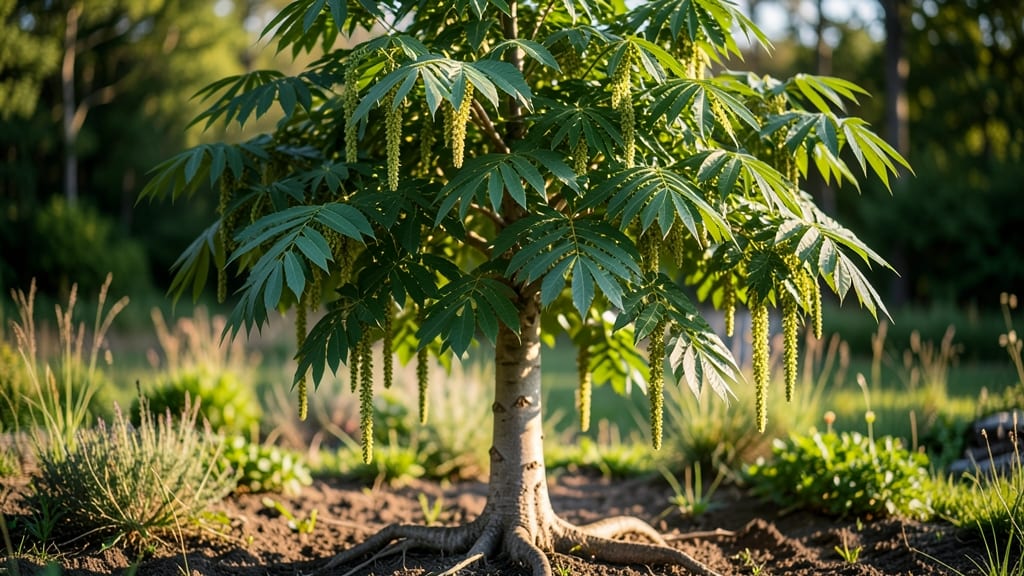
That fast-growing Tree of Heaven (Ailanthus altissima) might look like a free urban canopy, but its aggressive roots and invasive tendencies make it a high-maintenance "habitat" for wildlife—unless you're prepared to control it. 🌳 I've watched this tree transform neglected lots into dense, shade-providing thickets, but its rapid spread can crowd out native plants and disrupt ecosystems if not managed carefully.
The tree thrives in poor soil, urban heat, and even compacted pavement cracks—making it perfect for neglected spaces but a nightmare for intentional garden designs.
Its compound leaves and distinctive smell (often compared to peanut butter or turpentine) are unmistakable, but the real challenge is its ability to sprout from root fragments, turning control into a long-term commitment.
When integrated thoughtfully, it can provide quick shade, shelter for birds, and nesting sites for insects—though it rarely supports native wildlife long-term. The key is pairing it with drought-tolerant perennials that can compete, like black-eyed Susans or coneflowers, to balance its dominance.
For urban gardeners, the trade-off is clear: fast shade now or native biodiversity later. If you're willing to invest in pruning and root barriers, this tree can be a surprisingly versatile (if stubborn) addition to wildlife-friendly landscapes—just don’t expect it to stay contained without effort.
📚 In This Guide
- What you need
- Instructions
- Tips and common mistakes
- Wrapping up and next steps
What you need
- ● Pruning shears – Bypass shears (8-10” blade) for clean cuts on small branches.
- ● Loppers – 16-24” reach for thicker branches (up to 2” in diameter).
- ● Pruning saw – 7-10” curved blade for larger limbs (2”+ diameter).
- ● Heavy-duty gloves – Cut-resistant, long-sleeved to protect against thorns and sap.
- ● Safety goggles – ANSI-rated to shield eyes from debris.
- ● Work boots – Steel-toe or composite-toe for foot protection.
- ○ Disposable pruning bags – 10-20 gallon capacity for collecting cuttings (optional but recommended to prevent spread).
- ○ Tree wound dressing – Optional but helpful for sealing larger cuts (e.g., Tanglefoot Tree Wound Pruning Sealer).
- ● Ladder or lift – Extension ladder (20-30’) or cherry picker for tall trees (safety harness required!).
- ● Sharpie or paint marker – For marking cuts if pruning in stages.
- ● Rake or broom – For cleanup of debris and fallen leaves.
- ● Check local regulations – Some areas restrict disposal of Tree of Heaven cuttings (they can resprout!).
- ● Timing matters – Prune in late winter or early spring (dormant season) for best results.
- ● Sanitize tools – Wipe blades with rubbing alcohol (70%+) between cuts to prevent disease spread.
- ● Wear long sleeves/pants – The Tree of Heaven’s sap can irritate skin.
How to manage Tree of Heaven growth in urban gardens
This invasive species thrives in cities—here’s how to contain it while creating a balanced habitat.
🌱 Step 1: Identify and Assess Existing Tree of Heaven
Start by locating all Tree of Heaven (Ailanthus altissima) plants in your area. Look for their distinctive compound leaves with 7-13 leaflets, each 1-3 inches long, and a strong, unpleasant odor when crushed. Young trees have green bark, while mature ones develop deep furrows and a pyramidal shape. Mark their positions with flags or stakes to track growth patterns over time.
Dig carefully around the base to check for suckers—new shoots that emerge from the roots. These are the plant’s primary way of spreading, and removing them early prevents future infestations. If you find a dense cluster, prioritize the largest stems first, as they’ll produce the most suckers.
✂️ Step 2: Prune Aggressively to Control Spread
Cut back all woody stems to the ground in late winter or early spring, before new growth begins. Use clean, sharp pruners to avoid damaging nearby plants or spreading disease. For larger stems, a pruning saw works best. Dispose of cuttings immediately—do not compost them, as they can regrow if left in the soil.
Focus on removing suckers as soon as they appear, since they drain resources from the main plant. If left unchecked, a single Tree of Heaven can produce hundreds of suckers per year, making control nearly impossible. After pruning, apply a 2-3 inch layer of mulch around the base (but not touching the trunk) to suppress new shoots.
🪴 Step 3: Implement Physical Barriers to Prevent Regrowth
Install a root barrier made of hardware cloth or thick plastic sheeting (at least 2 feet deep) around the perimeter of the tree’s root zone. Bury the edges 6-12 inches below ground to block underground spread. For smaller areas, a metal edging strip can also work—just ensure it’s buried deep enough to prevent roots from escaping.
Check the barrier monthly for gaps or damage, especially after heavy rains or storms. If you spot new shoots emerging near the barrier, dig them out immediately—even small shoots can develop deep roots quickly. Over time, the barrier will weaken the tree’s ability to send out new growth, making it easier to manage.
☀️ Step 4: Encourage Native Competition to Outcompete Tree of Heaven
Plant fast-growing native shrubs and perennials around the Tree of Heaven’s base to crowd out its light and nutrients. Good choices include serviceberry (Amelanchier), elderberry (Sambucus), or sumac (Rhus), all of which thrive in urban conditions and provide wildlife benefits. Space them 3-4 feet apart to fill gaps quickly.
Mulch heavily with wood chips or straw (avoid fresh wood chips, which can harbor pests) to smother suckers and retain moisture for native plants. Water deeply once a week during dry spells to help your chosen species establish strong roots. Within 1-2 years, a well-planted area can suppress Tree of Heaven growth significantly.
💧 Step 5: Monitor and Maintain Long-Term Control
Inspect the area weekly for new shoots, especially in spring and early summer when growth is most active. Pull suckers by hand when they’re small—wear gloves, as the sap can irritate skin. For larger stems, use gloves and pruners, then dispose of cuttings in sealed bags. Over time, consistent removal weakens the tree’s ability to regenerate.
If the Tree of Heaven is large or deeply rooted, consider professional removal—digging up the entire root system is often the only permanent solution. Even then, monitor the site for 2-3 years, as dormant roots can sprout new shoots. Replace removed trees with native alternatives to restore ecological balance.
Tips & tricks for managing Tree of Heaven growth
Between us, Tree of Heaven might look harmless at first glance—but its aggressive spread can turn your urban garden into an ecological nightmare. Here’s how to outsmart it.
Timing is Everything: The late winter or early spring pruning window in Step 2 is non-negotiable. This is when the tree’s energy reserves are lowest, making it far easier to control. I’ve seen neighbors skip this timing and end up with a resurgence of suckers by summer—don’t make that mistake. Mark your calendar now for February or March, before buds even appear.
Root Barrier Pro Tip: When installing that 2-foot-deep root barrier in Step 3, go an extra 2 inches deeper than specified if your soil is sandy. Sandy soil lets roots escape more easily, and you’ll regret those missed roots later. I’ve had to dig up and replace barriers because I didn’t account for this—trust me, it’s not worth the headache. Use a tape measure to verify depth at multiple points around the perimeter.
Native Plant Selection Strategy: In Step 4, serviceberry and elderberry are fantastic choices, but if you’re in a particularly dry urban area, consider adding spicebush (Lindera benzoin)—it’s drought-tolerant and equally effective at crowding out Tree of Heaven. Space these at the 3-4 feet spacing mentioned, but add an extra plant every 5 feet if your climate is especially harsh. The competition will be fierce, and you’ll need every advantage.
Long-Term Monitoring Hack: For Step 5’s weekly inspections, I’ve found that attaching a small, bright-colored ribbon to the largest suckers makes them instantly visible from a distance. This visual cue saves time and ensures you don’t overlook any sneaky regrowth. Pair this with a monthly barrier check, and you’ll catch problems before they become unmanageable.
Pro Tips for Tree Of Heaven Habitat
- Between us, Tree of Heaven might look harmless at first glance—but its aggressive spread can turn your urban garden into an ecological nightmare.
- Timing is Everything: The late winter or early spring pruning window in Step 2 is non-negotiable.
- Root Barrier Pro Tip: When installing that 2-foot-deep root barrier in Step 3, go an extra 2 inches deeper than specified if your soil is sandy.
Frequently asked questions
Got questions about managing a Tree of Heaven habitat?
You’re not alone—this fast-growing tree can be tricky! Here are answers to common concerns to help you take control of its aggressive growth in urban gardens.
Is the Tree of Heaven invasive, and how do I stop it from spreading?
The Tree of Heaven (Ailanthus altissima) is highly invasive due to its prolific seed production and deep root system. To control it, remove seedlings immediately—they’re especially vulnerable when young. For mature trees, cut stumps at ground level and apply glyphosate or vinegar-based herbicides to prevent regrowth. Pro tip: Wear gloves—its sap can cause skin irritation!
How long does it take to fully eradicate a Tree of Heaven?
Eradication isn’t quick—it can take 1–3 years of consistent effort, depending on the tree’s size and your method. Young trees may die within a season after cutting, but larger specimens often resprout. For stubborn cases, repeat treatments in late spring or early fall (when the tree is actively growing) yield the best results.
Are there natural alternatives to chemical herbicides for removal?
Yes! For small trees or seedlings, manual removal (digging roots with a shovel) works well. Smothering with thick cardboard or mulch can suffocate young shoots. Pro tip: Goat grazing (if legal in your area) is an eco-friendly option—goats love to eat Tree of Heaven foliage! For larger trees, drill-and-inject herbicides like triclopyr are targeted and effective.
What should I do if the Tree of Heaven keeps regrowing after cutting?
Regrowth is common because the tree has vigorous root systems. If you cut it down and it sprouts again, reapply herbicide directly to the stump or use a copper nail (driven into the center) to disrupt regrowth. For persistent cases, consider hiring a professional arborist—they can assess whether the roots need full excavation.
Can I plant anything else in its place without it taking over?
Once removed, choose native, non-invasive plants like Black Walnut, Oak, or Serviceberry for your urban garden. These trees have stronger root competition and won’t spread aggressively. Pro tip: Add a ground cover layer (e.g., Clover or Creeping Thyme) to suppress weeds and outcompete any lingering Tree of Heaven seedlings.
Wrapping up and next steps
Creating a balanced Tree of Heaven habitat in your urban garden is all about proactive care and smart pruning. By understanding its aggressive growth habits and using the right tools and techniques, you can transform this invasive species into a manageable—and even beautiful—part of your landscape. 🌿
Ready to take action? Start by inspecting your tree weekly and pruning early to curb its spread. Share your progress with fellow gardeners or local green spaces to turn this challenge into a community effort! Together, we can reclaim our gardens while preserving nature’s harmony.