
Trees
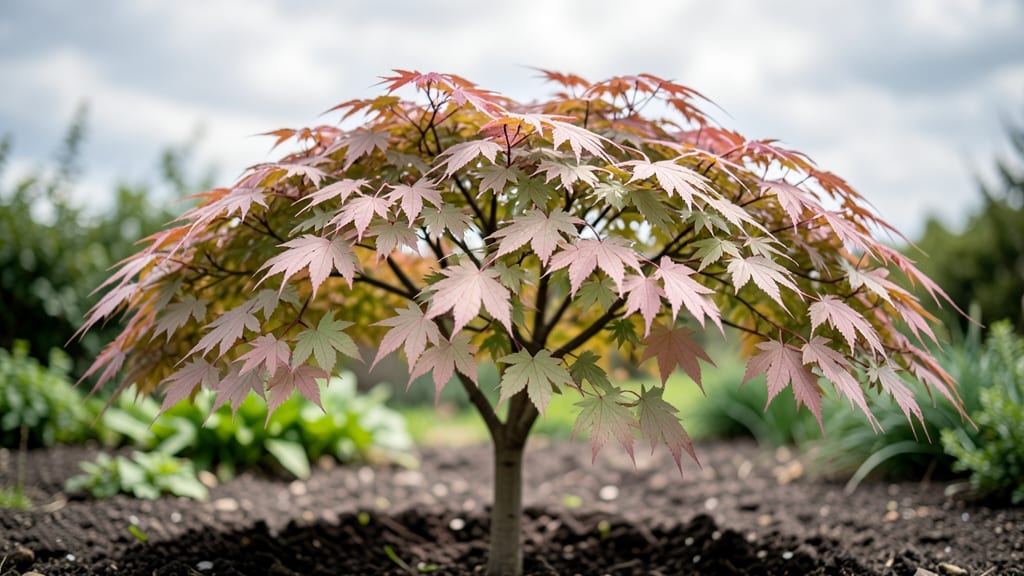
Pink leaves on your tree this spring aren’t just an eyesore—they’re a cry for help. 🌿 Whether it’s nutrient starvation, fungal hitchhikers, or stress from last winter’s freeze, the color shift signals something’s off in your tree’s health.
Before you panic, let’s diagnose the real cause and bring back that deep, vibrant green.
Start by checking for powdery mildew (that white dusty film) or yellowing between veins (a classic sign of nitrogen deficiency). Environmental stress—like sudden temperature swings or poor drainage—can also trigger the pinkish hue.
The good news? Most issues fix with targeted care: balanced fertilizer, proper watering, and a little TLC to restore balance.
📚 In This Guide
- What you need
- Instructions
- Tips and common mistakes
- Wrapping up and next steps
What you need
- ● Fertilizer: Balanced liquid fertilizer (e.g., 10-10-10 or 20-20-20 NPK ratio) – 1 gallon per 100 sq. ft. of root zone.
- ● Iron chelate (for chlorosis correction) – 1-2 tbsp per gallon of water.
- ● Soil Amendments: Compost or well-aged manure – 2-3 inches mixed into topsoil.
- ● Sulfur granules (for acid-loving trees like azaleas) – 1 lb per 100 sq. ft..
- ● Watering Supplies: Hose with soaker nozzle or drip irrigation system.
- ● Water storage container (e.g., 5-gallon bucket) for mixing solutions.
- ● Protective Gear: Gloves (nitrile or leather for durability).
- ● Safety goggles (if handling granular sulfur or fertilizers).
- ● Pink-tinted foliar spray (e.g., natural beet juice or food-grade dye) – for a temporary, artistic effect.
- ● pH testing kit (to ensure soil pH is ideal for your tree’s needs, typically 5.0–6.5 for pink-leafed varieties).
- ● Mulch (pine straw or cedar chips) – 2–4 inches thick to retain moisture and acidity.
- ● Pruning shears (sterilized with rubbing alcohol) for trimming dead branches before treatment.
Instructions: revitalize your tree’s spring foliage naturally
Here’s how to transform pale, lackluster leaves into vibrant greens and pinks using simple, science-backed techniques.
🌿 Step 1: Assess and Prune for Airflow
Start by inspecting your tree for dead, diseased, or crossing branches. Use clean, sharp pruning shears to remove anything blocking sunlight or airflow—this prevents fungal growth and encourages new growth. Focus on branches that are rubbing against each other or growing inward, as these create dark, damp pockets where pests thrive.
Prune in early spring, just as buds begin to swell but before new leaves unfurl. Cut just outside the branch collar (the swollen area where the branch meets the trunk) to avoid leaving stubs. You’ll notice healthier buds and brighter foliage within weeks as light reaches more leaves.
☀️ Step 2: Boost Light Exposure
Pink-tinged leaves often signal stress from insufficient light. Thin out dense canopies by removing up to 30% of the smallest branches to let sunlight penetrate deeper. If your tree is in a shaded area, consider transplanting it to a sunnier spot—most trees need at least 6 hours of direct sunlight daily for vibrant foliage.
For container-grown trees, rotate the pot every few weeks so all sides receive even light. You’ll see new growth emerge with a richer color within 4-6 weeks of improved light exposure. Avoid sudden moves, though—gradually acclimate the tree over a week if relocating.
💧 Step 3: Adjust Watering for Healthy Roots
Overwatering or underwatering both cause dull leaves. Check soil moisture by sticking your finger 2 inches deep—if it feels dry, water deeply until moisture reaches 6 inches down. If the soil is soggy, let it dry out before watering again. Pink-tinged leaves often indicate root stress, so aim for consistent moisture rather than sporadic heavy watering.
Mulch around the base with 2-3 inches of organic mulch (like shredded bark) to retain moisture and regulate soil temperature. Keep mulch 6 inches away from the trunk to prevent rot. You’ll notice leaves perk up within 2-3 weeks as roots stabilize.
🌱 Step 4: Feed with Balanced Fertilizer
Apply a balanced, slow-release fertilizer (like 10-10-10) in early spring, following package instructions for your tree’s size. Avoid high-nitrogen fertilizers, which promote leafy growth at the expense of color. Instead, focus on micronutrients like iron and magnesium, which enhance leaf vibrancy.
Work the fertilizer into the top 4-6 inches of soil and water thoroughly to activate it. You’ll see a difference in leaf color within 3-4 weeks, especially if the tree was nutrient-deficient. For container trees, use a liquid fertilizer diluted to half-strength every 4-6 weeks during growing season.
✂️ Step 5: Monitor and Maintain
Keep an eye out for pests like spider mites or aphids, which can drain a tree’s energy and dull its color. Spray affected areas with neem oil or insecticidal soap, and repeat every 7-10 days until pests disappear. Healthy trees resist pests better, so consistent care is key.
Trim any new growth that looks weak or discolored as it appears. By mid-spring, your tree’s leaves should show a natural pink or green flush—this is a sign of balanced health. If color doesn’t improve after 6-8 weeks, consult a local arborist to rule out disease or soil issues.
Tips & tricks for reviving tree foliage in spring
Here's what nobody tells you about transforming dull leaves into vibrant pinks and greens—without the guesswork.
Timing Secret: Early spring is the absolute best time to prune, but don't rush it. Wait until you see buds starting to swell—this signals the tree's natural growth cycle is about to kick in. I learned this the hard way after pruning too early and seeing new growth appear weak. The key is catching that sweet spot between dormancy and active growth, usually when you notice tiny buds forming but before leaves unfurl. This timing ensures your cuts stimulate fresh, vibrant growth rather than stressing the tree.
Light Exposure Insight: When thinning dense canopies in Step 2, focus on removing branches that are growing inward or crossing over others. These create shaded pockets where leaves never get proper sunlight, leading to that dull, pale appearance. I recommend thinning out up to 30% of the smallest branches—this might sound aggressive, but trust me, it makes all the difference. You'll notice new growth emerging with richer color within just 4-6 weeks, especially on the inner branches that suddenly get direct sunlight. The goal is to create an open, airy structure that lets light penetrate to the lower branches.
Watering Wisdom: The 2-inch soil moisture check is crucial, but here's what I've found works best: water deeply when the top 2 inches are dry, but don't let the soil become waterlogged. I've seen many people overwater in spring thinking it's helping new growth, but soggy soil actually suffocates roots. For container trees, check soil moisture more frequently since pots dry out faster. The key is consistent moisture—not soggy soil or bone-dry conditions. You'll see leaves perk up within just 2-3 weeks when roots get the right balance of moisture and air.
Fertilizer Strategy: When applying that balanced 10-10-10 fertilizer in Step 4, don't just sprinkle it on top—work it into the soil's top 4-6 inches. This gets nutrients where the roots can access them most effectively. I've noticed the biggest color improvement when I combine the fertilizer with a thorough watering right after application. For container trees, that half-strength liquid fertilizer every 4-6 weeks makes a noticeable difference in leaf vibrancy. The micronutrients like iron and magnesium really help bring back that natural pink flush in many tree varieties.
Pro Tips for Tree Pink Leaves In Spring
- Here's what nobody tells you about transforming dull leaves into vibrant pinks and greens—without the guesswork.
- Timing Secret: Early spring is the absolute best time to prune, but don't rush it.
- Light Exposure Insight: When thinning dense canopies in Step 2, focus on removing branches that are growing inward or crossing over others.
Frequently asked questions
Got questions about those stunning pink leaves in spring? You’re not alone! Here are some of the most common queries—and their science-backed answers—to help you achieve (or troubleshoot) that vibrant foliage.
Why do some trees turn pink in spring?
Pink leaves in spring are often a sign of anthocyanin pigments, which develop when trees experience cool nights and warm days—ideal for stress-inducing color. Some species (like Prunus serrulata or Betula) naturally produce pink hues, while others may react to nutrient imbalances or environmental factors like drought.
When is the best time to see pink leaves on trees?
Timing varies by species and climate, but pink leaves typically peak in late March to May in temperate zones. Early bloomers (like cherry trees) may show color as early as February, while later varieties might wait until April. Monitor your tree’s growth cycle—pink often appears just before or after bud break!
Can I make my tree’s leaves turn pink naturally?
Yes! Boost anthocyanins with these tricks:
- Balanced fertilization: Use a high-potassium, low-nitrogen fertilizer (like 5-10-10) in early spring.
- Stress-friendly care: Light pruning and consistent (but not excessive) watering can trigger pigment production.
- Sunlight exposure: Ensure your tree gets 6+ hours of direct sun—partial shade can dull color.
Pro tip: Avoid overwatering—soggy roots reduce pigment development!
Are pink leaves a sign of disease or pests?
Not always! While some pink/reddish leaves signal stress (e.g., fungal infections like anthracnose or pest damage), many healthy trees—especially ornamental cherries, maples, or birches—produce pink naturally. Check for:
- Yellowing edges or spots → Possible nutrient deficiency (iron/manganese) or disease.
- Curled or sticky leaves → Likely pest activity (aphids, mites).
- Wilting or blackened veins → Root rot or overwatering.
If unsure, test soil pH (ideal: 6.0–7.0) and consult a local arborist.
What are good tree alternatives for pink spring foliage?
If your tree isn’t cooperating, try these low-maintenance pink-leafed options:
Tree/Shrub
Pink Hue Timing
Care Level
Japanese Maple (Acer palmatum)
Spring + fall
Moderate (prefers shade)
Smoke Tree (Cotinus coggygria)
Spring to early summer
Easy (drought-tolerant)
Dwarf Fothergilla (Fothergilla gardenii)
Spring (brief but bold)
Low (great for small yards)
Ornamental Cherry (Prunus serrulata)
Spring (before flowers)
Moderate (needs well-drained soil)
Pro tip: For longer-lasting pink, plant in full sun and amend soil with compost before spring!
Wrapping up and next steps
Transforming your trees into vibrant bursts of pink leaves in spring isn’t just about aesthetics—it’s a celebration of nature’s resilience and your green thumb at work! 🌸 By understanding the science behind color shifts, choosing the right techniques, and addressing common concerns, you’re well on your way to creating a stunning, science-backed garden.
Now’s the perfect time to put your knowledge into action—grab those tools, experiment with a few branches, and watch your outdoor space bloom with confidence!
🌱 Next Steps:
- Start small: Pick one tree or branch to test your chosen method (foliar sprays, soil amendments, or pruning).
- Document progress: Snap photos weekly to track color changes and refine your approach.
- Share the joy: Inspire others by posting your results online—tag us @YourGardenCommunity for a chance to be featured!