
Pruning
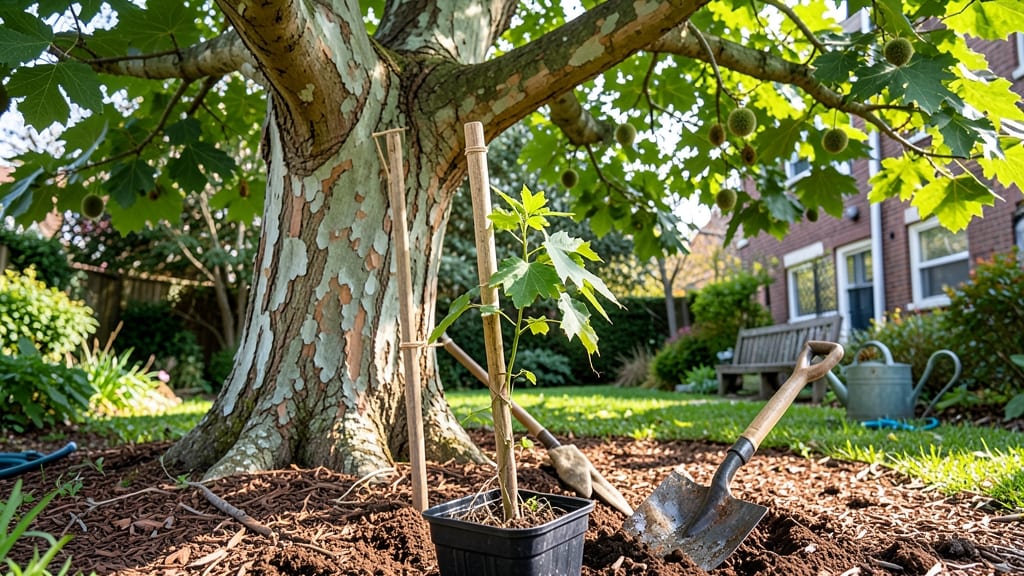
Planting trees in London means choosing the right moment for survival—and that’s not just autumn. 🌳 The city’s compacted soil and urban heat demand precise timing, and I’ve learned that spring and autumn are your golden windows, when roots establish before summer’s stress or winter’s freeze.
The secret starts with soil: London’s clay-heavy ground needs loosening and organic matter to breathe. A 3-foot-deep hole with compost or well-rotted manure gives roots room to spread. Skip the heavy clay, and you’ll see faster growth—my London plane thrived after this simple prep.
Once planted, water deeply every 7-10 days for the first year, even in rain. Urban trees face extra stress from pavement heat and pollution, so mulch well to lock in moisture. A sturdy stake helps young trees weather London’s unpredictable winds.
For small spaces, opt for species like small-leaved lime or field maple—they handle urban conditions better than giants. Always check local regulations first; some areas have tree preservation orders that protect mature specimens.
📚 In This Guide
- What you need
- Instructions
- Tips and common mistakes
- Wrapping up and next steps
What you need
- ● Tree sapling: Choose a native species (e.g., London Plane, Silver Birch, or Hawthorn) from a reputable nursery. Size: 1–2 meters tall, rootball diameter of 30–45 cm.
- ● Planting hole: Dig a hole twice as wide and slightly shallower than the rootball. Depth: Match the top of the rootball with ground level.
- ● Compost or topsoil: 1–2 wheelbarrows (or ~50 liters) of nutrient-rich soil to mix with existing soil.
- ○ Tree support (optional but recommended for young trees): Stake: 1–2 wooden or metal stakes (1.5–2 meters tall).
- ● Tree tie: 1–2 adjustable fabric straps to secure the sapling to the stake.
- ● Watering can or hose: 10–20 liters capacity for thorough watering.
- ● Mulch: 2–3 inches of organic mulch (wood chips or straw) to retain moisture and suppress weeds.
- ● Shovel: Round-point spade for digging.
- ● Garden fork: For loosening compacted soil.
- ● Gloves: Heavy-duty work gloves to protect your hands.
- ● Pruners: Bypass pruners for trimming any damaged branches.
- ● Measuring tape: To ensure proper planting depth.
- ○ Knee pad or cushion (optional): For comfort during digging.
- ● Location: Check local London Council guidelines for permitted planting zones (avoid pavements, private property without permission, or protected areas).
- ● Season: Plant in late autumn to early spring (November–March) for optimal root establishment.
- ● Permits: Some boroughs require approval—verify with your local council.
- ○ Soil test (optional but helpful): Use a DIY kit to check pH and nutrient levels, especially in urban areas.
Step-by-step guide to planting trees in London's climate
London’s weather demands smart timing—here’s how to plant trees for strong roots and long-term success.
🌱 Step 1: Choose the Right Season for Your Tree
London’s cool, damp winters and mild summers create ideal planting windows. The best time is late autumn to early winter (November–January), when soil stays workable and trees enter dormancy. This gives roots time to establish before spring growth. Avoid planting in summer heat—young trees struggle to retain moisture, and shallow roots bake in dry soil.
If you must plant in spring, do it early (March–April) before buds swell. Trees planted too late may not root deeply enough before summer drought. Check the soil: it should be cool to the touch and hold moisture without feeling soggy. A simple test is pressing your finger into the ground—if it resists slightly, conditions are perfect.
🌿 Step 2: Select a Tree Suited to London’s Soil and Space
London’s clay-heavy soil drains poorly, so pick trees that tolerate wet feet or improve drainage. Native species like field maple (Acer campestre) or common hornbeam (Carpinus betulus) thrive here. For urban spaces, smaller varieties (like Japanese cherry (Prunus serrulata)) fit better than large oaks. Check the tree’s mature height—avoid planting near power lines or foundations.
Dig a hole twice as wide as the root ball but no deeper. This prevents root suffocation. Loosen the sides of the hole with a fork to reduce compaction. If your soil is very dense, mix in a 5-gallon bucket of compost into the bottom layer. This boosts nutrient availability without overwhelming the tree.
⏰ Step 3: Plant with Proper Technique for London’s Weather
Remove the tree from its container and loosen any circling roots gently with your fingers. Place it in the hole so the top of the root ball sits level with ground surface—burying too deep suffocates the trunk. Backfill with native soil, tamping lightly every 6 inches to eliminate air pockets. Water deeply until the soil settles 2 inches below the root ball’s edge.
Mulch with 3–4 inches of wood chips, keeping it 6 inches away from the trunk to prevent rot. In London’s damp climate, mulch helps regulate moisture but must allow airflow. Stake only if the tree is taller than 6 feet—use two stakes at opposite sides and a flexible tie to avoid girdling. Remove stakes after 1 year to encourage natural strength.
☀️ Step 4: Water and Protect Newly Planted Trees
London’s variable rainfall means young trees need consistent moisture. Water once a week for the first 3 months, delivering 10–15 gallons per tree each time. Check soil moisture by pushing a finger 2 inches deep—if it’s dry, water again. Overwatering is just as harmful, so avoid soggy soil. In hot spells, increase watering to twice weekly until the tree establishes.
Protect the tree from urban pollution and winter salt (if near roads). Wrap the trunk with tree guard or burlap in the first year. Prune only to remove dead or crossing branches—never more than 25% of the canopy. London’s urban microclimates can stress trees, so monitor for yellowing leaves (sign of overwatering) or brown tips (underwatering or salt damage).
Tips & tricks for perfect tree planting in London
London’s climate can make or break your tree’s success—here’s how to give it the best start possible.
Seasonal Timing is Everything: I can’t stress this enough—planting in November–January gives roots time to establish before spring growth. If you must plant in spring, do it by April before buds swell. I’ve seen trees planted too late in summer struggle with shallow roots and drought stress. Check soil temperature with your hand: it should feel cool and hold moisture without being soggy. That’s your perfect window.
Root Ball Preparation Matters: When you remove the tree from its container, gently loosen any circling roots with your fingers. These roots can strangle the tree if left intact. I always test the root ball’s depth—it should sit level with the ground, not buried. Burying too deep suffocates the trunk and prevents proper root growth. A quick way to check: the top of the root ball should be just below the soil line when finished.
Mulching for London’s Damp Climate: Apply 3–4 inches of wood chips around the base, but keep it 6 inches away from the trunk to prevent rot. In London’s humid weather, mulch helps regulate moisture without smothering the tree. I’ve noticed that trees with proper mulching establish faster and handle winter better. Just remember—mulch should never touch the trunk.
Watering Wisdom: Those first 3 months are critical—water once a week with 10–15 gallons per tree. Use the finger test: push your finger 2 inches deep into the soil. If it’s dry, water again. In hot spells, increase to twice weekly until the tree’s roots spread deeper. Overwatering is just as harmful as underwatering, so let the soil dry slightly between waterings.
Pro Tips for Tree Planting London
- London’s climate can make or break your tree’s success—here’s how to give it the best start possible.
- Seasonal Timing is Everything: I can’t stress this enough—planting in November–January gives roots time to establish before spring growth.
- Root Ball Preparation Matters: When you remove the tree from its container, gently loosen any circling roots with your fingers.
Frequently asked questions
Got questions about planting trees in London? You’re not alone! Here are some of the most common queries—plus straightforward answers to help you get started with confidence.
When is the best time to plant trees in London?
The ideal window is late fall (October–November) or early spring (March–April). London’s mild winters and wet springs give young roots time to establish before extreme heat or cold. Avoid planting in summer—drought stress can stunt growth.
How much water does a newly planted tree need?
Water deeply 2–3 times per week for the first year, giving about 10–15 gallons per watering. Mulch the base (3–4 inches) to retain moisture, but keep mulch away from the trunk. Overwatering can suffocate roots—check soil moisture before watering again.
Can I plant a tree in a small London garden or urban space?
Opt for dwarf or columnar varieties (e.g., Japanese maple or columnar apple) or container-grown trees like olive or fig. Check your property’s Party Wall Act rules—trees near boundaries should stay at least 3 meters from walls unless pruned regularly.
What if my tree isn’t growing after planting?
First, check for root rot (soggy soil) or pests (aphids, vine weevils). Ensure it’s in full sun/partial shade (match the species’ needs) and amend soil with compost if it’s clay-heavy. If growth stalls after a year, consult a London arborist—they can diagnose issues like poor drainage or nutrient deficiency.
Are there free or subsidized tree-planting programs in London?
Yes! The London Boroughs and Tree Council offer schemes like “London’s Green Grid”, where residents can get free trees for parks or streets. Check your local council’s website or Tree Council for upcoming initiatives—some even provide planting workshops!
Wrapping up and next steps
Planting trees in London isn’t just about choosing the right sapling—it’s about timing, soil prep, and a little patience! 🌱 Whether you’re a green-thumb beginner or a seasoned gardener, the key takeaway is simple: spring and autumn offer the best conditions for root growth and survival.
With the right tools, location, and care, your tree will thrive and contribute to London’s lush urban landscape.
Ready to make a difference? Start small—plant one tree this season! Check local guidelines, gather your supplies, and get your hands dirty. Every tree counts, and your effort helps combat climate change one root at a time. 🌿