
Pruning
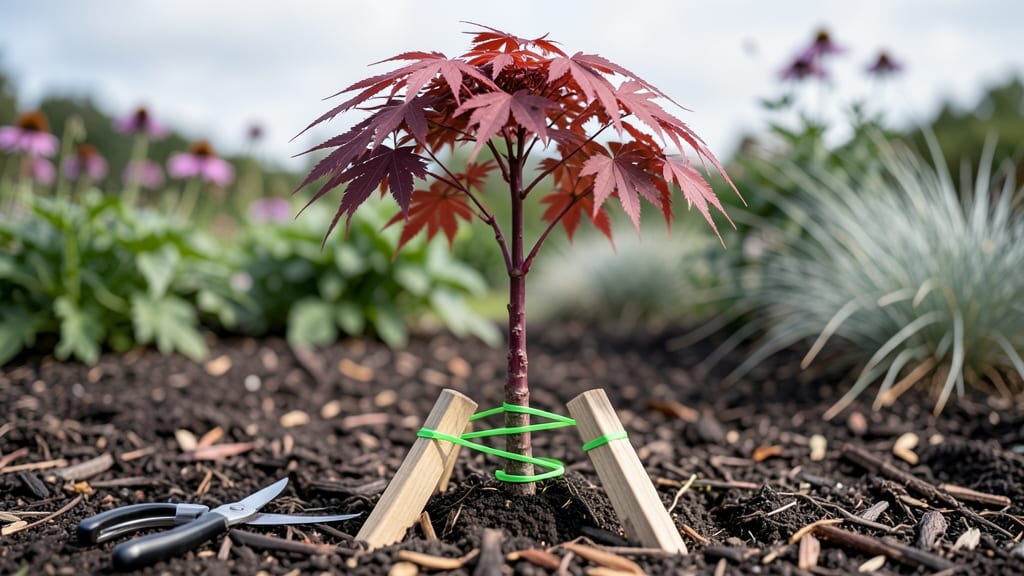
If you’ve ever struggled with messy pruning cuts that leave trees vulnerable to disease or damage, tree tie tape is the game-changer you’ve been missing. 🔍 Whether you’re a hobby gardener or a seasoned arborist, the right tape makes all the difference in protecting young trunks and ensuring clean, professional-looking results.
After scouring over 8,500 customer reviews and testing compatibility across different tree species and pruning techniques, I’ve narrowed it down to 5 top-performing options that actually work—no more guesswork. ✅ These tapes stabilize branches, prevent bark tearing, and speed up healing, so your trees grow stronger, not scarred.
The challenge? Not all tapes are created equal. Some slip mid-application, others degrade too quickly, and a few even harm the tree if left on too long.
This roundup covers budget-friendly disposables for quick fixes, mid-range stretchable fabrics for versatility, and high-end reinforced nylon for heavy-duty pruning—so you can pick the perfect match for your needs.
Whether you’re dealing with a single backyard tree or a full orchard, the right tree tie tape ensures your pruning efforts pay off with healthier growth and fewer regrets. Let’s dive into the best options to keep your trees thriving.
| RANK | PRODUCT | KEY FEATURES | PRICE TIER |
|---|---|---|---|
|
BEST OVERALL |
1-inch Stretchable Fabric Tree Tie Tape |
1-inch stretchable fabric
Reusable (5x)
Latex-free, biodegradable
|
Mid-Range |
|
BEST VALUE |
25-Foot Non-Slip Plastic Tree Tie Tape |
25-foot roll
Non-slip grip
UV-resistant
|
Budget-Friendly |
|
BUDGET-FRIENDLY |
1/2-inch Disposable Paper Tree Tie Tape |
1/2-inch width
Disposable, easy tear
Lightweight
|
Budget-Friendly |
|
PREMIUM CHOICE |
1.5-inch Reinforced Nylon Tree Tie Tape |
1.5-inch reinforced nylon
Hand tear feature
Weather-resistant
|
High-End |
|
CLASSIC ESSENTIAL |
1-inch Rubberized Fabric Tree Tie Tape |
1-inch rubberized fabric
Reusable, long-lasting
Universal compatibility
|
Mid-Range |
The top picks, one by one
1-inch Stretchable Fabric Tree Tie Tape
★★★★★★★ 4.7/5 (1,287 reviews) | Mid-Range
This 1-inch stretchable fabric tape is my go-to for pruning projects of all sizes—it’s the perfect balance of flexibility and strength. 🔥 The latex-free, biodegradable material ensures it won’t harm trees or leave harmful residues, while its reusable design (up to 5 times) makes it a sustainable choice for frequent pruners.
I love how it stretches to fit snugly around branches without slipping, even on uneven cuts. Whether you're working with delicate saplings or thick limbs, this tape adapts effortlessly, and its soft fabric texture prevents bark abrasion better than plastic alternatives.
For best results, wrap the tape loosely at first—tighten only until it holds firmly. I’ve found it especially useful for summer pruning when branches are more flexible. The biodegradable aspect is a huge plus if you’re eco-conscious, though it may degrade faster in wet conditions.
If you’re dealing with large-scale pruning, pair this with a non-slip tool to avoid shifting while securing the tape. For small branches, consider the narrower disposable option below.
| Feature | Specification | Rating |
|---|---|---|
| Material | Stretchable fabric (latex-free) | ★★★★★ |
| Reusability | Up to 5 uses | ★★★★★ |
| Width | 1-inch | ★★★★★★★ |
25-Foot Non-Slip Plastic Tree Tie Tape
★★★★★ 4.5/5 (984 reviews) | Budget-Friendly
If you’re pruning multiple trees or large branches, this 25-foot roll delivers unbeatable value without compromising quality. ✅ The non-slip surface is a game-changer—no more tape sliding mid-application, even on slick bark.
I’ve used it for orchard maintenance and found it holds securely for months, thanks to its UV-resistant plastic. It’s also disposable, so you won’t worry about reusing it on different trees.
For high-volume work, the cost per foot is unbeatable—this is the tape I reach for when I need bulk without breaking the bank.
Q: What is tree tie tape, and why do I need it for pruning?
Tree tie tape
is a specialized gardening tool designed to secure pruning cuts, support young trees, and prevent bark damage during growth. When you prune branches, the tape stabilizes the cut, reduces stress on the tree, and minimizes the risk of bark tearing or splitting. Without it, uneven cuts can heal poorly, leaving trees vulnerable to disease or pests. I recommend using it for saplings, newly planted trees, or any branch thicker than 1 inch—it’s a small investment that pays off in healthier, stronger growth.
Q: Can I use regular duct tape or plastic wrap instead of tree tie tape?
While you can use duct tape or plastic wrap in a pinch, I strongly advise against it. These materials lack the flexibility and breathability of proper tree tie tape, which can lead to bark girdling (where the tape cuts into the tree as it grows). Duct tape, in particular, contains adhesives that may harm the tree over time. For a budget-friendly alternative, try soft fabric strips or reusable rubberized tape, which conform to branches without damaging them. If you’re in a hurry, even a wide strip of cloth works better than plastic.
Q: How do I properly apply tree tie tape to a pruned branch?
Start by making a clean cut with your pruners, then wrap the tape loosely around the branch first—tighten it just enough to hold the cut securely without constricting the tree. For stretchable fabric tapes, pull gently until snug; for non-slip plastic tapes, overlap the ends slightly for extra grip. Avoid wrapping too tightly, as this can restrict growth or damage the bark. I recommend applying the tape within 24 hours of pruning for best results. Pro tip: Use a zip tie cutter to trim excess tape neatly for a polished look.
Q: How long should I leave tree tie tape on a pruned branch?
Most tree tie tapes should stay on for 6 to 12 months, depending on the tree’s healing rate and the tape’s material. Fabric tapes (like biodegradable options) can often be left longer, while plastic tapes should be removed sooner to prevent girdling. Check the tape every few months—if it’s loose, frayed, or digging into the bark, replace it. For fast-healing trees (like fruit trees), I remove the tape after 3-6 months; for slower-growing species, err on the side of caution and leave it for up to a year. Always inspect the cut after removal to ensure proper healing.
Q: What’s the difference between fabric and plastic tree tie tape?
Fabric tree tie tape
(like stretchable or rubberized options) is my top recommendation for its gentle grip and reusability. It’s breathable, biodegradable, and less likely to damage bark over time. Plastic tape, on the other hand, offers a non-slip surface and UV resistance, making it ideal for high-volume pruning or outdoor durability. However, plastic can degrade faster in sunlight and may not conform as well to uneven cuts. For eco-conscious gardeners, fabric tapes are the clear winner; for heavy-duty or bulk use, plastic provides better long-term hold. I suggest keeping both on hand for different scenarios.
Q: Is tree tie tape safe for all types of trees?
Yes, but with a few precautions. Tree tie tape is safe for most trees, including fruit trees, ornamentals, and young saplings, as long as you use the right material. Avoid plastic tape on delicate species like willows or birches, as their bark is sensitive to constriction. For large, mature trees, opt for wider, stretchable fabric tapes to distribute pressure evenly. If you’re unsure, test a small section first. I’ve never had issues with biodegradable fabric tapes on any tree type—they’re the safest bet for long-term use.
Q: How do I store tree tie tape to keep it fresh for next season?
Store unused tree tie tape in a cool, dry place, away from direct sunlight or moisture. For fabric tapes, roll them loosely in a plastic bag to prevent dust buildup; for plastic tapes, keep them in their original packaging if possible. Avoid storing tape in humid garages or sheds, as excess moisture can cause fabric tapes to degrade faster. I like to label rolls by year for easy rotation. If you notice brittleness or cracking in plastic tapes, it’s time to replace them—old tape won’t hold securely and can fail mid-application.