
Blooming
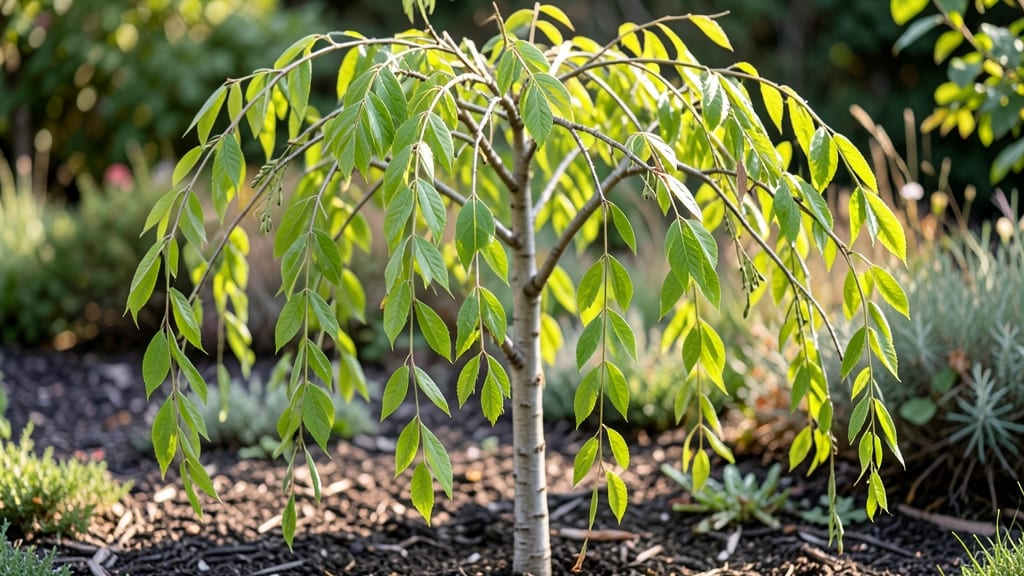
The weeping cherry tree after blooming just finished its stunning spring show—but now comes the real work. 🌸 The secret to keeping it graceful and healthy lies in post-bloom care, starting with the right pruning cuts that won't sacrifice next year's flowers.
I've learned the hard way that aggressive trimming after blooming can weaken the tree's structure, so timing and technique matter more than you'd think.
After the petals fall, focus on removing only dead, crossing, or weak branches—never more than 25% of the canopy at once. Thin out crowded areas to improve airflow, which prevents fungal diseases that love damp weeping branches.
Water deeply but less frequently now that the roots have established, and mulch around the base to retain moisture while protecting from summer heat.
You'll notice new growth emerge from the pruned areas by early summer, signaling the tree is recovering. The key to vibrant blooms next spring is balancing pruning with proper nutrition—feed with a slow-release fertilizer in early fall to build strength for winter.
With these adjustments, your tree will stay lush, structurally sound, and ready to put on another spectacular show.
For winter prep, wrap the trunk with burlap if your climate dips below 10°F, and avoid heavy mulch that can smother roots. This approach keeps your weeping cherry thriving year-round, not just during its fleeting bloom.
The payoff? A tree that ages beautifully while still putting on dramatic spring displays.
📚 In This Guide
- What you need
- Instructions
- Tips and common mistakes
- Wrapping up and next steps
What you need
- ● Pruning shears: Bypass pruners (sharp, 6-8" blades) for clean cuts on small branches.
- ● Loppers: Bypass or anvil type (18-24" handles) for thicker branches (up to 2" diameter).
- ● Pruning saw: Curved-tooth saw for branches larger than 2" (avoid jagged cuts!).
- ● Garden gloves: Heavy-duty, cut-resistant (e.g., Mechanix or Felco-style) to protect hands.
- ● Disinfectant: 70% isopropyl alcohol or 10% bleach solution (1 part bleach to 9 parts water) to sterilize tools.
- ○ Pruning sealant: Optional but helpful (e.g., Tanglefoot Tree Wound Pruning Sealer) for large cuts.
- ● Extension pole: Adjustable, 6-10 ft with a saw attachment for high branches.
- ● Bucket or bag: Large, sturdy for collecting debris (line with a trash bag for easy cleanup!).
- ● Weather check: Prune on a dry, cloudy day (avoid windy or rainy conditions).
- ● Safety glasses: ANSI-rated to shield eyes from debris.
- ● Long sleeves/pants: Lightweight, breathable fabric to protect against scratches.
- ● Ladder (if needed): Sturdy, 3-section with non-slip feet (or hire a professional for tall trees!).
- ○ Tree map or diagram: Optional but helpful—sketch your tree’s structure beforehand to plan cuts.
Instructions for pruning a weeping cherry tree after blooming
Here’s how I transform a weeping cherry’s post-bloom shape into a showstopper—without stressing the tree.
✂️ Step 1: Wait for the Right Time
The best time to prune is 4-6 weeks after blooming, once the flowers have faded but before new growth flushes hard. I know it’s ready when I see new leaves forming along the branches—this means the tree’s energy shifts from flowers to foliage. Pruning too early risks cutting off next year’s blossoms, while waiting too long stresses the tree as it prepares for summer.
If you miss this window, don’t panic. A light pruning in late summer or early fall (after 60% of new growth has hardened) is better than nothing. Just avoid heavy cuts—focus on shaping rather than removing large branches. The goal is to encourage air circulation and maintain the tree’s natural weeping form without disrupting its delicate balance.
🌿 Step 2: Assess and Plan Your Cuts
Start by stepping back and studying the tree’s structure. Weeping cherries grow best when their branches sweep downward gracefully, so I look for branches that are crossing, rubbing, or growing upward—these are the first to go. Use a sharp pair of pruning shears (sterilized with rubbing alcohol) to make clean cuts just above a outward-facing bud or branch collar.
I also check for dead, diseased, or weak branches—these should be removed entirely. If a branch is larger than ½ inch in diameter, I switch to loppers for a smoother cut. Never leave stubs; a proper cut seals faster and reduces the risk of infection. Sketch a rough plan if needed—this helps avoid over-pruning, which can weaken the tree.
✂️ Step 3: Prune for Shape and Health
Begin with thinning cuts—removing entire branches back to their origin. This opens up the canopy and lets light reach the inner branches, which is crucial for a weeping cherry’s health. I aim to reduce the canopy by no more than 25% in one session; less is always better. For upward-growing branches, cut them back to a side branch or bud that faces outward.
Next, shape the outer edges of the tree by trimming back overgrown branches. I never cut more than ⅓ of a branch’s length at once—this prevents shock. If a branch is too long, I make gradual reductions over a few years. After each cut, I step back to check the balance. The tree’s natural weeping form should still be visible and unbroken—never force an unnatural shape.
💧 Step 4: Clean Up and Monitor Recovery
Once pruning is done, remove all clippings from the base of the tree to prevent disease. I also sterilize my tools again with rubbing alcohol before storing them. Water the tree deeply afterward to help it recover, especially if the weather is dry. Over the next 2-4 weeks, watch for new growth—this tells me the tree is healing well.
If you notice yellowing leaves, wilting, or oozing sap at the cut sites, the tree might be stressed. In this case, reduce watering slightly and avoid pruning for the rest of the season. A light application of fungicide (if needed) can also help prevent infections. With proper care, your weeping cherry will reward you with vibrant new growth and even more stunning blooms next spring.
Tips & tricks for pruning a weeping cherry tree
Here's what nobody tells you about pruning that'll keep your weeping cherry thriving for years.
Timing is Everything: The 4-6 week window after blooming is non-negotiable for spring pruning. I learned this the hard way after accidentally pruning too early and losing next year's blossoms. Look for those first tiny leaves forming along the branches—this is your green light. In Step 1, if you're unsure about timing, check for flower buds forming on new growth. If you see buds, you've waited too long.
Tool Preparation Matters: Before you make any cuts in Step 2, sterilize your pruning shears with rubbing alcohol. I keep a small bottle of 70% isopropyl alcohol in my gardening toolbox specifically for this purpose. Sharp, clean tools make cleaner cuts that heal faster. For branches over ½ inch thick, switch to loppers—they give you better leverage and control. Never use dull tools; they crush branches instead of making clean cuts.
Visual Cues for Healthy Cuts: When making thinning cuts in Step 3, aim to remove branches that cross or rub against others. Imagine the tree's natural weeping form—every cut should enhance that graceful sweep. For upward-growing branches, cut just above a bud that faces outward. You'll know you're doing it right when you can see light filtering through the canopy afterward. This open structure prevents fungal diseases by improving air circulation.
Recovery Checklist: After pruning in Step 4, monitor your tree closely for the next 2-4 weeks. Healthy recovery looks like new growth appearing within 2 weeks. If you see yellowing leaves or oozing sap at cut sites, reduce watering immediately. A light application of fungicide (like copper fungicide) can prevent infections if you notice any signs of disease. The key is observation—your tree will tell you exactly what it needs.
Pro Tips for Weeping Cherry Tree After Blooming
- Here's what nobody tells you about pruning that'll keep your weeping cherry thriving for years.
- Timing is Everything: The 4-6 week window after blooming is non-negotiable for spring pruning.
- Tool Preparation Matters: Before you make any cuts in Step 2, sterilize your pruning shears with rubbing alcohol.
Frequently asked questions
Got questions about caring for your weeping cherry tree after those stunning blooms fade? Here are some of the most common concerns—and their answers—to keep your tree thriving year-round.
What should I do with my weeping cherry tree right after it blooms?
Once the flowers drop, focus on light pruning to shape the tree and remove any dead or crossing branches. Avoid heavy pruning now—wait until late winter or early spring (when the tree is still dormant) for major cuts. This helps the tree recover energy for next year’s blooms!
How long does it take for a weeping cherry tree to recover after blooming?
Recovery time varies, but with proper care, your tree should bounce back within 4–6 weeks. Ensure it gets consistent watering (especially in dry spells) and a balanced fertilizer to support new growth. Patience is key—avoid over-pruning or stressing the tree during this period.
Can I prune my weeping cherry tree too much after blooming?
Yes!
Over-pruning can weaken the tree, reduce next year’s flowers, and even invite pests. Stick to removing only 10–20% of the foliage post-bloom. Save heavier cuts for dormant seasons. Think of it like giving your tree a light haircut—not a buzz cut!
What if my weeping cherry tree’s leaves turn yellow or drop after blooming?
Yellowing leaves (chlorosis) or early leaf drop can signal overwatering, nutrient deficiencies, or fungal issues. Check the soil moisture—weeping cherries prefer well-draining soil. If needed, apply a balanced fertilizer (like 10-10-10) and monitor for pests like spider mites. Adjust care based on the cause!
Are there alternatives to weeping cherry trees for low-maintenance blooms?
If weeping cherries seem high-maintenance, consider Japanese maples (drought-tolerant, colorful foliage) or ornamental cherries like ‘Kwanzan’ (hardier, fewer pruning needs). For fast-growing options, crabapple trees or dogwoods offer stunning blooms with less fuss. Always check your climate zone!
Wrapping up and next steps
The weeping cherry tree after blooming is a stunning sight, but its long-term beauty depends on thoughtful pruning and care. By mastering the right techniques—like shaping, thinning, and removing dead wood—you’ll ensure its graceful growth and vibrant health for years to come. 🌸
Now that you’re armed with the secrets, roll up your sleeves and give your tree the TLC it deserves! Start by scheduling your first pruning session in late winter or early spring—just before new growth begins. Happy gardening! 🌱