
Blooming
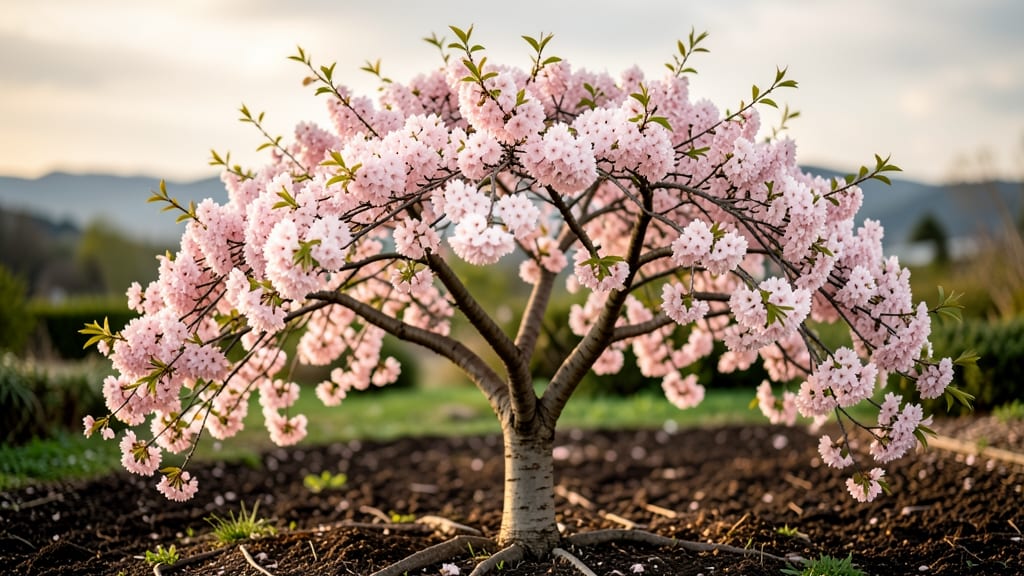
After the Yoshino cherry tree’s breathtaking pink canopy fades, the real work begins. ✨ Pruning after bloom isn’t just about shaping—it’s about setting up next year’s spectacular display while keeping your tree healthy through summer’s heat and winter’s chill.
The key is timing: prune 2-3 weeks after blooms drop, when the tree has finished flowering but before new growth gets too vigorous. This gives you clean cuts without sacrificing next spring’s buds.
A sharp pair of pruners and a ladder (for higher branches) are all you’ll need—no fancy tools required. What you’re left with is a tree that stays lush, disease-resistant, and strong enough to handle another round of blooms.
The branches will fill out evenly, and you’ll avoid the leggy, sparse look that plagues neglected cherries. Summer shade improves too, making your yard more comfortable. For temperate climates, this routine keeps your Yoshino thriving year after year. The secret?
Consistency—prune the same way every season, and your tree will reward you with decades of beauty.
📚 In This Guide
- What you need
- Instructions
- Tips and common mistakes
- Wrapping up and next steps
What you need
- ● Pruning shears – Bypass pruners (sharp, 4- to 6-inch blades) for small branches.
- ● Loppers – 18- to 24-inch handles for thicker branches (up to 2 inches in diameter).
- ● Pruning saw – Curved or folding blade for branches over 2 inches thick.
- ● Disinfectant (70% isopropyl alcohol or bleach solution) – To sterilize tools between cuts.
- ○ Gloves – Heavy-duty, cut-resistant (optional but recommended for thorns and sap).
- ○ Tree wound dressing (optional but helpful) – Pruning sealant for larger cuts (1+ inch diameter).
- ● Ladder or step stool – Sturdy, extendable (if tree is over 6 feet tall).
- ● Heavy-duty trash bags – For collecting pruned branches.
- ● Notebook & pencil – To sketch a pruning plan or note cuts.
- ● Pole pruners – For high branches without a ladder.
- ● Safety glasses – To protect from debris.
- ○ Tree growth regulator – Optional spray to encourage healthier regrowth.
- ● Camera or phone – To document the tree’s progress before/after pruning.
Instructions for pruning Yoshino cherry trees after bloom
Here's the exact method I use to keep my Yoshino cherries thriving after spring blooms.
✂️ Step 1: Time Your Pruning Precisely
Wait until after all blossoms have fallen—typically 4-6 weeks post-bloom—before touching your tree. This timing prevents removing next year's flower buds, which form on old wood. I always prune in late May or early June in my zone 6 climate, but adjust based on when your tree finishes blooming.
Look for brown, brittle petals on the ground as your signal. If you see fresh pink buds forming, you've waited too long. Pruning too early risks cutting off flower buds; too late invites disease from lingering moisture in open wounds.
✂️ Step 2: Remove Dead, Diseased, or Crossing Branches First
Start with sanitized pruners—wipe blades with rubbing alcohol between cuts—to prevent spreading disease. Remove any branches that are dead (no green beneath bark), diseased (mushrooms, oozing sap), or crossing (rubbing against others). These cuts should go back to a healthy outward-facing bud or branch collar.
I cut at a 45-degree angle just outside the branch collar, never leaving stubs. You'll see a slight swelling at the base of each branch—this is where new growth emerges. Removing these problematic branches first opens up the canopy for better airflow and sunlight penetration.
✂️ Step 3: Thin the Canopy for Light and Airflow
Step back and visualize your tree's structure. Aim to remove 20-25% of the total canopy volume by selectively thinning branches from the inside outward. Focus on branches that are too dense or growing inward, which compete for sunlight and create disease-prone shade.
Make your cuts at branch junctions where smaller branches emerge. You'll notice the tree naturally forms an open, vase-like shape. Avoid "lion-tailing"—cutting back to a stub—unless you're rejuvenating an overgrown tree. Instead, cut back to a healthy lateral branch or bud.
✂️ Step 4: Shape and Maintain the Natural Form
Yoshino cherries have a graceful, rounded shape. Use your pruners to refine the silhouette by shortening overly long branches by 1/3 of their length. Always cut just above an outward-facing bud to encourage growth in the right direction.
I avoid heavy pruning on young trees—focus on removing only water sprouts and suckers that pop up from the trunk or base. For mature trees, you can be slightly more aggressive with shaping, but never remove more than 25% of the canopy in one season. This prevents shock and maintains flower production.
💧 Step 5: Clean Up and Protect the Tree
After pruning, sterilize your tools again and clean up all debris from the base of the tree. This prevents fungal spores from overwintering. I also apply a thin layer of mulch around the drip line (the edge of the tree's canopy) to protect roots and retain moisture.
Water deeply right after pruning to help the tree recover. Avoid fertilizing immediately—wait until 6 weeks after pruning to give the tree time to heal. You'll see fresh, vibrant green leaves emerge within 2-3 weeks if everything is done correctly.
Tips & tricks for pruning Yoshino cherry trees after bloom
These practical insights will help you prune with confidence and keep your Yoshino cherry tree thriving for years to come.
Timing is Everything: The 4-6 week window after blooms fall is your golden opportunity. I learned this the hard way—pruning too early can remove next year's flower buds, while waiting too long risks disease. Mark your calendar for late May or early June in zone 6 climates, but always check for brown, brittle petals on the ground first. This visual cue tells you exactly when it's safe to prune.
Tool Prep Prevents Problems: Never skip sanitizing your pruners! Wipe blades with rubbing alcohol between cuts to prevent spreading fungal diseases. I keep a small bottle of 70% isopropyl alcohol in my tool bag specifically for this purpose. Also, invest in sharp pruners—dull blades create jagged cuts that heal poorly and invite infections. A clean, sharp cut at a 45-degree angle just outside the branch collar makes all the difference.
Visualize Before You Cut: Step back and study your tree's structure before making any cuts. The goal is to remove 20-25% of the canopy volume while maintaining that beautiful open, vase-like shape. Focus on branches growing inward or crossing others—they compete for sunlight and create disease-prone shade. Think of it like editing a photograph: you're removing elements that distract from the overall composition.
Bud Direction Matters: Always cut just above an outward-facing bud when shaping branches. This simple technique encourages new growth in the right direction, maintaining your tree's natural form. I mark the location of these buds with a piece of tape before making cuts—it's a small habit that prevents costly mistakes. Remember, you're not just pruning branches; you're sculpting the tree's future growth pattern.
Pro Tips for Yoshino Cherry Tree After Bloom
- These practical insights will help you prune with confidence and keep your Yoshino cherry tree thriving for years to come.
- Timing is Everything: The 4-6 week window after blooms fall is your golden opportunity.
- Tool Prep Prevents Problems: Never skip sanitizing your pruners!
Frequently asked questions
What’s the best time to prune a Yoshino cherry tree after it blooms?
Prune your Yoshino cherry tree immediately after blooming (late April to early May in most regions) to avoid cutting off next year’s flower buds. Wait until all petals have fallen—this ensures you’re not sacrificing spring’s stunning display. Avoid heavy pruning in late summer or fall, as it can stimulate weak growth prone to winter damage.
Can I prune a Yoshino cherry tree too much after bloom?
Yes! Over-pruning weakens the tree and reduces flowering. Remove only dead, crossing, or outward-growing branches (no more than 20-25% of the canopy). Focus on opening the center for airflow and light. If you accidentally prune too much, the tree may struggle to bloom next year—patience and light touch are key!
What should I do if my Yoshino cherry tree isn’t blooming well after pruning?
Poor blooming often stems from over-pruning, nutrient deficiencies, or lack of sunlight. Check for balanced fertilization (high in potassium and phosphorus) and ensure the tree gets 6+ hours of sunlight daily. If branches are too dense, thin them further to improve air circulation. Young trees may need 3-5 years to establish strong blooms.
Are there alternatives to pruning Yoshino cherry trees after bloom?
While pruning is essential for long-term health, you can lightly shape branches without heavy cuts. Remove only deadwood or water sprouts to maintain aesthetics. For minimalists, focus on selective thinning to reduce disease risk (like powdery mildew) without sacrificing blooms. Mulching and deep watering also support recovery post-bloom.
How do I protect my Yoshino cherry tree from pests or disease after pruning?
Pruning wounds can attract pests like borers or fungi. Seal cuts with pruning sealant (optional but helpful) and sterilize tools with rubbing alcohol between cuts. Monitor for aphids or spider mites—spray with horticultural oil if needed. Ensure good airflow by avoiding overcrowded branches, and remove fallen petals/debris to prevent fungal growth.
Wrapping up and next steps
The Yoshino cherry tree after bloom is a blank canvas waiting for your touch—with the right pruning, you can transform it into a stunning year-round centerpiece! 🌿 By following these steps, you’ll encourage healthier growth, breathtaking blossoms next season, and a tree that stays vibrant even after its famous spring show. Now’s your chance to roll up your sleeves and give your tree the care it deserves!
Ready to take action? Start small:
- Pick one section of your tree to prune this weekend.
- Grab your tools and follow the guide—you’ve got this!
- Share your progress (or questions!) with fellow cherry tree lovers for extra support.