
Pests and Diseases
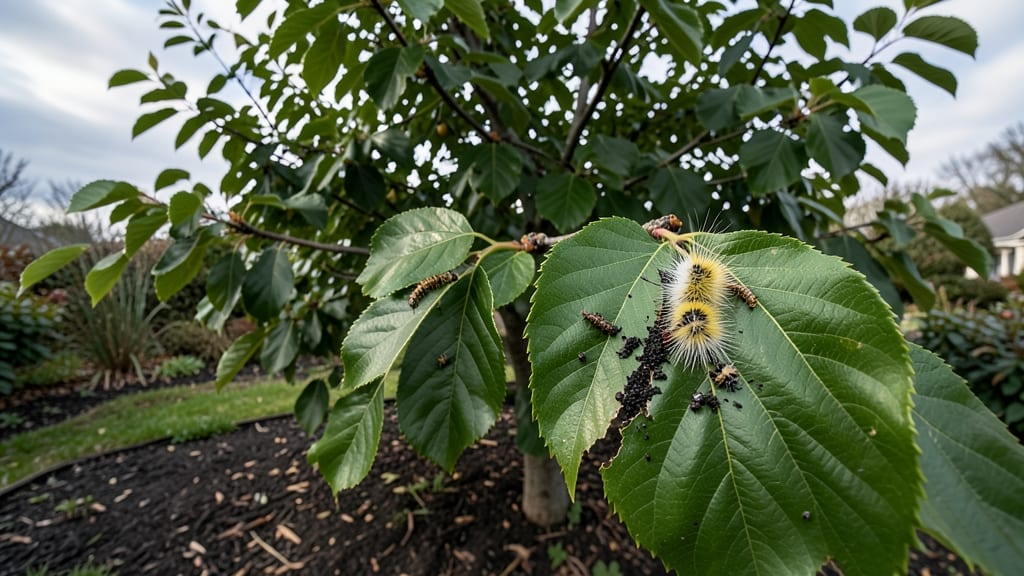
What is eating your cherry tree leaves? The once-lush branches now look like a skeleton—no mystery, just hungry pests. 🌿 I’ve seen this before, and the good news is, most leaf-eaters are easy to spot (and stop) with the right know-how.
From fuzzy caterpillars to tiny beetles, these 10 culprits are the usual suspects, and we’re breaking down how to outsmart them without harsh chemicals.
The damage isn’t just cosmetic—it weakens your tree, making it vulnerable to disease. But here’s the thing: many of these pests thrive in specific seasons (think late spring for tent caterpillars or summer for Japanese beetles), so timing your response matters.
A quick inspection now could save your harvest—or at least your tree’s dignity.
You’ll learn to identify each pest by its telltale bite marks, then use targeted organic fixes like neem oil, beneficial insects, or simple physical barriers. No more guessing games—just a step-by-step plan to reclaim your tree’s leaves (and your peace of mind).
Whether you’re dealing with a backyard cherry or a prized ornamental, these methods work for both edible and decorative trees. Let’s get your tree back to its full, leafy glory—naturally.
Root Causes Behind Leaf Loss
When your cherry tree’s leaves start disappearing, it’s rarely a random act of nature—it’s usually a deliberate, survival-driven behavior by hungry pests or opportunistic pathogens. Understanding the why behind the damage is the first step to stopping it.
Below, we break down the key triggers, from biological instincts to environmental stress, that turn your tree into an all-you-can-eat buffet. 🍃🐛
Pests like caterpillars, beetles, and mites don’t just accidentally munch on leaves—they’re following chemical cues and environmental signals that scream, *“All-you-can-eat feast here!” Here’s how it happens:
- Pheromone Trails: Many pests (e.g., Orgyia leucostigma, the eastern tent caterpillar) release pheromones to attract mates—and more eaters. A single female can trigger a 100x population boom in days. 🔥
- Host Plant Preference: Cherry trees (Prunus avium) produce volatile organic compounds (VOCs) that pests detect from up to 100 feet away. If your tree is young, stressed, or nutrient-deficient, it emits even stronger “eat me” signals. 🌡️
- Weather Windows: Pests like the Japanese beetle time their hatching to peak leaf tenderness (spring/summer). A warm, dry spell? Beetle buffet mode activated. ⏳
Pro Tip: 💡 If you spot skeletonized leaves (veins left intact), it’s likely Japanese beetles or leafhoppers. These pests clip leaves like scissors, leaving a telltale lace pattern.
A healthy cherry tree is nature’s fortress, but stress weakens its defenses. When your tree is compromised, pests see it as an easy target. Common stress triggers:
| Stress Factor | How It Attracts Pests | Fix It Fast |
|---|---|---|
| Nutrient Deficiency (e.g., nitrogen, potassium) | Weak leaves = softer, sweeter snacks. Pests like spotted lanternfly nymphs go for sap-rich stressed trees. | Apply balanced fertilizer (10-10-10) in early spring. Test soil pH—cherry trees thrive at 6.0–6.5. |
| Overwatering/Root Rot | Rotten roots = toxic stress signals that attract borers and fungus gnats. | Let soil dry 2–3 inches deep between waterings. Improve drainage with compost. |
| Physical Damage (e.g., pruning wounds, hail) | Open wounds = entry points for bacterial canker or sawfly larvae. | Seal cuts with pruning sealant. Avoid late-season pruning (invites pests). |
Warning Sign: 🚨 If your tree’s leaves are yellowing between veins (a sign of magnesium deficiency), it’s a magnet for scale insects, which suck sap from weakened tissue.
Pests don’t just show up—they’re cued by the calendar and weather. Here’s how seasons and microclimates turn your tree into a pest hotspot:
- Spring Warmth: As temps hit 50°F+, cherry fruit fly and tent caterpillar eggs hatch. New leaves = prime protein for larvae. 🌱🐛
- Summer Drought: Dry soil forces trees to overproduce sugars in leaves—making them 30% sweeter to pests like Japanese beetles. 💦
- Humid Heat (80°F+): Fungal pests (powdery mildew) and spider mites thrive. Mites explode in populations when humidity hits 70%+ for 3+ days. 🌫️
- Late Fall Rain: Wet leaves create perfect breeding grounds for leafminers, whose larvae burrow into tissue to overwinter. 🍂
Actionable Tip: ✨ Set up weather-based alerts for your region (e.g., NOAA) to predict pest outbreaks 1–2 weeks in advance.
Now that you know why your cherry tree is under siege, the next step is identifying the specific culprit—and we’ve got a detailed pest-by-pest breakdown to help you spot the difference between a caterpillar, a beetle, or a disease in seconds. 🕵️♂️
Fixing Cherry Tree Leaf Damage
Now that you’ve identified the culprit behind your cherry tree’s leaf loss, it’s time to take action! Whether it’s hungry caterpillars, sap-sucking insects, or fungal invaders, each problem has a targeted solution. Below, we’ll match common causes to easy, effective fixes—plus prevention tips to keep your tree thriving.
🔥 Fix It:
- Handpick & Destroy 👨🍳
- Wear gloves and carefully remove caterpillars or egg masses (look for silken webs or rolled leaves).
- Drop them into soapy water or a sealed bag to kill them.
- Neem Oil Spray 🌿
- Mix 1–2 tbsp neem oil + 1 tsp mild soap in 1 gallon of water. Spray early morning or evening to avoid harming bees.
- Reapply every 5–7 days until pests are gone.
- Bacillus Thuringiensis (Bt) 💊
- A natural bacteria that kills caterpillars when ingested. Sprinkle Bt powder on leaves or mix it with water for a spray.
💡 Prevention Tips:
- Prune in late winter to remove old webs or egg clusters.
- Install netting over young trees to block adult moths from laying eggs.
🔥 Fix It:
- Blast Off with Water 💦
- Use a strong hose stream to dislodge aphids or mites from leaves (best for early infestations).
- Insecticidal Soap 🧼
- Spray a homemade mix (2 tbsp castile soap + 1 quart water) or a store-bought version like Safer® Brand Insect Killing Soap.
- Apply directly to undersides of leaves where pests hide.
- Horticultural Oil 🛢️
- Smothers scale insects and mite eggs. Apply in dormant season (late fall/early spring) or when temps are below 90°F.
💡 Prevention Tips:
- Encourage ladybugs & lacewings (natural predators) by planting marigolds or dill nearby.
- Avoid over-fertilizing—soft new growth attracts aphids.
🔥 Fix It:
- Prune & Clean Up ✂️
- Remove all infected leaves and dispose of them in the trash (not compost).
- Sterilize pruners with rubbing alcohol between cuts.
- Fungicide Spray 🛡️
- Use copper fungicide (like Bonide Copper Fungicide) or a baking soda mix (1 tbsp baking soda + 1 tsp soap + 1 gallon water).
- Spray weekly during rainy seasons or high humidity.
- Improve Airflow 🌬️
- Thin out dense branches to reduce moisture buildup.
💡 Prevention Tips:
- Water at the base (avoid overhead sprinkling).
- Space trees properly (3–4 feet apart) for better airflow.
🔥 Fix It:
- Milky Spore or Beetle Traps 🎣
- Apply milky spore bacteria to the soil (takes 2–3 years to establish but lasts decades).
- Use Japanese beetle traps far from your tree (they attract more beetles if placed nearby).
- Handpick & Drop in Soapy Water 🧽
- Fill a bucket with soapy water and shake beetles into it daily (best in early morning).
💡 Prevention Tips:
- Plant trap crops like roses or grapes to lure beetles away.
- Apply neem oil as a deterrent.
🔥 Fix It:
- Beneficial Nematodes 🐛💥
- Soil-dwelling nematodes kill borer larvae. Apply in early spring when soil is moist.
- Tree Banding 🛡️
- Wrap the trunk with sticky tree bands (like Tanglefoot) to trap crawling adults.
💡 Prevention Tips:
- Keep grass trimmed around the tree base to reduce weevil habitats.
- Apply systemic insecticide (like imidacloprid) in early spring for severe infestations.
Regardless of the pest, healthy trees resist damage better. Follow these year-round tips:
- Mulch properly (2–4 inches deep, keep 6 inches from the trunk).
- Water deeply but infrequently (1–2 inches per week).
- Fertilize in early spring with a balanced 10-10-10 or organic compost.
⏰ When to Act?
- Early detection = easier fixes! Check leaves weekly during growing season (spring–fall).
- Act fast with mild infestations—severe cases may need repeat treatments.
With these targeted solutions, your cherry tree should bounce back—and stay pest-free for years to come! 🌳💚
Frequently asked questions
Why do cherry tree leaves get eaten in patches instead of all at once?
Patchy leaf damage usually means caterpillars or beetles are the culprits. These pests often work in groups, starting at the edges of leaves and moving inward. The irregular pattern helps them avoid predators while they feed. If you see silken webs or chewed edges, it’s likely tent caterpillars or sawfly larvae.
Can I use store-bought insecticides on my cherry tree if it's edible?
Use caution! Many chemical sprays have long withdrawal periods for fruit trees. Opt for organic solutions like neem oil or insecticidal soap first. If you must use synthetic pesticides, choose food-safe options (like pyrethrin) and apply them at least 2 weeks before harvest to protect your fruit.
What's the best time of day to treat my cherry tree for pests?
Early morning or late evening is ideal! These are the coolest parts of the day when bees and beneficial insects are less active. Avoid spraying during peak sun hours (10am–4pm), as direct sunlight can burn leaves when mixed with oils or soaps. Always apply treatments on calm, wind-free days.
Will my cherry tree recover if I remove all the pests but leaves are already damaged?
Yes, but it depends on the severity. If only 25% or less of leaves are gone, your tree can regrow foliage quickly. For heavier damage, prune back affected branches to encourage new growth. Young trees may need extra care, while mature trees often bounce back within 4–6 weeks of pest removal.
How do I know if my cherry tree has a disease instead of pests?
Look for these key differences: Diseases often show yellowing, spots, or powdery coatings on leaves, while pests leave irregular holes or chewed edges. Fungal issues (like powdery mildew) create white fuzzy patches, while bacterial spots appear as water-soaked lesions. Check the leaf undersides for pests first!