
Pruning
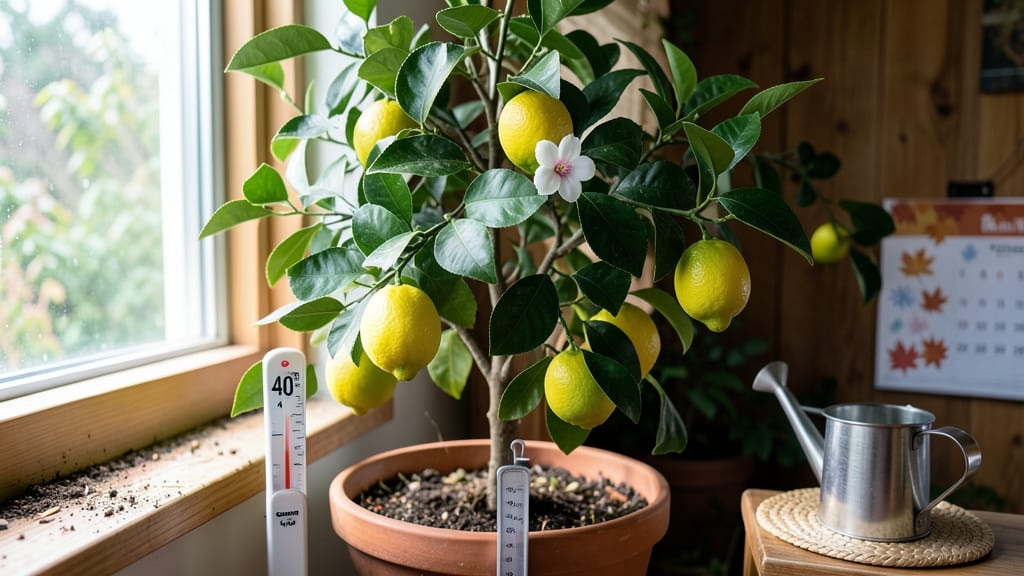
Bringing your Meyer lemon tree 🍋 inside at the right time keeps it thriving through winter—and one wrong move can turn your citrus treasure into a sad, leafless branch.
Your Meyer lemon tree thrives in warmth, but a single late frost could destroy years of growth in minutes. Knowing the exact frost-free timeline for your hardiness zone is the difference between a flourishing citrus tree and a withered disappointment.
In USDA Zone 6, where frost typically arrives by mid-October, you’ll need to act fast—usually by late September—to protect your tree before temperatures dip below 40°F. But timing isn’t just about the calendar; it’s about reading the signs.
Below, I’ll walk you through the critical temperature thresholds, how to prepare your tree for the move, and the best way to transition it indoors without shocking its roots or leaves. Let’s keep that citrus growing strong all year!
Meyer lemon tree frost sensitivity: hardiness Zones and critical temperatures
Your Meyer lemon tree is a tropical beauty that thrives in warmth but struggles when temperatures dip below 40°F (4°C). Unlike hardy citrus varieties, Meyer lemons are sensitive to frost, with critical damage thresholds between 28°F (-2°C) and 32°F (0°C).
Understanding your USDA hardiness zone is key to timing the transition indoors before frost strikes.
In Zone 7, where average annual minimum temperatures hover around 0°F to 10°F (-18°C to -12°C), your tree faces high frost risk by late October. Gardeners in Zone 8 (10°F to 20°F / -12°C to -7°C) have slightly more time, but frost can still arrive by early November.
Meanwhile, Zones 9-11 enjoy milder winters, but even these areas experience light freezes that can damage tender citrus leaves.
Here’s the critical temperature breakdown for frost damage:
- 32°F (0°C): Leaves may show minor browning
- 28°F (-2°C): Severe leaf burn and flower/fruit loss
- 24°F (-4°C): Tree death risk for unprotected plants
Knowing these thresholds helps you act proactively before damage occurs.
In Zone 7, where frost arrives earliest, I recommend moving your Meyer lemon tree indoors by mid-September. This gives you a 4-6 week buffer before the first frost, allowing time for acclimation to indoor conditions.
For Zone 8, aim to transition by early October—delaying risks leaf scorch or bud drop when temps dip below 40°F (4°C) at night.
Zones 9-11 offer more flexibility, but don’t assume your tree is safe. Even in Zone 10, a 30°F (-1°C) freeze can cause leaf damage. I’ve seen gardeners in Southern California lose entire crops overnight due to unexpected cold snaps.
Always monitor local weather forecasts and prepare to act quickly if frost warnings are issued.
If you’re in Zone 7 or 8, start watching temperatures in late August. Use a thermometer to track nighttime lows—once they consistently drop below 50°F (10°C), it’s time to prepare for indoor transition.
In Zone 9, wait until early October when nights cool below 55°F (13°C). Pro tip: Group potted plants together to create a microclimate that retains warmth longer.
One common mistake is waiting until leaves show frost damage before acting. By then, your tree is already stressed. Instead, use the 10-day rule: if the 10-day forecast predicts temps below 40°F (4°C), move your tree indoors immediately.
This prevents cold shock, which can weaken your plant for
Step-by-step guide to preparing your Meyer lemon tree for indoor transition
Transitioning your Meyer lemon tree indoors requires careful planning to avoid transplant shock and maintain its health. Start preparing 4-6 weeks before your first frost date—this gives your tree time to adjust gradually.
The key is balancing pruning, repotting, and optimizing light and humidity conditions before moving it inside.
I’ve learned from experience that skipping these steps can lead to leaf drop, stunted growth, or even worse, a stressed tree that struggles to recover. By following this checklist, you’ll ensure your citrus tree thrives indoors just as vibrantly as it did outside.
Let’s break it down into actionable steps to make the transition seamless.
-
Step 1: Prune for Health and Indoor Adaptation
Trim dead or yellowing leaves and overcrowded branches to improve airflow. Focus on outer growth to encourage a bushier shape indoors. Use sterilized pruning shears to prevent disease.
-
Step 2: Repot if Roots Are Crowded
Check for root-bound conditions by gently removing the tree from its pot. If roots circle the pot or fill 75% of the root ball, repot into a container 2-4 inches larger with well-draining citrus mix.
-
Step 3: Optimize Light Exposure
Place your tree near a south-facing window for 6+ hours of sunlight daily. If natural light is insufficient, supplement with a grow light (12-14 hours/day) to prevent leggy growth.
-
Step 4: Adjust Humidity Levels
Indoor air is often dry, which can stress your tree. Increase humidity by placing a pebble tray with water nearby or using a humidifier set to 50-60% humidity. Mist leaves 2-3 times weekly for extra moisture.
-
Step 5: Gradually Acclimate to Indoor Conditions
Move your tree indoors 2-3 weeks before frost and place it in a shady spot for the first 3-5 days to reduce shock. Afterward, transition it to its permanent sunny indoor location.
-
Step 6: Monitor and Maintain Indoor Care
Watch for pests (like spider mites) and leaf curl, which are common indoor issues. Water when the top 1-2 inches of soil are dry and avoid overwatering. Fertilize lightly with a balanced citrus fertilizer every 6-8 weeks during winter.
Once your Meyer lemon tree is indoors, keep an eye out for signs of stress, such as yellowing leaves or dropping buds. These could indicate low humidity or insufficient light.
Adjust your care routine as needed—your tree will thank you with lush foliage and abundant fruit all year round.
With these steps, your citrus tree will make the transition smoothly, ensuring it stays healthy and productive even during the colder months. Happy gardening! 🌱🍋