
Container Gardens
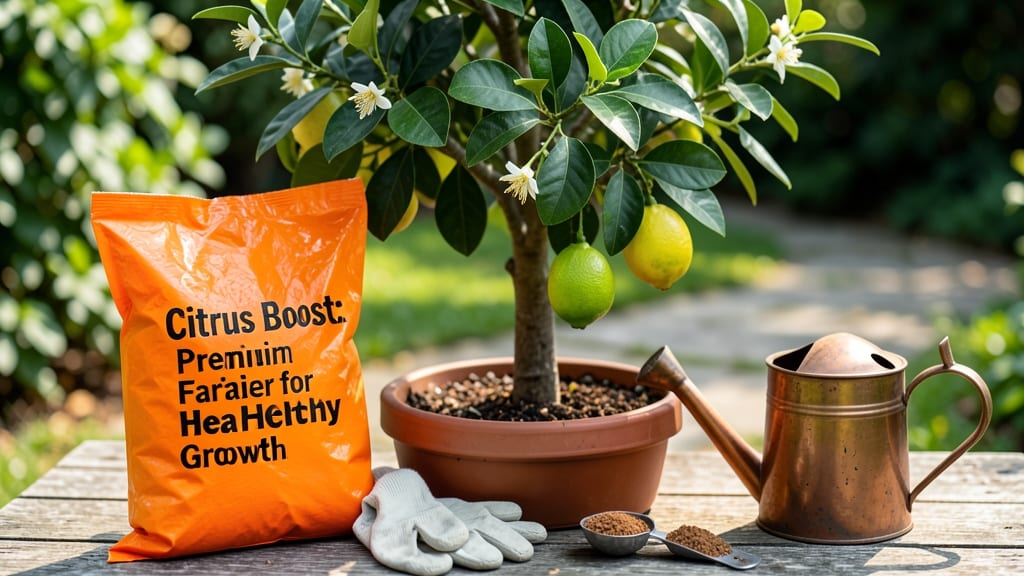
To fertilize a lemon tree in a pot at the right time, aim for early spring and late summer when growth is strongest 🍋—skipping winter and reducing feed in fall.
Your potted lemon tree thrives on the right nutrients—but timing is everything. Fertilize too early or too late, and you’ll stunt growth or even harm your citrus plant. Here’s the exact seasonal schedule to keep your lemon tree in peak health all year.
Citrus trees in containers need balanced nutrition every 4-6 weeks during active growth, but the key is adjusting for indoor vs. outdoor conditions. Too much fertilizer in winter can burn roots, while skipping spring feed means smaller fruit.
Below, I’ll break down the best months to feed, how to spot when your tree needs more (or less), and whether organic or synthetic fertilizers work best for potted citrus.
Best months to fertilize lemon tree in pots for maximum growth
Timing your lemon tree’s fertilizer schedule is the secret to lush foliage and bountiful fruit. In pots, citrus trees grow differently than in-ground plants—they need balanced nutrition during active growth but rest in winter.
I’ve grown potted lemons for years, and I’ve learned that spring and late summer are the golden windows for feeding, while winter is strictly a no-fertilizer zone. Let’s break it down by season so you never over- or under-feed your tree.
Your lemon tree’s root system is confined in a pot, which means nutrients deplete faster than in-ground plants. That’s why monthly feeding in spring and summer keeps your tree thriving, but skipping winter fertilizer prevents stress during dormancy.
Even in warm climates, citrus trees slow growth in cooler months—so feed lightly or not at all. Adjust based on your USDA hardiness zone; Zone 9+ gardeners can extend feeding into fall, while Zone 7 and below should stop by October.
| Season | Key Months | Fertilizer Frequency | Notes |
|---|---|---|---|
| Spring | March–May | Every 4–6 weeks | Critical for new growth after dormancy |
| Summer | June–August | Every 6–8 weeks | Reduce frequency to avoid leaf burn |
| Fall | September–October | Light feeding (optional) | Skip in cooler zones; feed lightly in warm climates |
| Winter | November–February | None | Tree is dormant; fertilizing harms roots |
In spring (March–May), your lemon tree wakes up from dormancy and needs a nutrient boost to fuel new leaf and flower production. Start fertilizing 4–6 weeks after last frost—this is when roots resume active growth.
Use a citrus-specific fertilizer with an NPK ratio of 6-6-6 or 8-3-9, and apply it every 4–6 weeks until early summer. I always fertilize in the early morning after watering to prevent root burn.
Summer (June–August) is your tree’s peak growth phase, but it’s also when over-fertilizing causes leaf burn or root damage. Switch to a lighter feeding schedule—every 6–8 weeks—and reduce the amount by half.
If your tree is flowering or fruiting heavily, cut back to once every 8 weeks to avoid stress. In Zone 9+ climates, you can extend feeding into early fall, but stop by September in cooler zones to let the tree prepare for dormancy.
Fall (September–October) is a transition period for potted lemon trees. In warmer climates (Zone 9+), a light feeding in September can support late-season growth, but avoid fertilizing after October 1st in cooler zones.
The goal is to reduce nitrogen (the first number in NPK) to encourage root hardening before winter. If your tree shows signs of yellowing leaves or slow growth, a single light feeding in early fall can help—but don’t overdo it.
Winter (November–February) is non-negotiable downtime for fertilization. Your lemon tree enters dormancy in colder climates (Zone 7 and below), and feeding during this time can burn roots or promote weak growth.
Even in mild-winter zones (Zone 8+), growth slows dramatically, so skip fertilizer entirely. Instead, focus on watering lightly (every 2–4 weeks) and keeping the tree in a bright, cool location (50–60°F).
Adjust your schedule based on your specific climate zone.
For example, in Zone 10+, you might fertilize lightly in November to support continuous growth, but in Zone 6, winter feeding is a hard no. Always check for yellow leaves or stunted growth—these are signs your tree needs nutrients, but leaf burn or white crust on soil means you’ve overdone it.
Flush the soil with water if you suspect over-fertilization.
Pro tip: Use a slow-release fertilizer in spring to avoid monthly applications. I’ve had great success with osmocote pellets mixed into the soil—just follow the package instructions for citrus trees.
For organic gardeners, fish emulsion or worm castings work well in spring and summer, but avoid high-nitrogen organic fertilizers in fall and winter. Balance is key!
Remember, potted lemon trees are hungry but sensitive. Stick to this seasonal schedule, and you’ll see healthier foliage, more blooms, and better fruit production year after year. Happy growing!
Signs your potted lemon tree needs fertilizer (and when to stop)
Your potted lemon tree sends clear signals when it’s hungry for nutrients. Yellow leaves between the veins often mean iron deficiency, while slow growth or small fruit signals a need for nitrogen and phosphorus.
These signs appear when your tree has depleted its soil nutrients after months of growth.
But watch out—over-fertilizing can be just as harmful. Brown leaf tips or crispy edges are classic signs of fertilizer burn, caused by excess salts damaging roots. Your tree might also drop leaves unexpectedly or develop stunted new growth when it’s getting too much food too soon.
Here’s the key: Citrus trees in pots need regular feeding during their active growing season (spring through early fall), but they also need rest. In winter, most potted lemon trees enter dormancy—this is when you should stop fertilizing entirely to avoid stressing the plant.
When to Fertilize Your Potted Lemon Tree
- Spring (March-May): After last frost, use balanced fertilizer (6-6-6 or 8-3-9) to kickstart growth.
- Summer (June-August): Feed every 4-6 weeks with citrus-specific fertilizer to support fruit production.
- Early Fall (September): Light feeding to maintain health before dormancy.
- Late Fall (October-November): Reduce feeding to prepare for dormancy.
- Winter (December-February): No fertilizer—tree is dormant in cooler climates.
- If leaves burn: Stop fertilizing immediately and flush soil with water.
To diagnose nutrient issues, check the leaf color and pattern. Yellowing between veins (but green veins) usually means iron deficiency, while yellowing at leaf edges could indicate chlorosis from overwatering or poor drainage.
For magnesium deficiency, look for interveinal yellowing on mature leaves—this is common in potted citrus.
Environmental factors also play a role. If your tree is indoors with limited sunlight, it may need more frequent feeding (every 3-4 weeks) to compensate for slower growth. Outdoors, adjust based on your USDA zone—cooler zones may need an earlier start to fertilizing in spring.
Pro tip: Always water your lemon tree before fertilizing. This prevents root burn by diluting fertilizer salts. And if you’re unsure, do a soil test—potted soil depletes faster than garden soil, so testing every 6 months keeps your tree thriving without guesswork.