
Plants
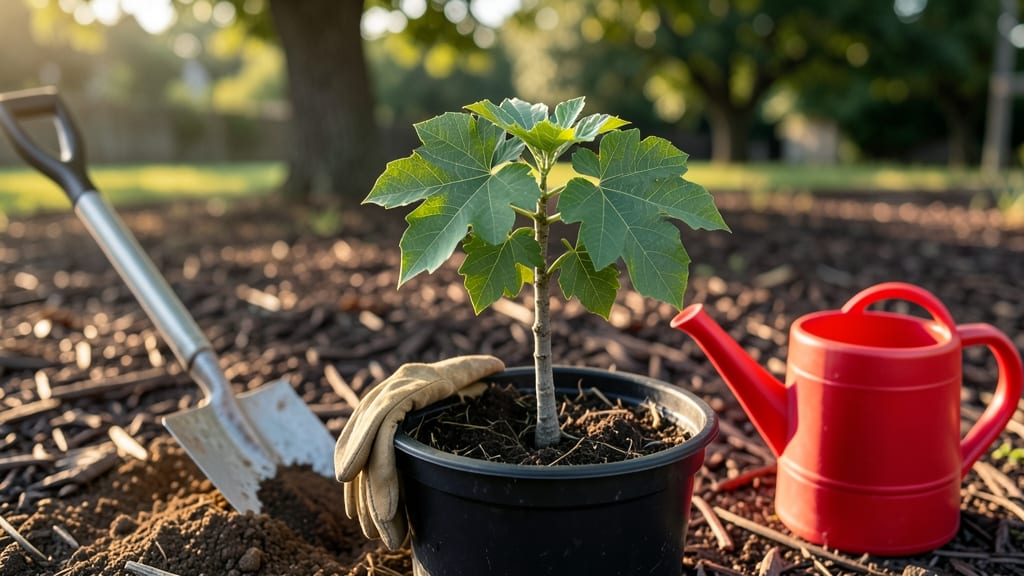
Planting a fig tree in Texas at the right time means the difference between a thriving 🍇 and a struggling sapling.
If you’ve ever watched a fig tree wilt under a late frost or bolt into flower too early, you know timing is everything. In Texas, where zones 8a-10b bring both heat and cold snaps, planting too soon or too late can derail your harvest before it starts.
Here’s the secret: the fastest root establishment happens when you plant after the last frost—typically February-March in North Texas or January-February in South Texas—or 6-8 weeks before the first frost in fall. Avoid the dog days of summer, when heat stress slows growth.
Below, I’ll break down the best months by variety, soil prep tricks for Texas clay, and how to keep your fig tree growing strong from day one.
Best planting months for fig trees in Texas by variety
Texas’s diverse climate—from USDA zones 8a-10b—means fig trees thrive year-round, but timing matters. Plant too early, and cold snaps threaten young roots; too late, and summer heat stresses them.
The best window is late winter to early spring (February-March) or fall (October-November), when soil warms and rainfall supports root growth. Varieties like 'Celeste' (cold-hardy) and 'Brown Turkey' (heat-tolerant) each have ideal months for peak success.
For North Texas (zones 8a-8b), where frost lingers until mid-February, aim for late March planting. In Central Texas (zones 8b-9a), February works, while South Texas (zones 9b-10b) gardeners can plant as early as January.
Fall planting—October-November—gives roots time to establish before winter, but avoid planting too close to the first frost (typically November 15 in North Texas).
Here’s a quick guide to optimal planting months by variety and zone:
| Variety | Best Planting Months | Zone Fit | Key Notes |
|---|---|---|---|
| 'Celeste' | February-March (spring) or October (fall) | 8a-9a | Cold-hardy; tolerates 20°F brief dips. |
| 'Brown Turkey' | January-February (South TX) or March (North TX) | 8b-10b | Heat-loving; avoid planting before 50°F soil. |
| 'Black Mission' | February (spring) or November (fall) | 9a-10b | Drought-tolerant; needs well-draining soil. |
| 'Desert King' | January-February (anywhere in TX) | 8a-10b | Fast-growing; plant early for summer shade. |
Spring planting (February-March) gives fig trees 6-8 weeks of warm soil before summer heat peaks. This is ideal for 'Celeste' and 'Black Mission', which need time to establish roots before Texas’s 100°F+ summers.
For 'Brown Turkey', which thrives in heat, early spring planting ensures it doesn’t wilt during April-May droughts.
Fall planting (October-November) is my top recommendation for North and Central Texas. The 60-70°F soil in October encourages root growth without summer stress.
Plant 6-8 weeks before frost—so mid-October in North Texas and late October in Central Texas—to avoid winter dieback. 'Desert King' is a standout for fall planting because it matures quickly, giving you shade and fruit by next summer.
If you’re in South Texas (zones 9b-10b), you’ve got flexibility. Plant 'Brown Turkey' or 'Desert King' as early as January—they’ll handle the mild winters. Just avoid planting during peak summer (June-August), when 95°F+ soil can shock roots.
Instead, wait for September, when temps drop slightly and humidity rises, easing transplant stress.
Pro tip: Container planting extends your window in colder zones. Move potted figs indoors (60°F+) during frost or wrap young trees with burlap for 20-25°F protection. This lets you plant 'Celeste' in zone 8a as late as April if needed.
Regardless of variety, soil temperature is your best guide. Use a soil thermometer—fig roots struggle below 50°F. In North Texas, wait until soil hits 60°F (usually late March); in South Texas, 55°F is fine (January).
Mulch with 3-4 inches of wood chips to keep roots cool in summer and warm in winter.
Timing isn’t just about months—it’s about microclimates. A west-facing slope in zone 8a might be 10°F warmer than a north-facing yard, letting you plant 'Celeste' a week earlier. Observe your space: urban heat islands (like paved areas) can push planting back by 2-3 weeks.
Finally, avoid planting during droughts. Texas’s April-May dry spells can kill young figs. Check the National Drought Monitor—if your area is in D1-D2 drought, delay until June rains arrive.
With the right timing, your fig tree will reward you with harvests in 1-2 years—not the 5+ years some gardeners wait for.
How to prepare your Texas soil for fig tree success
Texas soil can be a double-edged sword for fig trees—rich in nutrients but often heavy with clay or alkaline pH levels. Without proper prep, your fig tree may struggle to establish roots, leading to stunted growth or even death.
The key is creating a well-draining, slightly acidic environment that mimics the Mediterranean conditions figs thrive in.
Start by testing your soil’s pH level and drainage at least 4-6 weeks before planting. Most fig trees prefer a pH between 6.0 and 7.0. If your soil tests higher (common in Texas), you’ll need to amend it to avoid nutrient lockout.
For drainage, dig a hole twice as wide as the root ball and fill the bottom with a mix of sand or gravel to prevent waterlogging.
⚠️ callout warning
To lower pH, mix in sphagnum peat moss or composted pine bark into the planting hole. For clay-heavy soil, blend in coarse sand or perlite to improve aeration. Aim for a 60/40 mix of native soil to amendments to avoid overwhelming the tree’s root system.
Work these amendments into the top 12 inches of soil where roots will spread most actively.
Fig trees also benefit from a 2-3 inch layer of mulch around the base (but not touching the trunk) to retain moisture and regulate soil temperature. Use wood chips or straw, avoiding grass clippings, which can compact soil.
Replenish mulch annually as it breaks down. This step is critical in Texas’s hot summers and dry spells to keep roots hydrated.
If your yard has poor drainage, consider planting your fig tree in a raised bed or container, especially in low-lying areas where water pools. Containers also give you control over soil composition, which is ideal for urban gardens or areas with heavy clay.
Just ensure the container has drainage holes and is at least 18 inches deep to accommodate root growth.
Finally, water deeply once a week for the first 4-6 weeks after planting to encourage root establishment. Avoid overwatering, which can drown roots in Texas’s dense soils. Monitor soil moisture by sticking your finger 2 inches deep—if it’s dry, it’s time to water.
With these steps, your fig tree will thrive in even the toughest Texas soil conditions.