
Plants
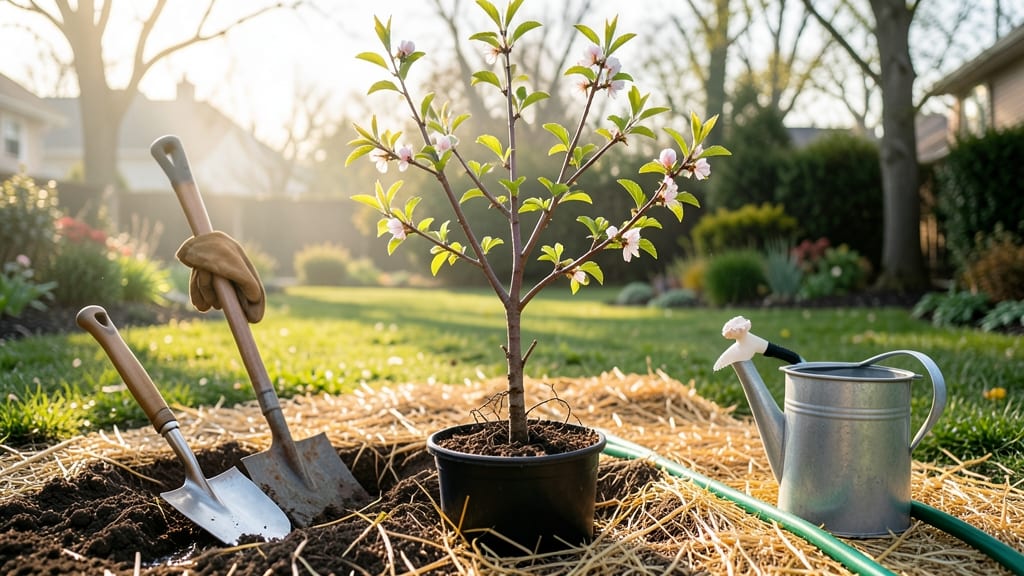
To plant a peach tree in Texas, aim for late winter to early spring when soil temperatures rise above 60°F—this timing ensures strong root growth before summer heat arrives.
Texas’s varied chill-hour zones and unpredictable frost dates make this a tricky balance. In North Texas, where winters linger, February planting works best, while South Texas gardeners can push into March. Miss the window, and your 🍑 tree may bolt too soon or struggle with transplant shock.
Beyond frost dates, soil prep and variety choice matter just as much. The right peach tree for your region—like cold-hardy ‘Bonanza’ in Zone 8a or heat-tolerant ‘Redhaven’ in Zone 10b—can mean the difference between a thriving orchard and a sad, stunted tree.
In this guide, I’ll walk you through the exact chill-hour zones, frost-free timing, and soil tricks that keep Texas peach trees happy for decades. No guesswork—just sweet, reliable fruit.
Best planting months in Texas based on chill-hour zones
Texas spans USDA Zones 7-10, creating a unique challenge for peach tree growers. Unlike northern states, Texas' chill-hour requirements vary dramatically—from 500+ hours in North Texas to 300 hours or less in South Texas.
This means selecting the right peach variety and planting at the perfect time is critical for fruit production.
In North Texas (Zones 7b-8a), where winters provide enough chill, you can plant bare-root trees in late winter (February). However, South Texas (Zones 9a-10b) demands low-chill varieties planted in early spring (March-April) to avoid heat stress. Let’s break down the best planting windows for each region.
Chill hours measure winter cold exposure needed for peach trees to produce fruit. Most commercial varieties require 400-800 chill hours, but Texas’ mild winters often fall short. Low-chill varieties (300-400 hours) thrive in South Texas, while moderate-chill varieties (500-700 hours) suit North Texas.
| Texas Region | USDA Zone | Chill Hours | Best Planting Month | Peach Variety Examples |
|---|---|---|---|---|
| North Texas | 7b-8a | 500-800 | Late February - Early March | Redhaven, Elberta, Reliance |
| Central Texas | 8a-8b | 400-500 | March | Bonanza, Flordagold, Contender |
| South Texas | 9a-10b | 300-400 | March - April | Tropic Beauty, Tropic Snow, Tropic Glo |
For North Texas gardeners, planting in February gives roots time to establish before the growing season. Central Texas benefits from March planting, aligning with rising soil temperatures (ideal: 60°F+). Meanwhile, South Texas’ mild winters make April planting safer to avoid summer heat stress.
Always check your last frost date—North Texas averages February 15, while South Texas sees frost as early as January 1. Planting 4-6 weeks before the last frost ensures your tree isn’t shocked by cold snaps. Use mulch (3-4 inches) to regulate soil temperature and retain moisture.
Container planting is ideal for South Texas’ heat. Choose 5-gallon pots with drainage holes and plant in late winter to transition outdoors in spring. Dwarf varieties like Bonanza (400 chill hours) adapt well to pots and urban spaces.
Soil prep is non-negotiable. Texas’ clay-heavy soils drain poorly—amend with compost and sand for aeration. Test pH (6.0-7.0) and add lime if needed. A well-draining site prevents root rot, especially in South Texas’ summer downpours.
After planting, water deeply 2-3 times weekly for the first month. Reduce to weekly deep waterings once established. Mulch annually to lock in moisture and suppress weeds. Prune in late winter to remove dead wood and open the canopy for sunlight.
Remember: Peach trees need cross-pollination. Plant at least two compatible varieties for fruit set. In Texas, Redhaven + Elberta (North) or Tropic Beauty + Tropic Snow (South) pair well. Avoid self-pollinating varieties like Bonanza unless you plant multiple trees.
With the right timing and variety, your Texas peach tree can thrive—yielding juicy fruit for decades. Start now, and you’ll enjoy homegrown peaches by next summer! 🍑
Avoiding frost: how to time planting for Texas’ unpredictable weather
Texas’ unpredictable frost patterns can make or break your peach tree planting success. Unlike northern states, Texas frost dates shift dramatically—from mid-February in North Texas to January in South Texas.
Planting too early risks frost damage to tender roots, while waiting too long delays root establishment during critical spring growth.
My strategy? Focus on soil temperature (aim for 60°F+) and microclimate factors like urban heat islands. These adjustments help your tree bounce back faster from transplant shock and thrive in Texas’ variable climate.
⚠️ callout warning
Urban areas like Austin or Dallas stay 5-10°F warmer than rural zones at night. Plant 2-3 weeks later in cities to avoid late-spring frosts that hit countryside first. Always check local frost-free dates via Texas A&M AgriLife maps.
First, verify your last frost date using the USDA Plant Hardiness Zone Map for Texas. For example, Zone 8a (North Texas) typically sees frost until February 15, while Zone 9b (South Texas) may escape frost entirely.
Plant 4-6 weeks before your area’s average last frost to give roots time to anchor before summer heat.
Next, test soil temperature with a soil thermometer—wait until it consistently stays above 60°F at 6-inch depth.
In East Texas, this might mean planting in late March, while West Texas can start as early as February. Cooler microclimates (like hilltops) need extra caution—delay planting by 1-2 weeks.
For container-grown peach trees, adjust timing further: their roots warm faster in pots. Plant them 1 week earlier than bare-root trees to compensate. Always water deeply before transplanting to reduce shock, and mulch heavily (3-4 inches) to insulate roots from temperature swings.
Finally, monitor weekly forecasts for unusual cold snaps after planting. If frost threatens, cover young trees with frost cloth or burlap sacks—especially in North Texas’ Zone 7b, where late frosts can linger into March.
With these steps, your peach tree will establish strong roots before Texas’ scorching summers arrive. 🌱