
Plants
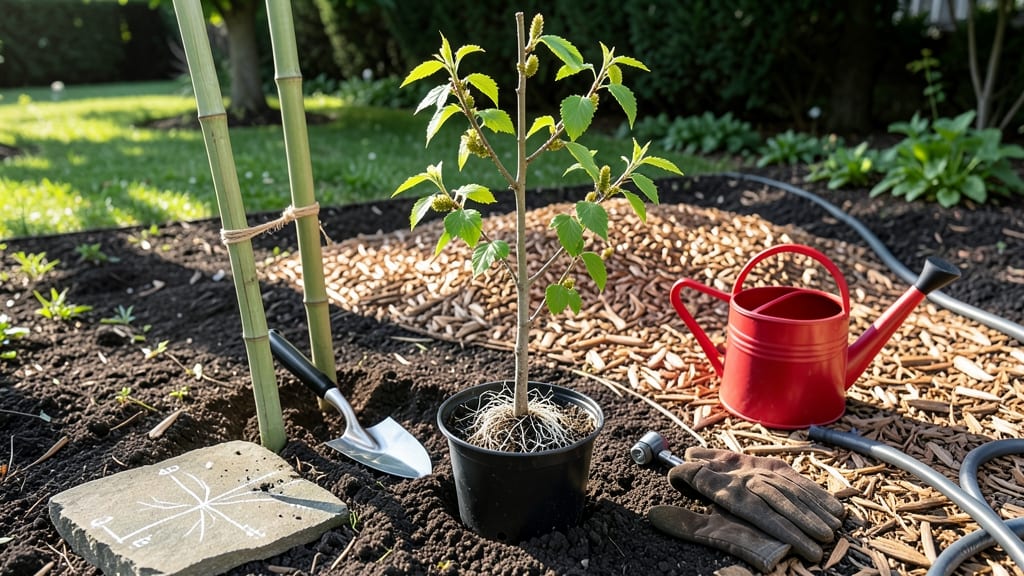
Best months to plant trees in Colorado by climate Zone
Colorado’s diverse climate zones create unique planting windows for trees. Whether you’re in the Front Range, Western Slope, Eastern Plains, or Mountain regions, timing your tree planting right ensures strong root establishment and long-term success.
The ideal window is typically late winter to early spring or fall, but exact months vary by elevation and microclimate.
In USDA Zones 5-7, most Colorado regions experience last frost dates between mid-April and early June, while first frosts arrive as early as September in high elevations.
Soil temperatures and moisture levels play critical roles—cool, damp soil in spring or warm, moist soil in fall gives young roots the best start. Let’s break down the best months for each zone to maximize your tree’s survival and growth.
| Climate Zone | Best Planting Months | Soil Temp | Moisture Needs | Key Considerations |
|---|---|---|---|---|
| Front Range (Denver, Boulder) | March-April or September-October | 45-65°F (7-18°C) | Moderate (water deeply after planting) | Avoid late frosts; mulch heavily |
| Western Slope (Grand Junction, Durango) | February-March or August-September | 50-70°F (10-21°C) | Low (drought-tolerant species preferred) | Watch for early fall frosts at higher elevations |
| Eastern Plains (Pueblo, Lamar) | April-May or October-November | 55-75°F (13-24°C) | Moderate (wind protection recommended) | Strong winds require staking young trees |
| Mountain Regions (Aspen, Vail) | May-June or July-August | 40-60°F (4-15°C) | High (snowmelt critical for moisture) | Short growing season; choose cold-hardy species |
For the Front Range, including cities like Denver and Boulder, the best months to plant trees are March-April or September-October. This zone benefits from moderate soil temperatures and consistent moisture, making it ideal for both deciduous and evergreen species.
If you plant in spring, aim for after the last frost date (typically mid-April) to avoid root damage from freezing. Fall planting should wrap up by mid-October to allow roots to establish before winter dormancy.
In the Western Slope, which includes Grand Junction and Durango, the drier climate shifts the ideal planting window slightly earlier. February-March or August-September are your best bets. This region’s warmer, drier soil means you’ll want to focus on drought-tolerant species like Rocky Mountain Juniper or Pinyon Pine.
Always water deeply after planting to encourage root growth in the arid conditions.
The Eastern Plains, covering areas like Pueblo and Lamar, experience strong winds and lower humidity, which can stress young trees.
Planting in April-May or October-November gives saplings time to establish before extreme weather. Staking young trees is often necessary to prevent wind damage, and mulching helps retain moisture in the sandy soils common to this region.
High-altitude Mountain regions, such as Aspen and Vail, have the most limited planting windows due to short growing seasons and late frosts. Your best options are May-June or July-August, when soil temperatures are consistently above 40°F (4°C).
Choose cold-hardy species like Engelmann Spruce or Subalpine Fir, and rely on snowmelt for moisture during the dormant season.
Regardless of your Colorado climate zone, always amend your soil with compost or organic matter before planting to improve drainage and fertility. Deep watering after planting—10-15 gallons for young trees—helps roots establish quickly. Mulch around the base (but avoid touching the
How Colorado’s microclimates affect tree planting success
Colorado’s dramatic elevation changes—from sea-level equivalents in the San Luis Valley to 14,000-foot peaks—create wildly different growing conditions. These microclimates dictate whether your tree thrives or struggles, with frost dates and drought risks shifting dramatically across just 50 miles.
For example, Denver’s Front Range (Zone 5-6) has a last frost around April 15, while Grand Junction’s Western Slope (Zone 7-8) can plant until November 1 without frost risk.
Elevation isn’t the only factor—urban heat islands in cities like Colorado Springs can push planting windows later, while high-desert areas near Fort Collins demand earlier fall prep. Even soil moisture varies: clay-heavy Front Range soils hold water longer than the sandy loam of the Western Slope, affecting root establishment.
Understanding these nuances ensures your tree gets the optimal planting window for survival.
🌡️ Critical Timing Mistakes in Colorado
Planting too early in spring risks late frosts (common in Zone 5 areas), while planting too late in fall leaves roots vulnerable to winter desiccation. In high-elevation zones (6,000+ ft), aim for September 15–October 15; in lower elevations (4,000–6,000 ft), extend to November 1. Drought-prone areas like the Western Slope need extra soil moisture before dormancy.
Spring planting in Colorado works best when soil temperatures reach 50°F (10°C), typically by mid-April in Denver but as late as May 1 in high-altitude Boulder. For fall planting, the goal is to give roots 6–8 weeks to establish before first frost.
In Grand Junction (Zone 7), this means planting by October 15, while Telluride (Zone 5) must finish by September 30. Evergreens like Colorado Blue Spruce benefit from fall planting to reduce transplant shock, whereas deciduous trees (e.g., Hackberry) can handle spring better.
Drought is another microclimate wildcard. The Western Slope sees less than 12 inches of rain annually, making deep watering critical after planting. In contrast, Pueblo’s Eastern Plains gets 16+ inches, reducing irrigation needs.
Always mulch heavily (3–4 inches) to retain moisture, but avoid volcanic rock mulch in high-desert areas—it reflects heat and inhibits root growth. Native species like Rocky Mountain Juniper handle drought better than non-natives like Bradford Pear.
Wind exposure also varies by region. Open prairie areas near Lamar require windbreaks for young trees, while urban Denver offers shelter from buildings.
If planting in exposed sites, stake trees immediately and use burlap wind guards for the first 2 growing seasons. Container-grown trees (common in nurseries) establish faster than bare-root options, giving you a 2-week buffer in marginal planting windows.
For high-altitude gardens (7,000+ ft), like those near Leadville, prioritize acclimated species (e.g., Engelmann Spruce) and plant 2 weeks earlier than Front Range schedules. These areas have shorter growing seasons and colder soils, so black plastic mulch can warm roots by 5–10°F in spring.
Always check USDA Zone maps and local Cooperative Extension data—Colorado State University’s plant hardiness tools are invaluable for region-specific advice.
Pro tip: Test your soil’s moisture retention before planting.
In sandy soils (common in Grand Junction), amend with compost to hold water; in clay soils (like Denver’s South Platte Valley), add perlite for drainage. Native trees like Quaking Aspen or Ponderosa Pine already adapt to these extremes—choose them for low-maintenance success in Colorado’s unpredictable climate. 🌳