
Plants
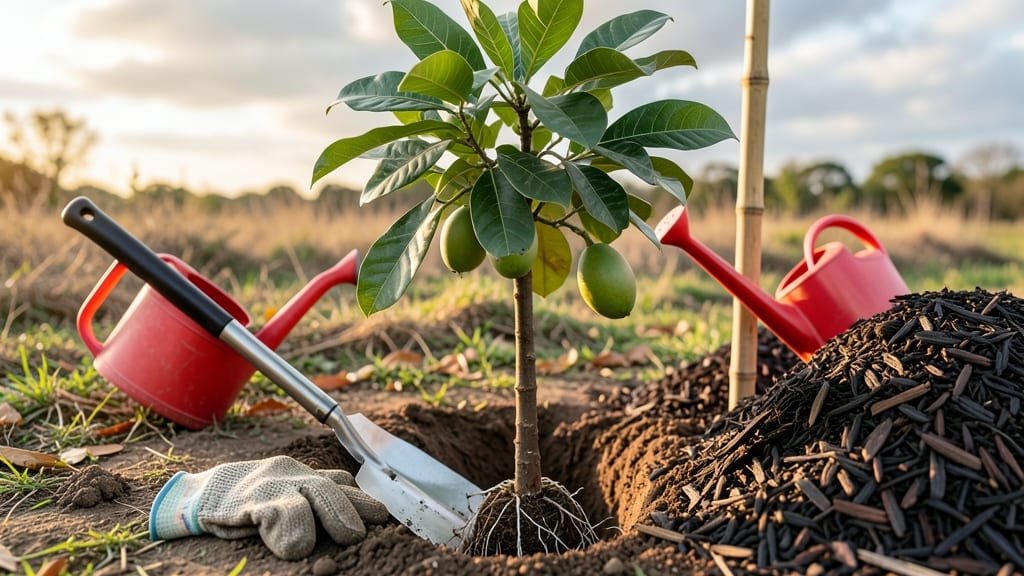
To plant a mango tree in ground at the right time means the difference between a fast-growing tropical giant and a struggling sapling—so timing isn’t just important, it’s critical for root growth and fruit-bearing success.
Picture this: you’ve just brought home your 🥭 mango tree, dreaming of sweet fruit in a few years, only to watch it wilt because you planted it too early in the cooler months.
That’s why knowing your USDA zone matters—whether you’re in frost-free Florida or a marginal subtropical region like Southern California.
In General (Tropical/Subtropical Regions), like Zones 10-11, you can plant year-round, but late winter to early spring (February to March) gives roots the best shot at establishing before summer heat kicks in. For Zones 9b-10, waiting until after the last frost—usually by March—helps avoid transplant shock.
Below, I’ll break down the exact months for your zone, soil prep secrets, and how to tell if your sapling is ready to hit the ground running—so you can skip the guesswork and get straight to growing.
Best planting months for mango trees by USDA climate Zones
Mango trees thrive in warm climates but struggle with cold snaps, so planting timing varies dramatically by USDA zone. In Zones 10-11, you can plant year-round—just avoid heavy rains that cause erosion.
Meanwhile, gardeners in Zones 9-10 must time planting to escape late spring frosts, which can kill young roots. Even microclimates matter: coastal areas stay warmer than inland spots, extending your planting window.
Root establishment hinges on soil temperatures. Mango roots need 65°F+ soil to grow actively—below that, they stagnate. In Zone 10, soil stays warm year-round, but in Zone 9, wait until March-April when daytime temps consistently hit 70°F.
Use a soil thermometer to confirm readiness; 50°F soil or cooler means delayed growth or even root rot.
Frost risk is the biggest threat outside Zone 10. A single 32°F night can blacken leaves and stunt growth. In Zone 9b, aim for February-March planting to give roots a 3-month head start before summer heat arrives.
For Zone 9a, push planting to April—just ensure your nursery sapling has well-developed roots to handle heat stress.
In Zone 10-11, I plant mangoes in late summer (August-September) to align with the wet season. The extra moisture helps roots establish before dry spells hit. For Zone 9b, I’ve had success with February plantings—just mulch heavily to retain soil warmth.
If you’re in a cooler microclimate (like inland Arizona), delay until April and protect young trees with burlap wraps during unexpected cold snaps.
Soil preparation is just as critical as timing. Mango trees hate waterlogged roots, so amend heavy clay with sand and compost to improve drainage. A slightly acidic pH (6.0-7.5) works best. In Zone 11, I mix in perlite to prevent compaction from heavy rains.
For Zone 9, a raised bed can help if your native soil drains poorly—just ensure it’s at least 18 inches deep for root growth.
Watch for root flare exposure when planting. The graft union (where the scion meets rootstock) should sit 1-2 inches above soil level. Burying it too deep causes rot, while leaving it exposed risks sun scald.
In Zone 10, I plant slightly deeper (2 inches) to protect from intense sun, but in Zone 9, I keep it closer to 1 inch to prevent heat stress.
After planting, deep watering is non-negotiable. Give your mango tree 10 gallons of water immediately, then 5 gallons weekly until established. In Zone 11, I reduce to bi-weekly watering once roots spread beyond the root ball, but in Zone 9, I stick to weekly until summer heat arrives.
Always water at the base, not the leaves, to prevent fungal diseases like anthracnose.
Signs your mango tree is ready for ground planting (and when to wait)
Deciding when to plant your mango tree sapling in the ground isn’t just about checking the calendar—it’s about reading your plant’s signals. A well-timed transplant ensures faster root establishment and stronger growth, while rushing can lead to shock or even death.
I’ve learned that root development and leaf maturity are the two biggest clues your mango tree is ready for its forever home.
If you’ve been nurturing your container-grown mango sapling indoors or in a nursery pot, you might be eager to see it thrive outdoors. But before you dig that hole, look for these key readiness signs.
Ignoring them could mean your tree struggles to adapt, stunting its growth for years. Let’s break down what to watch for so you can plant with confidence.
-
1. Roots filling the pot
Gently remove the sapling from its container—if you see roots circling the bottom or growing through drainage holes, it’s time to transplant. Root-bound trees struggle to absorb water and nutrients once planted. -
2. New leaves with vibrant color
Healthy mango tree leaves should be glossy, deep green, and free of yellowing. Pale or wilted leaves signal stress—wait until foliage looks lush and energetic before planting. -
3. Stem thickness of 1/2 inch or more
A thick, sturdy stem (about the diameter of a pencil) means your sapling has developed enough structure to support new growth. Thin stems are more prone to breaking during transplant shock. -
4. Aligning with rainy season
In tropical climates (USDA Zones 10-11), plant during the start of monsoon rains (June-August). In subtropical zones (9-10), aim for late winter to early spring (February-March) when soil is moist but not waterlogged. -
5. Soil temperature above 60°F
Use a soil thermometer to confirm the ground is warm enough. Cold soil slows root growth—wait until temperatures consistently stay above 60°F (15°C) for at least a week.
Timing isn’t just about the plant—it’s also about the weather conditions in your area. If you’re in a frost-prone zone (like Zone 9), avoid planting until after the last frost date, usually late March or April.
Even a light frost can damage young mango trees, causing leaf burn or stunted growth. I once planted a sapling too early in South Florida, and a surprise frost in February set it back for months.
Don’t overlook the moisture levels in your soil. Mango trees hate soggy roots, so avoid planting after heavy rains unless your soil drains exceptionally well.
If your area is experiencing drought conditions, hold off until you’ve had consistent rainfall or plan to deep-water regularly for the first month after transplanting. A well-hydrated root system adapts to ground planting much faster.
If your mango sapling still has small, sparse roots or leaves that look weak and yellow, it’s not ready yet. Keep it in its container for another 4-6 weeks and increase sunlight exposure gradually.
Patience here pays off—rushing the transplant often leads to transplant shock, where the tree struggles to recover for months. I’ve seen gardeners skip these signs and end up with trees that take years to recover instead of thriving.
Once you’ve confirmed all five signs, mark your calendar for early morning or late afternoon planting to minimize stress. Water deeply before and after transplanting, and mulch around the base to retain moisture.
With the right timing, your mango tree will establish roots in 4-6 weeks and start growing like a tropical powerhouse. 🌱