
Trees
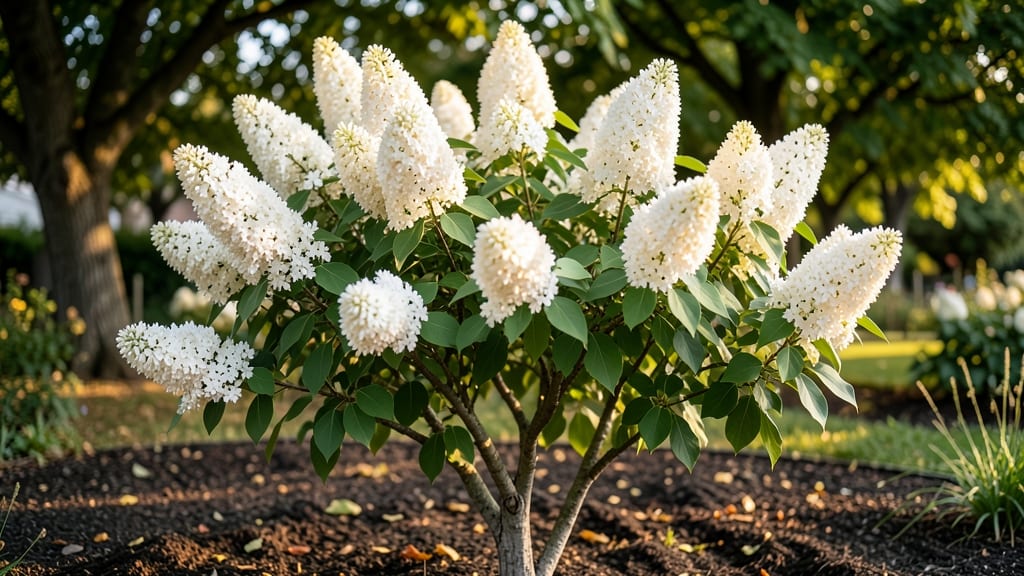
Your lilac tree’s white leaves aren’t just a cosmetic issue—they’re a cry for help. 🌿 Whether it’s powdery mildew, spider mites, or environmental stress, the cause matters more than the color.
I’ve spent years diagnosing these issues, and the key to saving your tree lies in understanding what’s really going on beneath those white leaves.
The most common culprits are powdery mildew (that chalky white coating) and spider mites (tiny webs on the undersides of leaves). Environmental stress—like drought or poor drainage—can also turn leaves white or yellow.
The good news? Once you identify the problem, the fix is straightforward, whether it’s pruning for airflow, applying organic sprays, or adjusting your watering routine.
By the time you’re done, your lilac will be back to its vibrant green self, producing those signature fragrant blooms. The secret is acting fast—before the issue spreads. Think of this as a quick health check for your tree, and you’ll be rewarded with years of lush, healthy growth.
Works for all lilac varieties, from common common lilacs to rare heirlooms. Let’s get those leaves back to their best!
Understanding Leaf Discoloration Causes
When your lilac tree’s leaves turn white, it’s often a distress signal—your tree is trying to tell you something important. While lilacs (Syringa spp.) are hardy and low-maintenance, environmental stressors, pests, or diseases can trigger this unusual symptom.
Below, we break down the most common reasons why lilac leaves might develop white patches, spots, or even a powdery coating, along with the science behind each cause.
Fungal diseases are the #1 culprit behind white or powdery leaves on lilac trees. These pathogens thrive in moist, humid conditions and can spread rapidly if left unchecked.
- Powdery Mildew 🍄 The most frequent fungal offender, powdery mildew appears as a white, powdery film on leaves, stems, and even buds.
It’s caused by fungi like Erysiphe or Sphaerotheca, which feed on plant sugars and weaken the tree’s ability to photosynthesize. - Why it happens: High humidity (above 75%), poor airflow (dense foliage or overcrowded plantings), and warm nights (60–80°F) create the perfect breeding ground.
Lilacs are particularly susceptible in late spring to early summer, when new growth is tender. - Actionable clue: Check the underside of leaves—powdery mildew often starts there before spreading to the top.
- Leaf Spot Diseases 🌡️ Fungi like Septoria or Cercospora cause white or tan spots with dark borders, sometimes leading to leaf drop.
These spots may have a velvety or fuzzy texture in early stages. - Why it happens: Overhead watering, wet foliage (from rain or sprinklers), and poor sanitation (leaving infected leaves on the ground) encourage spore spread. Weakened trees from drought or nutrient deficiencies are more vulnerable.
Some insects don’t just feed on leaves—they alter their appearance by injecting toxins, secreting honeydew, or causing physical damage that triggers stress responses (like white leaf curling or stippling).
- Aphids & Scale Insects 🐜 These sap-sucking pests excrete sticky honeydew, which fosters sooty mold—a black, powdery fungus that can make leaves look white or bleached from underneath. - Why it happens: Aphids thrive in new growth and cluster on tender lilac shoots.
Scale insects (armored or soft-bodied) attach to leaves/stems and smother tissue, leading to chlorotic (white/yellow) patches. - Actionable clue: Look for sticky residue on leaves or tiny white insects crawling on stems. Ants often "farm" aphids for honeydew, so their presence is a red flag.
- Spider Mites 🕷️ While mites themselves are microscopic, their feeding causes white stippling (tiny dots) on leaves due to cell damage.
Severe infestations lead to bronzing or silvering of foliage. - Why it happens: Dry, hot conditions (especially in summer) weaken lilac trees, making them more susceptible. Mites thrive when natural predators (like ladybugs) are absent.
Not all white leaves mean disease or pests—sometimes, environmental factors push lilacs to their limits, triggering defensive or survival responses.
- Water Stress (Drought or Overwatering) 💦 Lilacs are drought-tolerant but hate soggy roots. Both extremes can cause leaves to turn white, crispy, or wilted. - Why it happens: - Drought: Leaves may develop white edges (scorch) as cells collapse from dehydration.
Older leaves are often the first to show signs. - Overwatering: Poor drainage leads to root rot, cutting off nutrient/water flow. Leaves may turn pale or white before yellowing and dropping. - Actionable clue: Check soil moisture 1 inch below the surface.
If it’s bone-dry (drought) or muddy (overwatering), adjust your care routine.
- Nutrient Deficiencies 🌱 White or pale leaves can signal a lack of magnesium, nitrogen, or iron, though these deficiencies usually start with yellowing between veins (chlorosis) before turning white. - Why it happens: - Magnesium deficiency (often in alkaline soils) causes interveinal white patches on older leaves. - Nitrogen deficiency leads to overall pale, white-green foliage and stunted growth. - Actionable clue: Conduct a soil test to confirm deficiencies.
Lilacs prefer slightly acidic to neutral soil (pH 6.0–7.0).
- Sunburn or Heat Stress ☀️ Lilacs planted in full sun without acclimation can develop white or bleached patches from excessive UV exposure. - Why it happens: Young leaves or those on south-facing branches are most vulnerable.
Heatwaves (above 90°F) accelerate damage. - Actionable clue: Look for white, papery patches on leaves facing direct sun. Mulching and drip irrigation can help mitigate stress.
Mistakes in fertilizer use, herbicides, or even well-intentioned sprays can leave lilac leaves looking white, bleached, or burned.
- Over-Fertilization or Salt Buildup 🧂 Excessive synthetic fertilizers (especially high in salt) or improperly amended soil can cause leaf tip burn or white crusting. - Why it happens: Salts draw moisture out of leaf cells, leading to white, dry edges.
Organic fertilizers are safer but can still cause issues if overapplied. - Actionable clue: If leaves have white, salt-like deposits, flush the soil with water to reduce concentration.
- Herbicide Drift or Residue 🌿 Lilacs are not immune to glyphosate or other broadleaf herbicides. Even wind-blown spray can cause white, necrotic patches on leaves. - Why it happens: Herbicides disrupt cell membranes, leading to rapid browning or whitening.
Lilacs near lawns or gardens treated with herbicides are at risk. - Actionable clue: Inspect for irregular white patches (not uniform) and check nearby treatment areas.
Not all white leaves are a cause for alarm! Some lilac varieties or seasonal changes can mimic stress symptoms.
- Variegated Cultivars 🌈 Certain lilac cultivars (e.g., Syringa ‘Alba Variegata’) have naturally white-edged or speckled leaves due to chlorophyll mutations. - Why it happens: These plants are bred for aesthetic contrast, not disease resistance.
The white areas are non-photosynthetic, so the tree may grow slower but stays healthy.
- Winter Damage or Frost Scorch ❄️ Late spring frosts or sudden temperature swings can cause white, papery patches on new growth. - Why it happens: Frost disrupts cell membranes, leading to water loss and tissue death.
Lilacs are semi-hardy (USDA Zones 3–7), but young shoots are vulnerable. - Actionable clue: Damage often appears on exposed branches after a cold snap. Prune affected areas in early spring to encourage new growth.
How to solve it
If your lilac tree’s leaves are turning white, don’t panic—there’s always a way to bring back that vibrant green and keep those fragrant blooms thriving! The key is identifying the root cause and taking actionable steps to restore your tree’s health.
Below, we’ve mapped out practical solutions for each common issue, plus tips to prevent future problems. Let’s get your lilac back to its glorious best! 🌿✨
🌱 Problem: Fungal Infections (Powdery Mildew or Leaf Spot)
If white, powdery patches or irregular spots appear on the leaves, a fungal infection is likely the culprit. These issues thrive in humid, shaded conditions and can weaken your lilac over time.
- 🔥 Step 1: Prune Infected Branches
Use clean, sharp pruners to remove and dispose of (not compost) branches with severe white patches. Focus on improving airflow by thinning dense areas.
- 🍳 Step 2: Apply Fungicide
Spray a copper-based fungicide or a neem oil solution (1 tbsp neem oil + 1 quart water + a drop of dish soap) on the leaves undersides (where fungi love to hide). Reapply every 7–10 days until symptoms fade.
- 👨🍳 Step 3: Adjust Growing Conditions
Fungi love moisture—water in the morning so leaves dry quickly. Space plants 3–4 feet apart for better airflow, and avoid overhead watering.
💡 Prevention Tip: Fungus-Free Future
Plant lilacs in full sun (6+ hours daily) and mulch with gravel or bark to reduce soil moisture. In fall, rake up and dispose of fallen leaves to break the fungal cycle.
🍃 Problem: Nutrient Deficiency (Chlorosis or White Leaf Edges)
Yellowing or white edges on leaves often signal a lack of essential nutrients, like magnesium, nitrogen, or iron. Lilacs are heavy feeders and need consistent care to stay vibrant.
- 🔪 Step 1: Test Your Soil
Use a DIY soil test kit to check pH and nutrient levels. Lilacs prefer slightly alkaline soil (pH 6.5–7.5). If pH is off, amend with lime (to raise pH) or sulfur (to lower pH).
- 🥘 Step 2: Fertilize Smartly
Apply a balanced, slow-release fertilizer (10-10-10 or 20-20-20) in early spring before new growth starts. For chlorosis, use an iron supplement (like chelated iron) every 4–6 weeks.
- ⏰ Step 3: Feed Regularly
Lilacs benefit from monthly feedings during the growing season (April–September). Avoid over-fertilizing—too much nitrogen can burn roots.
💡 Prevention Tip: Feed Before You Need To
Add compost or well-rotted manure to the soil in fall or early spring to build nutrients gradually. Mulch with aged compost to improve soil structure and retain moisture.
☀️ Problem: Environmental Stress (Sun Scorch or Heat Damage)
If leaves turn white or crispy in hot weather, your lilac may be struggling with sun scorch or drought stress. This is common in newly planted trees or those in exposed areas.
- 💦 Step 1: Deep Water Weekly
Water deeply 1–2 times per week (not daily shallow watering) to encourage deep root growth. Aim for 1–1.5 inches of water per week, including rainfall.
- 🌡️ Step 2: Provide Afternoon Shade
If possible, plant lilacs where they get morning sun and afternoon shade, especially in hot climates. Use a light shade cloth (30–50%) during peak summer heat.
- 🎯 Step 3: Mulch Generously
Apply a 3-inch layer of mulch (wood chips or straw) around the base (keep it away from the trunk) to retain moisture and regulate soil temperature.
💡 Prevention Tip: Acclimate Gradually
If moving a lilac to a sunnier spot, harden it off over 2–3 weeks by gradually increasing sunlight exposure. Avoid transplanting during heatwaves—wait for cooler weather.
🚫 Problem: Pest Infestation (Aphids, Spider Mites, or Scale)
Tiny pests like aphids or spider mites can cause leaves to turn white, yellow, or develop sticky residue (honeydew). These bugs suck sap, weakening your lilac.
- 🐞 Step 1: Blast Off Pests
Spray leaves with a strong stream of water to dislodge pests. For stubborn infestations, use insecticidal soap or neem oil (follow label instructions).
- 🌿 Step 2: Introduce Beneficial Insects
Encourage ladybugs, lacewings, or parasitic wasps by planting companion flowers like marigolds or dill nearby. These natural predators will keep pests in check!
- 🔄 Step 3: Prune and Monitor
Remove heavily infested branches and dispose of them. Check the undersides of leaves weekly for early signs of pests.
💡 Prevention Tip: Pest-Proof Your Lilac
Keep your lilac healthy and well-watered—stressed trees attract pests! Avoid over-fertilizing with nitrogen, which can make lilacs more susceptible to infestations.
With these targeted fixes, your lilac should bounce back to its lush, fragrant glory in no time. Remember, consistency is key—whether it’s pruning, fertilizing, or adjusting watering habits. Happy gardening! 🌸🌟
Frequently asked questions about white lilac tree leaves
Why do my lilac leaves turn white in patches?
White patches on lilac leaves usually signal powdery mildew (a fungal disease) or nutrient deficiencies. Check the leaf undersides—if you see a chalky white coating, it’s likely mildew. For white edges, test your soil for magnesium or nitrogen deficiencies. Both issues thrive in humid conditions or poor soil health.
Can I save my lilac if all the leaves are white?
Yes! Act fast by pruning severely infected branches and applying neem oil or copper fungicide. For nutrient issues, fertilize with a balanced formula and test your soil’s pH. If leaves are crispy from drought, deep water 1-2 times weekly. Most lilacs recover within 4-6 weeks with consistent care.
Is it safe to prune lilac branches with white leaves?
Pruning removes diseased tissue and improves airflow. Use sterilized pruners and cut 1/4 inch above a healthy bud. Dispose of infected branches (don’t compost them) to prevent spreading. The best time to prune is late winter or early spring before new growth starts.
Why do some lilac leaves stay white all season?
Variegated lilac cultivars (like Syringa ‘Alba Variegata’) naturally have white or cream-colored leaf edges due to chlorophyll mutations. These are healthy—just slower-growing. If your tree isn’t a variegated variety, white leaves likely indicate ongoing stress (pests, disease, or poor soil).
How do I prevent white leaves next year?
Focus on 3 key practices:
- Plant in full sun (6+ hours/day) with 3-4 feet spacing for airflow,
- Water at the base in the morning, and
- Apply preventive fungicide (like neem oil) in early spring. Mulch with gravel or bark to reduce humidity around the roots.