
Pests and Diseases
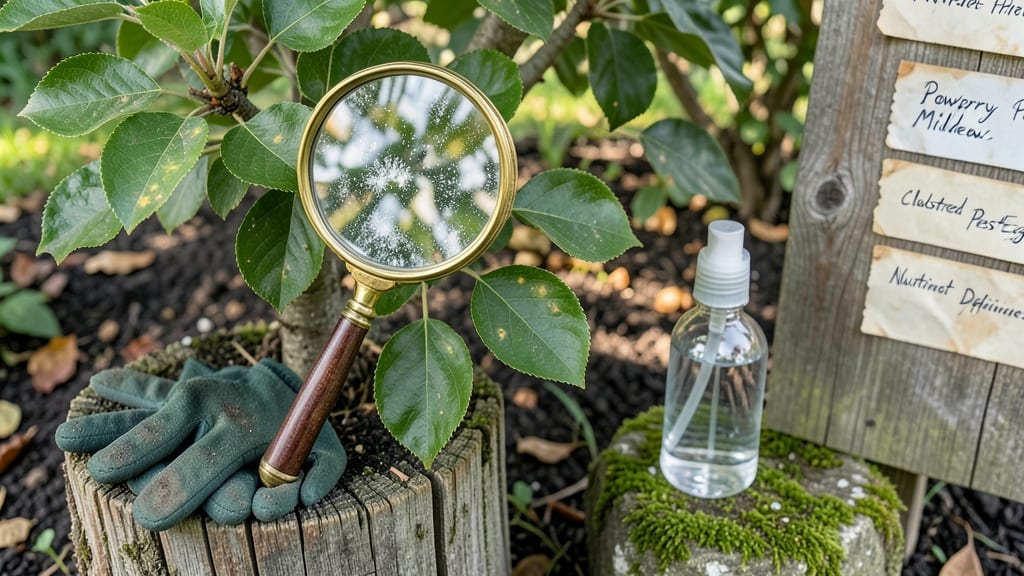
White spots on tree leaves can turn your backyard oasis into a fungal battleground if you ignore them. 🌿 I’ve seen powdery mildew take over shade trees in just weeks—until I learned the 3-day cure that stops it in its tracks.
The key? Spotting the difference between harmless environmental dust and a full-blown fungal infection before it spreads.
Powdery mildew thrives in humid, shaded spots where air doesn’t circulate, while spider mites leave behind tiny webbing and stippled leaves. Environmental stress—like sudden drought or poor drainage—can also trigger white spots, but those usually fade with proper care.
The bad news? Fungal infections double in size every 48 hours if untreated. The good news? You can reverse it with the right approach.
By day three, you’ll see fresh green growth pushing through the white film, and the spores will stop spreading. The secret lies in neem oil sprays, baking soda mixtures, and proper pruning to improve airflow.
I’ve used this method on my 20-year-old oak and a young maple—both came back stronger than before. No harsh chemicals needed.
This works for most shade trees, but fruit trees and roses need a slightly different strategy. If the spots keep coming back after two treatments, it’s time to call an arborist—especially if the leaves start yellowing or dropping. Let’s get your trees back to their healthy, lush selves.
Root Causes Of Leaf Spotting
White spots on tree leaves are rarely a sign of good health—they’re usually a cry for help from your plants. Understanding the why behind these blemishes is the first step to saving your foliage.
Below, we break down the most common culprits, from microscopic invaders to environmental stressors, so you can diagnose and treat the issue fast.
Fungi are the #1 cause of white, powdery, or chalky spots on leaves. These organisms thrive in moist, shaded conditions and can spread rapidly if left unchecked.
Powdery Mildew: The Fluffy White Culprit
- What it is: A fungal disease (Erysiphe, Sphaerotheca, or Podosphaera species) that coats leaves in a white, powdery film—like someone dusted them with talcum powder.
- Why it happens:
- High humidity + poor airflow 🌧️💨 – Fungi love damp leaves.
Overcrowded plants or dense foliage trap moisture, creating the perfect breeding ground. - Weakened plants 🌱💀 – Stress from drought, nutrient deficiencies, or recent transplanting makes trees more susceptible. - Warm nights, cool days 🌤️🌙 – Ideal conditions for powdery mildew (60–80°F temps with high humidity at night). - Actionable fix: Prune for airflow, avoid overhead watering, and apply neem oil or sulfur-based fungicides at the first sign.
Leaf Spot Fungi: The Pustule Producers
- What it is: Fungi like Cercospora or Septoria create small, white to tan spots with dark borders or centers.
Some may ooze or drop out, leaving holes. - Why it happens: - Splashing water 💦🌧️ – Rain or irrigation splashes spores onto leaves, infecting them through natural openings (stomata). - Old or damaged leaves 🍂✂️ – Weakened tissue is an open invitation for fungi to colonize. - Crowded planting 🌳🌳 – Poor circulation lets spores linger and spread. - Actionable fix: Remove infected leaves, space plants properly, and water at the base (not overhead).
Copper fungicides can help in severe cases.
Not all white spots are fungal—some are the handiwork of insects feeding on your tree’s leaves.
Spider Mites: The Tiny Suckers
- What it is: Microscopic mites (not insects!) that pierce leaves, causing stippled white or yellow spots as they suck sap.
- Why it happens:
- Drought stress 🏜️💦 – Dry conditions weaken plants, making them more appealing to mites.
- Hot, dry weather 🔥☀️ – Mites thrive in arid environments and reproduce rapidly.
- Low humidity 🌬️ – Their webbing (a clue to their presence) traps moisture, but they still feed aggressively.
- Actionable fix: Blast leaves with water to dislodge them, introduce predatory mites (like Phytoseiulus persimilis), or use horticultural oil sprays.
Scale Insects: The Sticky White Armor
- What it is: Sap-sucking insects that appear as white, waxy bumps on leaves and stems.
Heavy infestations lead to honeydew (a sticky residue) and sooty mold. - Why it happens: - Weakened trees 🌳😵 – Stress from poor soil, drought, or root damage makes them vulnerable. - Warm climates 🌴🌡️ – Scale thrives in heat and can go unnoticed until populations explode. - Actionable fix: Scrape off visible scale with a soft brush dipped in rubbing alcohol, or apply systemic insecticides like imidacloprid.
Not all white spots are biological. Sometimes, your tree’s environment is to blame.
Sun Scorch: Too Much of a Good Thing
- What it is: Bleached or white patches on leaves, often on the upper surface, caused by excessive sunlight.
- Why it happens:
- Sudden exposure ☀️🌱 – Moving a shade-loving plant into full sun without acclimating it.
- Drought conditions 🏜️💧 – Wilting leaves can’t protect themselves from UV rays.
- Reflective surfaces 🪞🌳 – Light-colored pavement or walls can amplify sun damage.
- Actionable fix: Gradually introduce plants to sunlight, mulch to retain moisture, or provide afternoon shade during peak heat.
Chemical Burn: Overzealous Fertilizing
- What it is: White, crispy spots or yellowing from fertilizer salts burning leaf tissue.
- Why it happens:
- Over-fertilizing 🧴💥 – Too much salt in the soil draws water out of leaves, causing cellular damage.
- Improper watering 💦🚫 – Applying fertilizer to dry soil concentrates salts, increasing burn risk.
- Wrong pH balance 🧪🌱 – High soil alkalinity can lock out nutrients, stressing the plant.
- Actionable fix: Flush the soil with water, avoid fertilizing in extreme heat, and test soil pH before applying amendments.
Before treating, inspect closely:
- Powdery? → Likely mildew.
- Stippled or webbing? → Mites or aphids.
- Sticky residue? → Scale or aphids (honeydew).
- Crispy edges? → Sun scorch or chemical burn.
Quick test: Rub a spot with your finger. If it smears white powder, it’s fungal. If it leaves a residue or tiny bugs, it’s pest-related.
Fixing Fungal Foliar Flaws Fast
White spots on your tree’s leaves don’t have to mean a slow, frustrating battle. With the right approach, you can often see improvements in just a few days—sometimes even overnight!
Below, we’ve mapped out targeted solutions based on the most common causes of those pesky white spots. Grab your gardening gear, and let’s restore your tree’s lush, healthy glow.
If your leaves are covered in a powdery white coating (like someone dusted them with flour), powdery mildew is likely the culprit. This fungal infection thrives in warm, humid conditions and spreads quickly if left unchecked.
🔥 Step-by-Step Treatment
- 🍳 Prune and Clean
- Remove heavily infected leaves with clean, sharp pruners. Dispose of them in the trash (not the compost)—this fungus doesn’t belong in your yard!
- Thin out dense foliage to improve airflow, which powdery mildew hates.
- 👨🍳 Spray with Baking Soda Solution (Safe & Effective!)
- Mix 1 teaspoon of baking soda + 1 teaspoon of horticultural oil + 1 teaspoon of dish soap into 1 gallon of water.
- Spray both sides of leaves in the early morning or late evening (avoid direct sunlight to prevent leaf burn).
- Repeat every 5–7 days until the spots fade.
- 🌡️ Boost Fungicide Power (If Needed)
- For stubborn cases, use a copper-based fungicide or neem oil spray (follow label instructions).
- Reapply after rain, as water can wash treatments off.
💡 Prevention Tips for Powdery Mildew
- ✨ Water wisely: Water at the base of the tree in the morning so leaves stay dry.
- 🌿 Space plants properly: Avoid overcrowding to reduce humidity near foliage.
- 🎯 Choose resistant varieties: If powdery mildew is recurrent, opt for mildew-resistant tree species.
If the white spots look like tiny holes, chewed edges, or webbing, insects like aphids, spider mites, or leaf miners are likely the culprits. These pests suck sap or tunnel through leaves, leaving behind telltale white residue or damage.
🔪 Targeted Pest Control
- 🕵️♂️ Identify the Pest
- Aphids/Spider Mites: Check for sticky residue (honeydew) or fine webbing on undersides of leaves.
- Leaf Miners: Look for blistered or serpentine trails inside leaves.
- 💦 Blast Them Away
- Strong water spray: Use a hose to knock off aphids or mites (do this in the early morning).
- Neem oil or insecticidal soap: Spray directly on pests (follow package directions).
- 🐝 Encourage Natural Predators
- Ladybugs, lacewings, and parasitic wasps love munching on these pests. Plant companion flowers like marigolds or dill to attract them.
🌡️ Prevention for Pest Problems
- 🍃 Keep trees healthy: Strong trees resist pests better—fertilize and water consistently.
- 🚫 Monitor regularly: Inspect leaves weekly, especially on the undersides.
- 🌿 Remove debris: Fallen leaves or branches can harbor overwintering pests.
White spots can also appear from sunburn (especially on young or newly transplanted trees) or mineral buildup from hard water or fertilizer salts.
🌞 Fixing Sunburn or Mineral Damage
- 🌿 Provide Shade Relief
- If sun scorch is the issue, add temporary shade cloth or move potted trees to a slightly shadier spot.
- Gradually acclimate trees to full sun over a few weeks.
- 💧 Flush the Soil
- For mineral deposits, deep-water the tree to leach out excess salts.
- Avoid over-fertilizing—stick to a balanced, slow-release fertilizer.
- 🍂 Mulch Properly
- Apply 2–3 inches of organic mulch (like wood chips) around the base, keeping it 6 inches away from the trunk to prevent rot.
💡 Long-Term Care Tips
- 🌱 Water deeply but infrequently: Encourages strong root growth and reduces stress.
- 🌡️ Mulch annually: Helps regulate soil temperature and moisture.
- 🎯 Test your water: If you suspect hard water, use rainwater or filtered water for sensitive trees.
If the white spots persist despite your efforts, or if the tree shows signs of wilted leaves, oozing sap, or widespread dieback, it may need professional help. A certified arborist can diagnose hidden issues like bacterial infections, advanced fungal rot, or soil-borne diseases that require stronger treatments.
Frequently asked questions
Are white spots on tree leaves always caused by disease?
No! While fungal infections like powdery mildew are common, white spots can also come from pests (spider mites, scale insects), environmental stress (sun scorch, chemical burn), or even harmless dust. Always check for webbing, sticky residue, or crispy edges to narrow it down.
How do I tell if white spots are powdery mildew vs. spider mites?
Powdery mildew leaves a white, powdery coating that wipes off like chalk, while spider mites create stippled yellow/white speckles with fine webbing on leaf undersides. Rub a spot: if it smears white powder, it's fungal; if you see tiny bugs or webbing, it's mites.
Can I use household items to treat white spots?
Yes! For powdery mildew, mix 1 tsp baking soda + 1 tsp dish soap + 1 gallon water and spray leaves. For pests, a neem oil spray (2 tsp oil + 1 quart water) works well. Always test on a small area first.
When should I call an arborist for white spots?
If the spots spread rapidly despite treatment, leaves yellow/drop heavily, or you see oozing sap or cankers, it's time to consult a pro. Advanced fungal/bacterial infections need specialized care.
Will pruning help prevent white spots?
Prune to improve airflow (fungi hate circulation) and remove infected leaves. Thin dense branches by 20-30% and clean tools between cuts to avoid spreading spores.