
Pruning
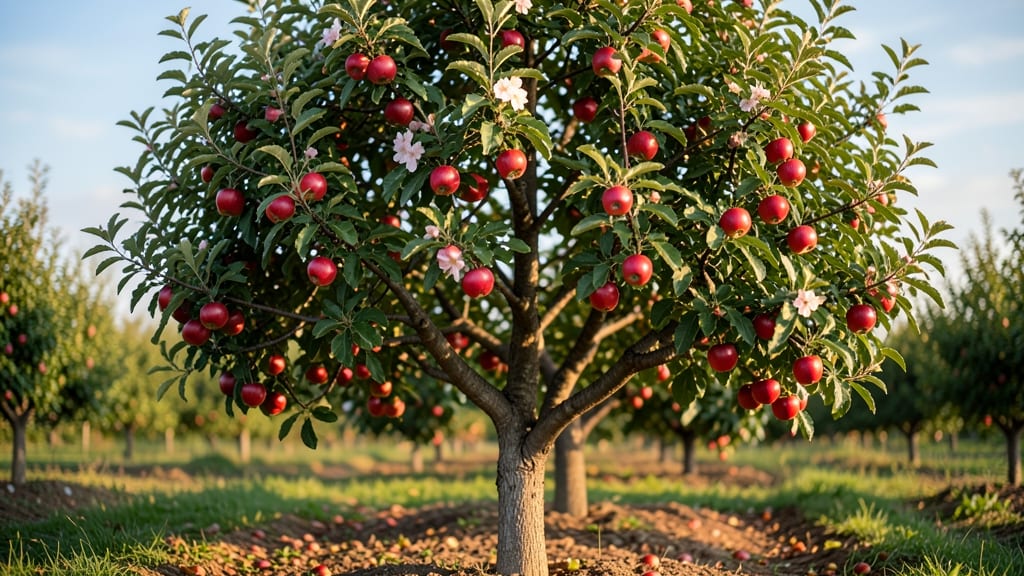
A Red Delicious apple tree 🍎 can reach 20 to 30 feet tall at maturity, but its size depends entirely on the variety and rootstock you choose—some stay compact enough for a backyard, while others need acres.
Picture this: a 15-foot-tall tree casting shade over your patio, its branches heavy with fruit, or a dwarf version that fits neatly in a container on your balcony. The difference comes down to rootstock, and knowing which to pick could save you from a pruning battle every spring.
Whether you’re working with a standard tree or a space-saving dwarf, understanding how climate, soil, and sunlight shape its growth will help you plan for the right location—and avoid the heartbreak of a tree outgrowing its home.
In this guide, I’ll break down the exact heights by variety, how to prune for control, and even whether a Red Delicious can thrive in a pot. Let’s get your orchard dreams on track!


Red Delicious apple tree size by variety: dwarf vs semi-dwarf vs standard
Choosing the right Red Delicious apple tree size depends entirely on your space and gardening goals. Standard varieties can tower over 20 feet, while dwarf rootstock options stay under 8 feet—making them perfect for small yards or even containers.
The key difference lies in the rootstock type you select, which directly controls both height and spread.
For home gardeners, semi-dwarf trees (12-18 feet) offer a great middle ground—tall enough for abundant harvests but manageable with basic pruning. Meanwhile, dwarf varieties (6-10 feet) thrive in urban settings or patios, producing fruit just like their larger cousins but on a much smaller scale.
Let’s break down the exact sizes and spacing needs for each type.
| Variety Type | Rootstock | Mature Height | Canopy Spread | Spacing Needs | Best For |
|---|---|---|---|---|---|
| Dwarf | M9, B9 | 6-10 ft | 6-8 ft | 8-10 ft apart | Containers, small yards, patios |
| Semi-Dwarf | MM106, MM111 | 12-16 ft | 10-12 ft | 12-15 ft apart | Backyards, small orchards |
| Standard | Seedling, MM109 | 18-25 ft | 15-20 ft | 20-25 ft apart | Large properties, commercial orchards |
Rootstock determines both size and vigor—M9 is the most dwarfing, while MM109 produces the largest trees.
The rootstock type is the foundation of your tree’s size. Dwarf rootstocks like M9 or B9 produce trees that reach just 6-10 feet tall, ideal for container growing or tight spaces.
These trees also bear fruit faster—often within 2-3 years—because their smaller size means less energy is spent on vertical growth.
If you’re working with a semi-dwarf rootstock like MM106 or MM111, expect a mature height of 12-16 feet with a spread of 10-12 feet. These trees strike a balance, offering higher yields than dwarfs while staying manageable for most home gardens.
For example, planting two semi-dwarf trees 12 feet apart in your backyard will give them room to thrive without overcrowding.
For those with ample space, standard Red Delicious trees on seedling or MM109 rootstock can grow 20-25 feet tall with a spread of 15-20 feet. These are the classic orchard trees you’d see in commercial settings, requiring 20-25 feet of spacing between plants.
While they produce the most fruit per tree, their size demands careful planning and regular pruning to keep them under control.
One common mistake is underestimating the canopy spread of apple trees. Even dwarf varieties need 6-8 feet of horizontal space to avoid shading each other, which can reduce fruit quality.
For instance, planting a dwarf Red Delicious in an 8-foot-wide container is fine, but placing two side by side without space will lead to competition for sunlight and nutrients.
When selecting a Red Delicious apple tree, consider not just height but also your climate zone and soil type. Dwarf trees perform best in USDA Zones 5-8, where their smaller size helps them withstand winter winds.
In warmer zones (9-10), semi-dwarf or standard trees may handle the heat better, though they’ll require more pruning and irrigation to manage their size.
Pro tip: If you’re unsure about spacing, err on the side of giving your tree more room. Apple trees with adequate space produce larger, higher-quality fruit and are easier to prune and harvest.
For example, a semi-dwarf tree planted 15 feet from a fence will grow toward the open space, creating a natural open-center shape that’s easier to manage than a crowded, overgrown tree.
Remember, the rootstock isn’t just about size—it also affects fruit quality, cold hardiness, and disease resistance. For example, M9 rootstock is sensitive to fire blight, a common apple disease, so choose disease-resistant varieties like ‘Red Delicious’ grafted onto MM106 if you’re in a high-risk area. Always buy from
How growing conditions affect Red Delicious apple tree size and fruit quality
Your Red Delicious apple tree won’t grow to its full potential without ideal conditions. Climate, soil, sunlight, and water all play critical roles in determining whether your tree stays compact or sprawls beyond your yard’s limits.
In colder regions like USDA Zone 5, trees often grow slower but produce hardier fruit, while warmer climates like Zone 8 may require extra pruning to control vigorous growth. Let’s break down how each factor influences your tree’s size and the quality of those sweet, juicy apples.
The soil type where you plant your Red Delicious can shrink or stretch your tree’s growth by up to 30%. Sandy soil drains too quickly, forcing roots to spread wider and potentially making the tree taller to access moisture.
Meanwhile, clay-heavy soil can stunt root growth, leading to a smaller, weaker tree if not amended with compost. Test your soil’s pH (6.0–7.0 ideal) and texture before planting—amendments like peat moss or perlite can make all the difference for a healthy, proportionate tree.
- 🌡️ Climate Zones: Colder zones (5-6) yield smaller, hardier trees (12–18 ft mature), while warmer zones (7-8) may need aggressive pruning to prevent 20+ ft growth.
- 💧 Watering: Overwatering in summer causes rapid, weak growth (up to 50% taller), while drought stress stunts height but reduces fruit quality.
- ☀️ Sunlight: Full sun (6+ hours) maximizes fruit size but may increase tree height by 20%; partial shade keeps trees shorter but yields smaller apples.
- 🌱 Soil: Clay soil restricts root depth, limiting height to 10–14 ft; sandy soil encourages wider, taller growth (16–22 ft) if not amended.
Sunlight is another game-changer for your Red Delicious apple tree. These trees thrive in full sun (6+ hours daily), which boosts fruit production but can also accelerate vertical growth.
If your tree gets only 4–6 hours of sun, expect a 20% reduction in height—but fruit may be smaller and less flavorful. Partial shade (e.g., near a fence or building) can keep trees shorter, but you’ll sacrifice apple size and sweetness.
For the best of both worlds, plant in a spot with morning sun and afternoon shade to balance growth and fruit quality.
Your watering habits directly impact how tall your tree becomes. Deep, infrequent watering (15–20 gallons weekly) encourages deep root growth, which stabilizes the tree and prevents it from stretching upward. On the other hand, shallow, frequent watering leads to weak roots and a taller, less sturdy tree.
In drought-prone areas, mulch heavily to retain moisture and reduce the need for supplemental watering. Overwatering in summer can cause vigorous but brittle growth, making trees prone to breaking under fruit weight.
Don’t overlook the role of pruning in managing your tree’s size—especially in warmer climates where growth can spiral out of control. In Zones 7–8, prune 2–3 times per year to remove water sprouts and suckers, which can add 3–5 feet of height annually if left unchecked.
In colder zones, a single late-winter pruning is often enough to shape the tree without stunting its natural hardiness. Always use sterilized tools and prune just above a bud or branch collar to promote healthy regrowth.
For the best fruit quality, combine these growing conditions with a balanced fertilizer (10-10-10) applied in early spring and summer. Avoid fertilizing in fall or winter, as this can stimulate late-season growth that won’t harden off before frost.
With the right conditions, your Red Delicious tree will produce large, sweet apples while staying within your desired height—whether that’s a dwarf patio tree or a semi-dwarf backyard staple.