
How To
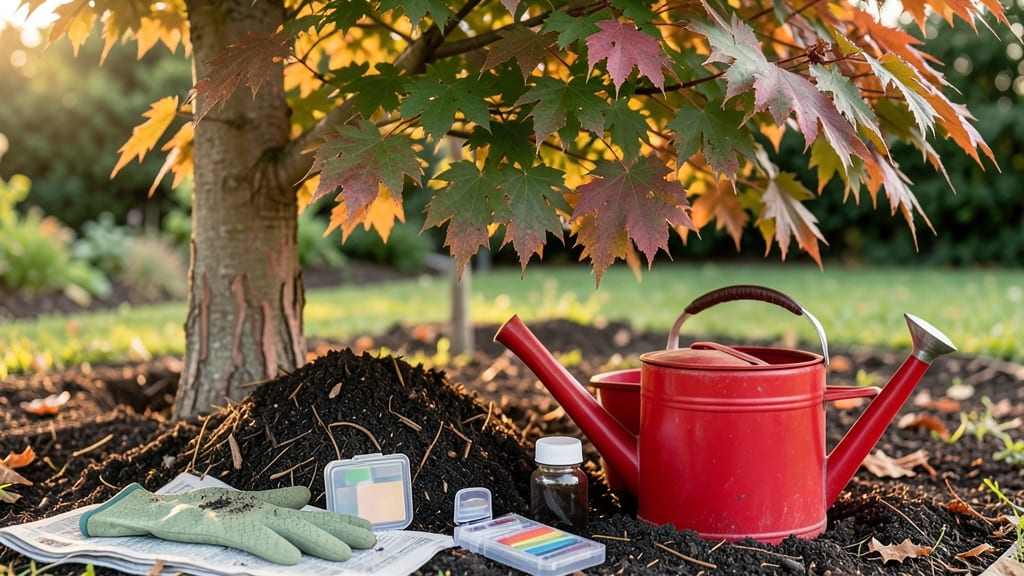
Acer tree brown tips on leaves don’t mean your tree is doomed—it’s often a fixable fungal blight or stress signal. 🌿 I’ve nursed back more than a few maples with just three targeted steps that stop the spread and restore vibrant green foliage.
The problem usually starts with overwatering or poor drainage, creating the perfect damp conditions for fungal spores. Check the soil first—if it’s soggy, your tree’s roots are suffocating, and those brown tips are a cry for help.
Leaf undersides might show dark spots or fuzzy growth, the classic signs of blight. Prune affected branches 1 inch below the brown tips with sterilized shears, then apply a copper fungicide spray (or a baking soda mix for mild cases).
Within 2-3 weeks, you’ll see new growth pushing out clean and healthy. The key is acting fast before the fungus moves deeper into the leaves. This method works for Japanese maples, sugar maples, and red maples alike—no matter your variety.
The secret is combining proper care with the right treatment at the first sign of trouble.
Root Causes of Leaf Discoloration
When your acer tree starts showing brown tips on its leaves, it’s usually a cry for help—often tied to environmental stressors, poor care, or hidden pests. Understanding the why behind the browning is the first step to restoring your tree’s health.
Below, we break down the most common culprits, backed by science, so you can diagnose the issue like a pro.
Brown tips on acer leaves can be a classic sign of root stress caused by overwatering. While acers love moisture, their roots hate soggy conditions. Here’s what’s happening:
- Oxygen deprivation: Overly wet soil forces roots to suffocate, cutting off nutrient and water uptake. Without proper hydration, leaf edges dry out and turn brown.
- Salt buildup: Excess water leaches nutrients but leaves behind harmful salts in the soil, further damaging root cells.
- Fungal infections: Stagnant water creates the perfect breeding ground for Phytophthora or Pythium, fungi that rot roots and trigger leaf discoloration.
Actionable fix: Test your soil’s moisture by sticking your finger 2–3 inches deep—if it’s damp, hold off on watering. Amend heavy clay soil with compost or perlite to improve drainage.
Acer trees thrive in partial shade, and when exposed to intense afternoon sun, their leaves can develop crispy, brown edges—a condition called sun scorch. Here’s the science:
- Photosynthesis overload: Too much sunlight generates reactive oxygen species (ROS), which damage cell membranes in leaf edges, causing browning.
- Water loss acceleration: Hot sun increases transpiration, drying out leaf tips faster than roots can replenish moisture.
- Species sensitivity: Some acer varieties (like Acer palmatum) are more prone to sunburn than others.
Actionable fix: Gradually acclimate your tree to sun by pruning nearby structures or using shade cloth (30–50% coverage) during peak heat. Mulch the base to retain soil moisture.
Brown tips can also signal an invisible battle between your tree and pests or pathogens. Here’s how they strike:
#### 🐜 Spider Mites & AphidsThese tiny sap-suckers inject toxins into leaves, causing edges to brown and curl. Heavy infestations lead to:
- Stunted growth from nutrient theft.
- Weakened leaves that dry out faster.
- Sticky residue (honeydew) attracting sooty mold.
Fungi like Apiognomonia (causing anthracnose) thrive in wet, humid conditions, creating:
- Brown, irregular patches with yellow halos.
- Premature leaf drop, stressing the tree.
- Spore spread via wind or splashing water.
Actionable fix: Inspect leaves for pests (use a magnifying glass) or fungal spots. Treat mites with neem oil or insecticidal soap. For blight, apply copper fungicide in early spring and remove infected leaves.
Acer trees are heavy feeders, and brown tips often signal a diet gone wrong. Common culprits:
#### 💀 Lack of Iron or MagnesiumBrown tips with interveinal yellowing (chlorosis) typically mean:
- Iron deficiency: Roots can’t access iron in alkaline soils (pH > 7.0), halting chlorophyll production.
- Magnesium deficiency: Causes brown edges with yellowing between veins, often in older leaves.
Over-fertilizing or using synthetic salts (like from tap water or road de-icing) can:
- Burn root tips, reducing water/nutrient absorption.
- Create a hypertonic soil environment, where roots struggle to uptake moisture.
Actionable fix: Test soil pH (ideal: 6.0–7.0 for acers). For deficiencies, use chelated iron or Epsom salt (magnesium sulfate). Flush soil with rainwater if you suspect salt buildup.
Now that you’ve identified the likely cause, the next step is targeted treatment—but the key to revival starts with fixing the root of the problem. 🌱
Quick Fixes for Brown Leaf Tips
Now that you know the culprits behind those unsightly brown tips on your acer tree leaves—whether it’s fungal blight, environmental stress, or pests—it’s time to roll up your sleeves and bring your tree back to vibrant health.
Below are targeted solutions for each common cause, complete with step-by-step instructions and prevention tips to keep your tree thriving.
---
If brown, crinkled tips or dark spots are spreading, fungal blight is likely the culprit. Act fast to stop the spread and restore your acer’s lush foliage.
#### 🔥 Step 1: Prune Infected Leaves - 🍳 Gather tools: Wear gloves and sanitize pruners with rubbing alcohol to avoid cross-contamination. - 👨🍳 Trim aggressively: Remove all leaves with brown tips, spots, or signs of fungal growth.
Cut back to healthy green tissue—don’t leave stubs. - 🥘 Dispose properly: Bag the clippings and toss them in the trash (not compost). Fungal spores can survive in compost and reinfect your tree.
#### 🔪 Step 2: Apply Fungicide - 🌡️ Choose the right treatment: - Copper fungicide (e.g., Bordeaux mixture or copper soap): Effective against fungal blight. Follow label instructions for concentration and application rate. - Neem oil or sulfur-based fungicide: Organic options that disrupt fungal spores.
Spray in the early morning or evening to avoid damaging leaves in direct sunlight. - 🎯 Cover thoroughly: Spray the top and bottom of leaves, as well as the tree trunk and surrounding soil. Fungus often hides in crevices!
#### ✨ Step 3: Improve Airflow and Hygiene - 💡 Thin the canopy: If your tree is densely packed, prune branches to allow better airflow. Fungal spores thrive in humid, stagnant conditions. - 🌡️ Water at the base: Avoid overhead watering, which can spread spores.
Use a soaker hose or drip irrigation to keep the soil moist without wetting the leaves. - 🎯 Clean up debris: Remove fallen leaves and mulch around the tree’s base to eliminate fungal hiding spots.
💡 Prevention Tip: Apply a preventative fungicide spray every 4–6 weeks during the growing season (spring to fall) to keep fungal blight at bay.
---
If brown tips appear after extreme heat, drought, or cold snaps, your acer is crying out for better care. Here’s how to nurse it back to health.
#### 🔥 Step 1: Adjust Watering Habits - 🍳 Check soil moisture: Stick your finger 2 inches deep into the soil. If it’s dry, water deeply. - 👨🍳 Water slowly and deeply: Aim for 1–1.5 inches of water per week, including rainfall.
Use a rain gauge to track amounts. - 🥘 Mulch properly: Spread 2–4 inches of mulch (wood chips or shredded bark) around the base, but keep it 6 inches away from the trunk to prevent rot.
#### 🌡️ Step 2: Shield from Extreme Conditions - 💡 Protect from heat: If your tree is in a hot, sunny spot, provide afternoon shade with a temporary shade cloth or by planting nearby shrubs. - 🌡️ Winterize young trees: Wrap the trunk with burlap or tree wrap in late fall to prevent sunscald (brown patches from rapid temperature swings). - 🎯 Avoid salt damage: If your tree is near a sidewalk or driveway, flush the soil with water in spring to remove accumulated salt from deicing.
#### ✨ Step 3: Fertilize Gently - 💡 Test the soil: Use a DIY soil test kit (available at garden centers) to check pH and nutrient levels.
Acer trees prefer slightly acidic soil (pH 6.0–7.0). - 🌱 Apply balanced fertilizer: Use a slow-release, organic fertilizer (like 10-10-10 or compost) in early spring.
Avoid over-fertilizing, which can burn roots and stress the tree. - 🎯 Avoid high-nitrogen fertilizers: These promote leafy growth but can weaken the tree’s resilience to stress.
💡 Prevention Tip: Mulch and water consistently to create stable soil moisture. Acers hate dry feet—keep the root zone evenly moist!
---
If brown tips coincide with tiny holes, webbing, or sawdust-like frass, pests like spider mites, aphids, or scale insects are likely to blame.
#### 🔥 Step 1: Identify the Culprit - 🍳 Inspect leaves closely: Use a magnifying glass to spot: - Spider mites: Tiny red or yellow dots, fine webbing on undersides. - Aphids: Clusters of small, soft-bodied insects on new growth. - Scale insects: Bumpy, shell-like bumps on stems or leaves.
#### 👨🍳 Step 2: Blast Them Off - 🥘 Strong water spray: For aphids or spider mites, blast them off with a hose nozzle on a gentle setting.
Repeat every 3–5 days until gone. - 🔪 Scrape off scale: Use a soft brush or cloth dipped in rubbing alcohol to wipe off scale insects. Focus on stems and leaf undersides.
#### 🌡️ Step 3: Use Natural Pesticides - 💡 Neem oil spray: Mix 1 tsp neem oil + 1 tsp mild soap + 1 quart water. Spray evenly on all leaf surfaces. Reapply every 7–10 days for 2–3 weeks. - 🌱 Insecticidal soap: Effective against soft-bodied pests like aphids.
Spray in the early morning to avoid harming beneficial insects. - 🎯 Introduce predators: Encourage ladybugs or lacewings by planting dill, fennel, or marigolds nearby—they feast on pests!
💡 Prevention Tip: Monitor your tree weekly during growing season. Early detection = easier eradication!
---
No matter the cause, these universal tips will help your acer bounce back—and stay healthy long-term.
- 💡 Prune in late winter/early spring: Remove dead, diseased, or crossing branches to improve airflow and sunlight penetration. - 🌱 Avoid over-pruning: Never remove more than 25% of the canopy in one season—acer trees are sensitive to stress. - 🎯 Watch for nutrient deficiencies: If brown tips persist, test for iron, magnesium, or potassium deficiencies.
Apply chelated iron or Epsom salt (magnesium sulfate) as needed. - 🌡️ Mulch annually: Refresh mulch in late winter to protect roots and retain moisture.
--- 🎯 Final Reminder: Patience is key! Some damage may take several weeks to reverse, but with consistent care, your acer’s leaves will regain their vibrant green glow. 🌿✨
Frequently asked questions
Why do my acer tree leaves have brown tips only on the edges?
Edge browning is usually caused by environmental stress like underwatering, overwatering, or salt buildup. Check soil moisture—if it's dry or soggy, adjust your watering schedule. Salt damage (from deicers or hard water) can also cause this pattern, especially near driveways.
Can I save my acer tree if the brown tips are spreading quickly?
Act fast! If the browning spreads rapidly, it's likely fungal blight or pests. Prune affected leaves immediately with sterilized tools, then apply copper fungicide. For pests, use neem oil spray. The key is stopping the spread before it reaches the leaf veins.
Is it safe to use household items like baking soda for brown tips?
Yes! A baking soda spray (1 tsp baking soda + 1 quart water + few drops of soap) can help with mild fungal issues. Spray on leaves weekly for 2-3 weeks. For severe cases, though, copper fungicide works better. Always test on a small leaf area first.
Will my acer tree recover if I fix the problem now?
Acers are resilient. Once you correct the root cause (watering, pests, or fungus), new growth will emerge within 3-4 weeks. The damaged leaves won't recover, but the tree will produce fresh, healthy foliage. Just keep monitoring and maintaining proper care.
How can I tell if my acer tree needs more sun or less sun?
Look for these clues: Sunburn (crispy brown edges) means too much sun, while yellowing between veins suggests too much shade. Japanese maples need afternoon shade, while Norway maples tolerate more sun. Gradually adjust shade structures over 2-3 weeks to avoid shocking the tree.