
Pruning
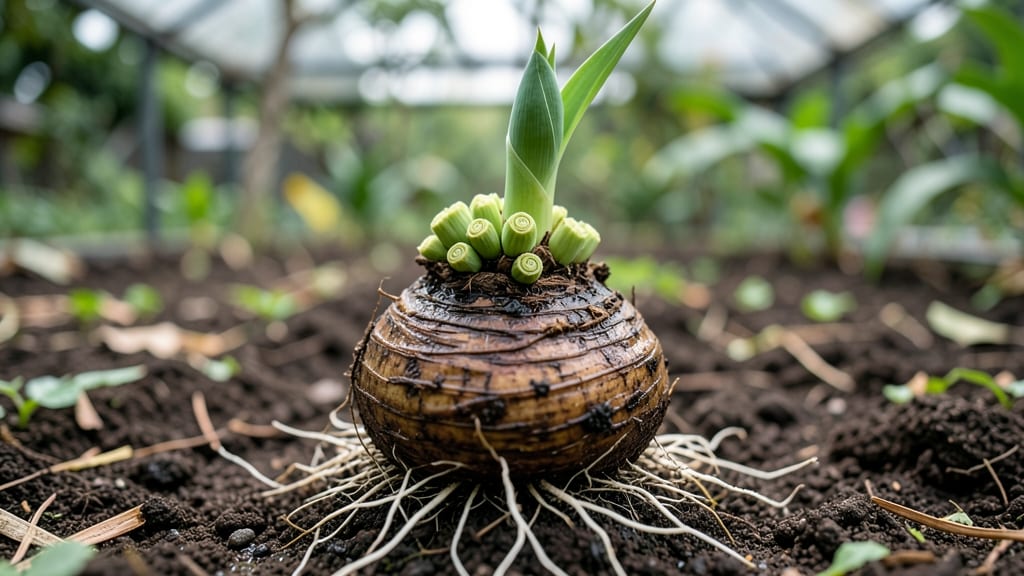
Growing a banana tree from a corm is like unlocking a tropical treasure chest—fast, healthy plants that thrive with the right start. 🌱 I’ve propagated dozens of these, and the secret lies in selecting plump, firm corms that feel heavy for their size.
A single healthy corm can produce a mature plant in just 12-18 months, skipping the years it takes from seed. The soil needs to be well-draining—think 60% potting mix, 30% perlite, and 10% compost—to prevent rot, which is the #1 killer of young corms.
Water lightly at first, then increase as shoots appear, but never let it sit soggy. Place in bright, indirect light (like a sunny window or greenhouse) until the plant reaches 2 feet tall, then gradually introduce full sun.
You’ll see the first fronds unfurl in 4-6 weeks, and by summer, your corm will have transformed into a lush, leafy banana tree. The key is patience—don’t rush the sunlight transition, or you’ll scorch those delicate leaves.
Even in cooler climates, a corm can be grown indoors near a south-facing window. Outdoor growers in zones 10-11 can plant corms directly in the ground after the last frost, while everyone else will need containers. Troubleshoot slow growth by checking light and nutrients—banana trees are hungry!
With the right care, you’ll be harvesting fruit in just 2-3 years.
📚 In This Guide
- What you need
- Instructions
- Tips and common mistakes
- Wrapping up and next steps
What you need
- ● Banana tree corm: 1-2 healthy, mature corms (3–5 inches in diameter, with visible roots or buds).
- ● Pruning shears or sharp knife: Sterilized to prevent disease (rubbing alcohol wipe recommended).
- ● Well-draining potting mix: 5–10 gallons of a blend designed for tropical plants (e.g., 60% peat/coir, 30% perlite, 10% compost).
- ● Pot or container: 1–2 large pots (18–24 inches deep) with drainage holes or a shallow trench (if planting outdoors).
- ○ Rooting hormone (optional but helpful): A small tube or powder (e.g., Rootone or Clonex).
- ● Watering can with a fine rose: For gentle hydration without disturbing the corm.
- ● Plastic wrap or humidity dome: To maintain moisture during the initial rooting phase.
- ● Mulch: Straw or wood chips to retain soil moisture and regulate temperature.
- ● Slow-release fertilizer: Balanced NPK (e.g., 10-10-10) for post-planting nutrition.
- ● Soil moisture meter: To monitor hydration levels without overwatering.
- ● Shade cloth (30–50% coverage): For protecting young corms from harsh sunlight.
Step-by-step instructions for propagating banana tree corms
Here's how I get strong, fast-growing banana plants from corms—no guesswork, just proven results.
🌱 Step 1: Select and Prepare Healthy Corms
Choose firm, plump corms with visible buds or "eyes" (those little dimples where new growth emerges). I always pick the largest ones—they've stored the most energy for rapid growth. Avoid any that feel soft, mushy, or show signs of rot. Gently scrub the corm with a soft brush to remove old soil, then let it dry for 24 hours in a warm, shaded spot.
This drying step prevents rot later. I like to place them on a paper towel in a dry, well-ventilated area. If you're impatient, skip the drying and move straight to planting—but you'll risk fungal issues down the line. Healthy corms are your foundation for fast, vigorous growth.
🪴 Step 2: Plant Corms in Well-Draining Soil
Fill a 12-inch deep container with a mix of 50% potting soil and 50% perlite or coarse sand—banana trees hate soggy roots. I use a 1-gallon pot for each corm, but you can plant multiple in a larger container as long as they have 6 inches of spacing between them. The corm's buds should face upward, about 2 inches below the soil surface.
Press the soil gently around the corm to eliminate air pockets, but don’t compact it. Water lightly until the soil is evenly moist but not soggy. You’ll know it’s right when water runs out the drainage holes without pooling. Place the pot in a warm spot with bright, indirect light—direct sun can scorch tender new leaves.
☀️ Step 3: Provide Warmth and Monitor Growth
Banana trees thrive in warmth—keep the soil at 75-85°F for the first 4-6 weeks. A heat mat under the pot helps if your home runs cooler. Watch for the first signs of growth: tiny shoots emerging from the buds. Once you see 2-3 inches of new growth, gradually introduce more light, moving the plant closer to a sunny window or under a grow light.
This is where patience pays off. I resist the urge to overwater—just keep the soil lightly moist. Too much water drowns the roots, while too little stunts growth. You’ll notice the leaves unfurl quickly once the plant adjusts to its environment. Strong, healthy leaves mean your corm is thriving.
✂️ Step 4: Transplant and Support as Needed
When your banana plant reaches 18-24 inches tall, it’s ready for a larger pot or garden bed. Choose a container at least 24 inches deep or a spot with well-draining soil. If growing outdoors in colder climates, wait until after the last frost date—banana trees are tropical and sensitive to cold. Bury the corm 3-4 inches deep and firm the soil gently around it.
As the plant grows, it may need support. I use a bamboo stake or a small tree cage to keep the stem upright, especially if you’re growing in a container. Mulch around the base with 2-3 inches of organic mulch to retain moisture and regulate soil temperature. Within 3-6 months, you’ll have a lush, fast-growing banana tree ready for harvest or further propagation.
Tips & tricks for perfect banana tree corm propagation
These little tricks will help you avoid common pitfalls and grow banana plants that thrive from day one.
Selection Tip: Look for corms with multiple buds or "eyes"—each one has the potential to sprout into a new plant. I once used a corm with just one bud, and while it grew, it produced a much smaller plant. The more buds, the better your chances of a robust start. Also, check for firmness: a corm should feel solid like a potato, not squishy or hollow.
Soil Mix Strategy: The 50/50 mix of potting soil and perlite/sand isn't just about drainage—it's about creating an airy environment that mimics tropical forest conditions. I've found that adding a handful of orchid bark to this mix gives even better aeration. After planting, give the soil a gentle squeeze—it should hold its shape but not be damp to the touch. This prevents both waterlogging and dryness.
Warmth Secret: That 75-85°F range during the first 4-6 weeks is non-negotiable for germination. I use a simple heat mat under my pots, but you can also place them on top of your refrigerator (where it's warmest) or near a sunny window with indirect light. Just avoid drafts—banana corms hate sudden temperature changes. A small greenhouse or clear plastic bag over the pot can help maintain consistent warmth while preventing cold drafts.
Growth Monitoring: Those first 2-3 inches of growth are your best indicator of success. I keep a small notebook by my plants and record measurements every few days. If growth stalls after reaching 2 inches, it might need more light or slightly warmer conditions. The leaves should be vibrant green—not yellowing (too much water) or brown at the edges (too dry or too much sun).
Pro Tips for Banana Tree Corm
- These little tricks will help you avoid common pitfalls and grow banana plants that thrive from day one.
- Selection Tip: Look for corms with multiple buds or "eyes"—each one has the potential to sprout into a new plant.
- Soil Mix Strategy: The 50/50 mix of potting soil and perlite/sand isn't just about drainage—it's about creating an airy environment that mimics tropical forest conditions.
Frequently asked questions
Got questions about propagating banana trees from corms? You’re not alone! Here are some of the most common concerns—and straightforward answers—to help you grow like a pro.
What’s the best time of year to harvest a banana tree corm for propagation?
The ideal time is late winter or early spring, just as new shoots emerge but before the plant flowers. This ensures the corm has stored enough energy for regrowth. Avoid harvesting during frost or extreme heat, as stress weakens the corm’s viability.
Can I use a banana corm that’s already sprouted for propagation?
A sprouted corm is even better—it signals the plant is already active. Simply separate the corm from the parent plant, trim any dead roots, and plant it in well-draining soil. Just ensure the sprouts face upward to encourage healthy regrowth.
What should I do if my banana corm rots after planting?
Rotting usually happens from overwatering or poor drainage. If you notice soft, mushy tissue, remove the corm immediately. Let it dry in shade for 1–2 days, then replant in fresh, sterile potting mix with perlite or sand. Keep soil barely moist until new growth appears.
How long does it take for a banana corm to grow into a mature plant?
With ideal conditions (warmth, humidity, and bright indirect light), a healthy corm can sprout leaves in 2–4 weeks and produce a small plant in 3–6 months. Full maturity—ready for fruiting—takes 1–2 years, depending on the variety and care.
Are there alternatives to banana corms for propagation?
Yes! You can also propagate banana trees from suckers (offshoots from the base) or tissue culture (lab-grown plants). Suckers are the easiest for beginners—just separate them carefully and replant. Tissue culture is faster but requires specialized equipment.
Wrapping up and next steps
Growing banana trees from corms is a rewarding way to expand your tropical garden with minimal effort! 🌱 By following the right steps—selecting healthy corms, preparing the soil, and providing the ideal conditions—you’ll enjoy faster growth and lush foliage in no time.
Whether you’re a seasoned gardener or just starting, this method opens doors to vibrant, productive banana plants.
Ready to take the next step? Start small—try propagating just one or two corms this season and watch your garden thrive. Happy planting! 🌿