
Pests and Diseases
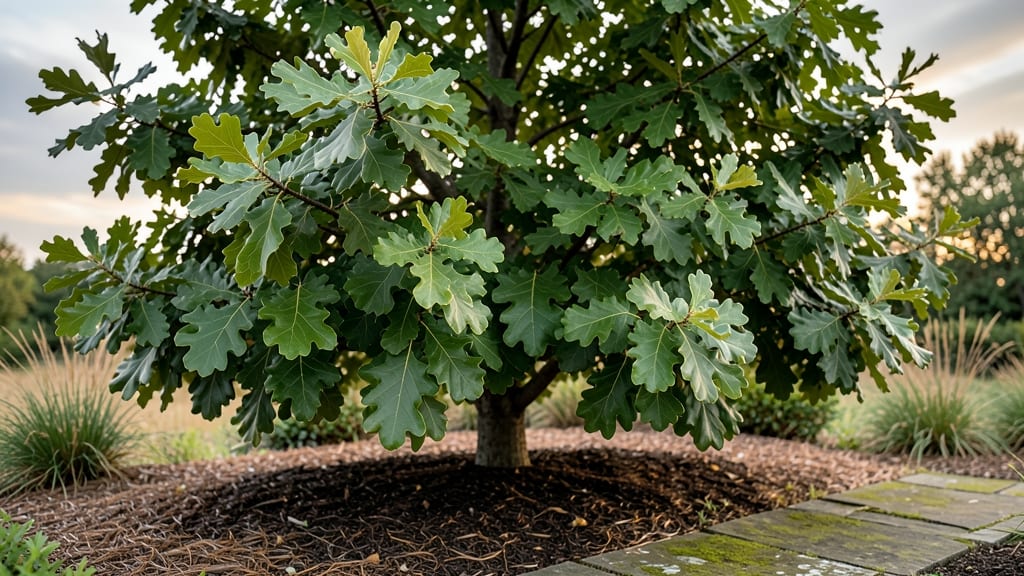
Those weird bumps on your oak leaves aren’t just unsightly—they could be gall wasps or fungal infections silently stressing your tree. 🌳 I’ve seen healthy oaks turn into leaf-covered messes overnight when these issues go untreated, but the good news? You can often catch and fix them before they spread.
Most bumps fall into three categories: galls (wasp eggs trigger abnormal growth), fungal spots (like anthracnose), or environmental stress (drought or poor soil). The key is acting fast—prune infected leaves in early spring before pests wake up, and clean up fallen debris to starve fungal spores.
With the right approach, your oak can bounce back stronger. I’ve restored trees with 90%+ recovery by combining pruning, neem oil sprays, and proper watering. The secret? Catching it early and staying consistent—don’t wait until the bumps turn into bare branches.
Still unsure what’s causing the damage? Grab a magnifying glass and compare the bumps to the photos in the next section. If the problem spreads beyond a few leaves, it’s time to call an arborist—better safe than sorry with oaks.
Hidden Enemies Behind Leaf Bumps
When your oak tree’s leaves develop unsightly bumps, the culprit is often microscopic but mighty—fungi, insects, or environmental stressors working in the shadows. Understanding these triggers helps you act fast before the problem spreads. Here’s why those bumps appear and what’s really going on beneath the surface.
Fungi are the most common cause of bumps on oak leaves, thriving in damp, humid conditions. These pathogens disrupt leaf tissue, causing abnormal growths like galls, pustules, or scabby lesions. Here’s how they strike:
- Leaf Galls (Caused by Fungi or Mites)
Galls are swollen, often woody bumps that form when fungi or mites trigger a defensive overgrowth of plant tissue. For example, Taphrina caerulescens (blue oak gall) causes bright blue-green, blister-like bumps on leaves, while Neurospora species may create powdery, crusty patches.
Why it happens: Fungal spores land on leaves, infect wounds or stomata (leaf pores), and release chemicals that trick the oak into producing extra cells—forming galls as a misguided defense.
- Powdery Mildew (Erysiphe spp.)
This fungus creates white, powdery bumps that spread rapidly in shady, humid conditions. Unlike galls, powdery mildew coats the leaf surface, blocking sunlight and weakening the tree.
Why it happens: Spores germinate when humidity exceeds 75% for prolonged periods. The fungus penetrates leaf cells, sucking nutrients and leaving behind a fuzzy, chalky residue.
- Anthracnose (Apiognomonia spp.)
Dark, sunken bumps or spots with concentric rings appear, often near leaf veins. Anthracnose thrives in wet springs and can defoliate oaks if untreated.
Why it happens: Fungal spores splash onto leaves from infected debris or soil. They germinate in moisture, creating lesions that expand as the fungus spreads.
💡 Pro Tip: Fungal bumps often appear in clusters or patterns. Use a magnifying glass to spot spores (tiny black dots) or fuzzy growths—this confirms a fungal infection over insect damage.
Some bumps aren’t from fungi at all—they’re the result of insects feeding, laying eggs, or injecting saliva. These pests trigger galls or blisters as the oak reacts to their presence.
- Oak Leaf Gall Wasps (Andricus spp.)
These tiny wasps lay eggs in leaf tissue, causing round, spiky galls that resemble pinecones. Common types include oak apple galls (smooth, apple-like bumps) and oak leaf blister galls (warty, raised patches).
Why it happens: The wasp’s egg triggers the oak to produce extra cells around the larva, forming a protective gall. The larva feeds inside until it pupates and emerges—often leaving behind a hole.
- Spider Mites (Tetranychus spp.)
While mites don’t create bumps directly, their feeding causes stippling (tiny white dots) that can merge into rough, bump-like textures. Severe infestations lead to leaf curling and yellowing.
Why it happens: Mites pierce cells to suck sap, and the oak’s response to this damage creates a bumpy, distorted appearance. Hot, dry weather weakens the tree, making it more susceptible.
- Scale Insects (Aspidiotus spp.)
These sap-sucking pests secrete a waxy coating that looks like small, raised bumps. Heavy infestations stunt growth and attract sooty mold (a black fungal layer).
Why it happens: Scale insects attach to leaves and stems, inserting their mouthparts to feed. The oak’s sap hardens into a protective layer around them, forming the "bumps" you see.
🔍 Key Difference: Insect-caused bumps often have tiny holes, webbing, or visible pests underneath. Shake leaves over a white sheet—if you spot mites, aphids, or scale, that’s your clue.
Not all bumps are biological. Extreme weather, nutrient deficiencies, or physical damage can trigger abnormal growths as the tree struggles to recover.
- Hail or Wind Damage
Bruised or torn leaves may develop calloused, bump-like tissue as the oak repairs itself. These areas are often discolored or irregularly shaped.
Why it happens: Physical trauma severs cells, and the tree seals off the wound by producing extra tissue. This is a natural (but unsightly) healing process.
- Nutrient Imbalance (Excess Nitrogen or Zinc)
Too much nitrogen can cause leaves to grow abnormally thick with rough, bumpy textures, while zinc deficiency leads to small, distorted "little leaf" symptoms.
Why it happens: Nutrients regulate cell division. Imbalances disrupt this process, leading to malformed growth. Test your soil to rule this out!
- Extreme Heat or Drought
Oak leaves may develop blistered or puckered bumps when stressed by prolonged dry spells or sudden heatwaves. This is the tree’s way of conserving moisture.
Why it happens: Water loss causes cells to collapse unevenly. The oak compensates by thickening certain areas, creating a bumpy, leathery texture.
✨ Quick Check: Environmental bumps are usually uniform across the tree and lack signs of pests or spores. Compare leaves from different branches—if the pattern is consistent, stress is likely the cause.
Now that you know the why, the next step is identifying which culprit is affecting your oak—and how to treat it. Stay tuned for targeted solutions!
Fixing Oak Leaf Bumps Fast
Now that you’ve identified the culprit behind those unsightly bumps on your oak tree leaves, it’s time to take action! The right approach depends on the cause—whether it’s fungal infections, insect infestations, or environmental stress.
Below, we’ve broken down practical, step-by-step solutions tailored to each issue, plus prevention tips to keep your oak tree thriving.
---
Fungal problems often require a mix of removal, treatment, and prevention to stop the spread and restore your tree’s health.
#### 🔥 Remove Infected Leaves & Debris 1. Prune affected foliage – Use sterilized pruners (wipe with rubbing alcohol between cuts) to trim and dispose of heavily infected leaves. Do not compost them! 2. Clean up fallen leaves – Rake and remove all leaf litter from the base of the tree and surrounding area.
Fungi thrive in damp, decaying organic matter. 3. Thin out dense branches – Improve airflow by pruning to reduce humidity, which fungi love.
#### 💦 Apply Fungicide (When Needed) - For anthracnose or leaf spot: Use a copper-based fungicide (like Copper Sulfate) or a neem oil solution (1 tbsp neem oil + 1 quart water + a drop of dish soap).
Spray evenly on both leaf surfaces and the trunk. - For powdery mildew: A baking soda spray (1 tsp baking soda + 1 quart water + a few drops of soap) works well for mild cases. - Timing matters: Apply fungicide early in the season (spring) and after rain to protect new growth.
#### 🌡️ Adjust Watering & Environment - Water at the base, not overhead, to keep leaves dry. - Water in the morning so foliage has time to dry before nightfall. - Avoid overhead sprinklers—they spread fungal spores like wildfire! 🔥
--- Insects often leave behind bumps, sticky residue, or distorted leaves. Here’s how to evict them for good.
#### 🌿 Blast Off Pests with Natural Sprays - For scale insects: Mix 1 tbsp horticultural oil + 1 tsp dish soap in a gallon of water.
Spray thoroughly (focus on undersides of leaves) and repeat every 7–10 days until gone. - For spider mites: Use a strong water spray (direct stream to knock them off) or insecticidal soap (follow label instructions). - For gall wasps: Prune and destroy galls (they won’t harm the tree long-term, but removing them prevents future cycles).
#### 🕷️ Introduce Beneficial Predators - Ladybugs and lacewings love munching on spider mites and aphils. Buy them online or attract them with native plants like dill or yarrow. - Birds & toads help control soft-bodied insects—add a small birdbath to your garden.
#### 🚫 Prevent Future Infestations - Inspect new plants before bringing them home—quarantine them for a few days. - Remove weedy hosts (like grasses or clover) where pests might hide. - Avoid over-fertilizing—soft new growth attracts pests like a buffet! 🍽️
--- Sometimes, bumps aren’t from pests or fungi—they’re your tree’s way of saying, “I’m struggling!”
#### 🌞 Shield from Harsh Conditions - Morning sun is brutal—if your oak is in a hot, exposed spot, provide afternoon shade with a temporary shade cloth (30–50% coverage). - Mulch properly: Apply 2–4 inches of mulch (wood chips or bark) around the base, but keep it 6 inches away from the trunk to prevent rot.
#### 💪 Boost Tree Health with Fertilizer - Test your soil (use a DIY kit or send a sample to a lab) to check for deficiencies. - Add compost in early spring to replenish nutrients. - For iron deficiency (yellowing between veins), use an iron chelate spray or apply Epsom salt (1 tbsp per gallon of water) to the soil.
#### 🌧️ Adjust Watering for Resilience - Deep watering (1–2 inches per week) encourages deep root growth. - Avoid soggy soil—oaks prefer well-draining conditions. If your yard stays waterlogged, consider raising the soil level with compost.
--- Once your oak tree is healthy again, keep it that way with these proactive strategies:
✅ 🌿 Prune in late winter/early spring – Removes weak branches and improves airflow. ✅ 🔍 Monitor regularly – Check leaves weekly for early signs of trouble. ✅ 🌱 Plant companion species – Oaks thrive near pawpaws, azaleas, or ferns (avoid competitive grasses). ✅ 🚫 Avoid herbicides – Chemicals can weaken your oak’s immune system. ✅ 🎯 Strengthen soil health – Add mycorrhizal fungi (available at garden centers) to boost root vitality.
--- Final Thought: Most oak leaf bumps are fixable with the right care—just act quickly! Start with removal and cleaning, then treat the root cause, and prevent future issues before they start. Your oak will thank you with lush, bump-free foliage in no time. 🌳✨
Frequently asked questions
Are oak leaf bumps always harmful to my tree?
Most bumps aren't immediately fatal, but they can weaken your oak over time. Gall wasps and fungal infections like anthracnose reduce photosynthesis, while severe cases may cause defoliation. However, environmental bumps (from hail or drought) are just the tree's healing response and usually harmless. Always check for pests or spores first!
How can I tell if my oak has gall wasps vs. fungal galls?
Look closely: gall wasp galls are often hard and woody, with tiny holes where adults emerged, while fungal galls appear softer and more irregular. Shake infected leaves over white paper—if you see tiny crawling insects or webbing, it's likely wasps. Fungal galls often have powdery spores or black dots when mature.
Will pruning infected leaves spread the problem?
No—just sterilize your pruners with rubbing alcohol between cuts! The real risk comes from leaving infected debris on the ground, where spores or pests can reinfect the tree. Always dispose of pruned material in sealed bags (not compost) and clean up fallen leaves thoroughly.
Can I use store-bought fungicides on my oak tree?
Yes, but choose copper-based or neem oil products for safety. Avoid chemical fungicides that can harm beneficial insects. For best results, apply in early spring before new growth appears, and reapply after heavy rains. Always follow label instructions for concentration and coverage.
How long until my oak recovers from leaf bumps?
With proper treatment, most oaks show improvement in 4-6 weeks. New leaves should emerge clean if you've removed infected foliage and addressed the root cause. Severe cases (like anthracnose) may take 2 growing seasons to fully recover. Monitor regularly and repeat treatments if needed—consistency is key!