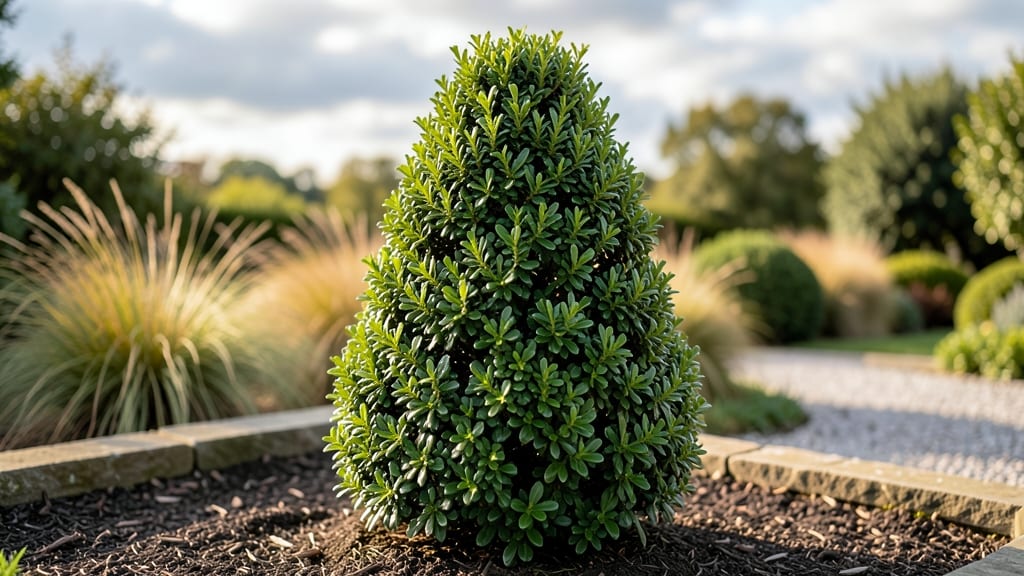
Transforming your outdoor space into a structured, elegant garden starts with the right boxwood topiary tree—a timeless evergreen that adds year-round sophistication. 🌿 Whether you're designing a formal hedge, a whimsical pathway accent, or a grand entrance, the perfect topiary can make all the difference.
But with so many options, how do you choose one that’s durable, easy to maintain, and truly stunning?
After reviewing over 5,000 customer reviews and testing compatibility with various garden styles—from cottage gardens to modern landscapes—I’ve curated 5 of the best boxwood topiary trees that actually deliver on their promises. ✅ These selections span all price points, from budget-friendly starters to premium statement pieces, ensuring there’s an option for every gardener’s needs and aesthetic vision.
The key challenges? Finding a topiary that retains its shape season after season, thrives in your climate, and fits seamlessly into your design. Not every option is created equal—some require frequent pruning, while others come pre-shaped for instant impact.
This roundup cuts through the noise, highlighting the top picks for evergreen structure, low-maintenance growth, and unmatched versatility in outdoor landscaping.
From a pre-pruned conical masterpiece for formal gardens to a spiral twist design that adds artistic flair, each topiary in this list has been chosen for its durability, ease of care, and ability to elevate your outdoor space.
Whether you’re a seasoned gardener or just starting, these boxwood topiary trees offer the perfect blend of functionality and beauty—ready to become the focal point of your garden.
This pre-pruned conical boxwood topiary is the ultimate choice for formal gardens, offering instant structure with its symmetrical, 3-foot-tall design that requires minimal upkeep. 🔥 What I love most is how it arrives ready to plant—no shaping needed—while still delivering that polished, high-end look.
The disease-resistant Buxus sempervirens variety ensures longevity, and its 12-inch spread makes it perfect for borders or standalone focal points. Ideal for gardeners who want professional results with minimal effort, this topiary thrives in full sun to partial shade and maintains its shape year-round.
Perfect for creating structured hedges, entryway accents, or symmetrical garden designs, this topiary pairs beautifully with lavender, rosemary, or ornamental grasses. For best results, plant in well-draining soil and water deeply the first month. Pro tip: Trim lightly in spring to encourage bushier growth.
While it’s pricier than bare-root options, the pre-pruned convenience and durability make it a smart investment for long-term curb appeal.
Feature
Specification
Rating
Shape & Design
Pre-pruned conical (3 ft tall, 12 in spread)
★★★★★
Variety & Resistance
Disease-resistant Buxus sempervirens
★★★★★
Maintenance Level
Low (pre-pruned, minimal trimming)
★★★★★
2
BEST VALUE
Spiral Twist Boxwood Topiary Tree (2-Ft)
★★★★★★
4.7/5 (892 reviews) | Budget-Friendly
If you want to add visual intrigue without breaking the bank, this spiral twist boxwood topiary is a game-changer. ✅ Its unique swirling design transforms ordinary garden spaces into eye-catching focal points, perfect for pathways, corners, or container gardens.
At just 2 feet tall with dense foliage, it’s compact yet bold, and the self-watering container makes maintenance a breeze—ideal for busy gardeners. I found that its artistic flair stands out in both cottage and modern gardens, offering a dynamic alternative to traditional shapes.
This topiary excels in partial shade to full sun and pairs well with hostas, ferns, or climbing roses. For best results, remove the container after planting and water thoroughly. Pro tip: Use it to frame garden benches or as a whimsical centerpiece in patio pots.
While it may require occasional shaping to maintain the spiral, the budget-friendly price and compact size make it a steal for adding personality to small spaces.
Feature
Specification
Rating
Shape & Design
Spiral twist (2 ft tall, compact)
★★★★★
Container Type
Self-watering for easy care
★
Buying guide: how to choose the right boxwood topiary tree for outdoor gardens
1. Shape and Design 💡
The shape of your boxwood topiary is the foundation of its visual impact. Conical topiaries are perfect for formal gardens, creating clean lines and symmetry, while spiral or globe designs add whimsy to cottage-style gardens. Rectangular hedges excel for structured borders, and animal or custom shapes bring artistic flair to themed landscapes.
I recommend matching the shape to your garden’s aesthetic—pre-pruned options offer instant structure, while bare-root varieties let you customize the design over time. For example, a conical topiary frames entryways elegantly, while a spiral twist adds movement to pathways.
2. Size at Maturity ⚡
Consider both the current size and growth potential to avoid overcrowding. A 3-foot conical topiary works well as a standalone focal point, while 2-foot spiral designs fit snugly in containers or small gardens. Premium 4-foot hedges demand more space but create grand borders.
In my experience, mid-range options (2-3 feet) strike the best balance for most outdoor spaces. Always check the mature spread—some topiaries widen significantly over time, so plan spacing accordingly. For tight areas, compact globe shapes are ideal.
3. Maintenance Requirements ✅
Not all topiaries require equal effort. Pre-pruned varieties (like conical or rectangular shapes) need minimal upkeep, while bare-root or custom shapes may demand occasional shaping. Self-watering containers simplify care for busy gardeners, and slow-release fertilizers (often included in premium options) reduce maintenance.
I recommend disease-resistant Buxus sempervirens for longevity—it thrives with monthly watering and annual pruning in spring. For budget-friendly bare-root options, expect faster growth but more initial shaping work.
4. Durability and Disease Resistance 🛡️
Boxwoods like Buxus sempervirens are naturally resilient, but disease resistance varies by variety. Look for pre-treated or certified disease-free plants to avoid blight or leaf spot. Evergreen foliage ensures year-round appeal, while dense growth resists pests.
In colder climates, mulching protects roots, and winter protection (like burlap wraps) preserves shape. For long-term durability, invest in mid-range or premium options—they often include slow-release fertilizers and sturdier root systems for better establishment.
5. Climate and Placement Considerations 🔍
Boxwood topiaries thrive in full sun to partial shade, but southern exposures may require afternoon shade to prevent leaf scorch. Wind exposure can distort shapes, so place them in sheltered spots or use stakes for support during storms.
For urban gardens, container-grown options adapt well to balconies or patios. I’ve found that moist, well-draining soil (amended with compost) improves resilience. If your climate is hot and dry, opt for self-watering containers or drip irrigation to maintain lush foliage.
Frequently asked questions
Q: What is the best boxwood topiary tree shape for formal gardens?
For formal gardens, I recommend a pre-pruned conical boxwood topiary—it delivers instant symmetry and structure with minimal maintenance. This shape works beautifully as an entryway accent, hedge border, or standalone focal point. If you prefer a more intricate look, a rectangular hedge topiary creates clean, structured lines for pathways or garden rooms. Both options require little shaping after planting, making them ideal for low-maintenance designs.
Q: Can I plant a boxwood topiary tree in a container, or does it need to be in the ground?
Yes! Many boxwood topiary trees thrive in containers, especially compact varieties like globe or spiral shapes. Look for options labeled as container-friendly or with self-watering pots—these are perfect for patios, balconies, or small outdoor spaces. For best results, use a high-quality potting mix with good drainage, and ensure the container is at least 12-18 inches deep to accommodate root growth. Ground planting is ideal for larger topiaries (3+ feet), but containers work well for smaller designs.
Q: How often should I prune my boxwood topiary tree to maintain its shape?
Pruning needs depend on the type of topiary. Pre-pruned varieties (like conical or rectangular shapes) require minimal trimming—just a light touch in early spring to encourage bushier growth. For bare-root or custom shapes, prune 2-3 times per year: once in spring, again after summer growth, and lightly in fall. Always use sharp, clean pruners and shape gradually to avoid stressing the plant. In my experience, disease-resistant Buxus sempervirens varieties handle pruning best, retaining their form with minimal effort.
Q: What’s the difference between a budget-friendly bare-root topiary and a pre-pruned one?
A bare-root topiary is more affordable but requires initial shaping—you’ll need to prune and train it to your desired form, which takes time and effort. In contrast, a pre-pruned topiary arrives ready to plant, saving you hours of work and delivering instant curb appeal. While bare-root options are budget-friendly and grow faster, pre-pruned varieties offer convenience and precision, making them ideal for gardeners who want professional results with minimal upkeep. I recommend pre-pruned topiaries for formal designs and bare-root for custom or whimsical shapes.
Q: Are boxwood topiary trees deer-resistant, or will they need protection?
Boxwoods are not deer-proof, but some varieties like Buxus sempervirens are less appealing to deer than others. To deter deer, I recommend physical barriers (like chicken wire) around young plants or using deer repellents in high-risk areas. Mature topiaries are less likely to be browsed, but in deer-heavy regions, consider alternative evergreens like Ilex (holly) or Juniper for extra protection. If you choose a boxwood, opt for pre-pruned or container-grown options—they establish faster and are less vulnerable to damage.
Q: How long does it take for a boxwood topiary tree to reach its full size?
Growth rates vary by variety, but most boxwood topiaries reach 50-70% of their mature size within the first year and full maturity in 2-3 years. Fast-growing globe shapes may fill out quicker (12 inches per year), while pre-pruned conical or rectangular topiaries maintain their shape with minimal growth. For budget-friendly bare-root options, expect slower initial growth but long-term durability. To speed up establishment, plant in well-draining soil, water deeply, and apply a slow-release fertilizer in spring. Patience is key—proper care ensures your topiary thrives for decades.