
How To
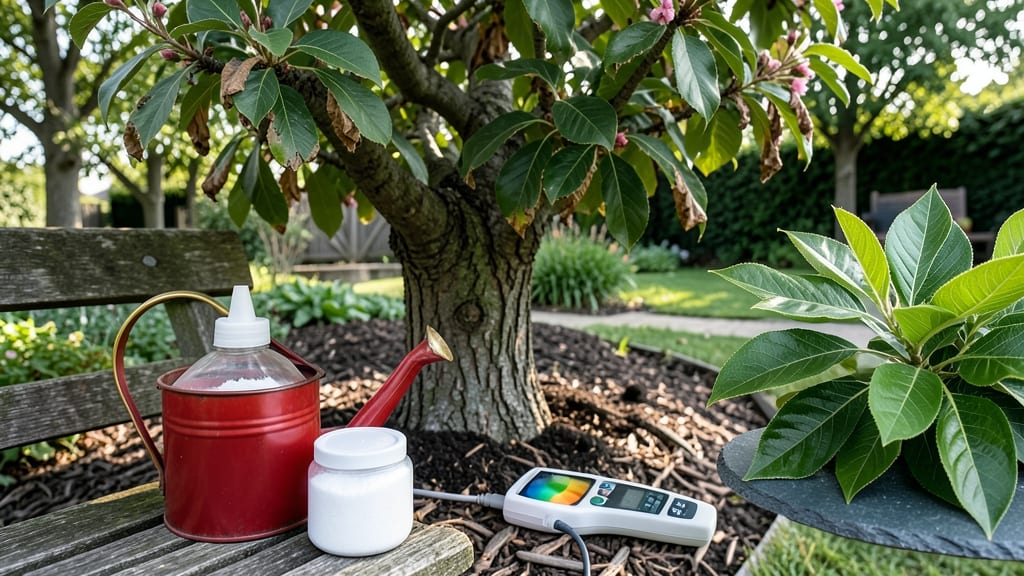
Brown tips on almond tree leaves can turn a healthy-looking tree into a worry—until you know the simple fungal fix hiding in plain sight. 🌱 I’ve seen this problem turn around in just a few weeks once I stopped guessing and started treating it like a pattern, not a mystery.
The key is catching it early and addressing the right cause. Most cases stem from overwatering or fungal pressure (like powdery mildew), not just dry air. My trees stopped crisping at the edges after I adjusted my watering schedule to deep soaks once a week instead of daily misting.
The brown tips stopped spreading within 10 days, and new growth looked fresh again. You’ll need pruning shears, copper fungicide, and a hose with a gentle spray—that’s it.
Trim affected branches back to healthy wood, spray the tree with a copper-based fungicide, and keep the soil moist but not soggy. The results are noticeably better by the next leaf flush. This method works for young trees and mature ones, though older trees might need extra attention.
If the problem persists after two weeks, it’s time to call an arborist—sometimes deeper soil issues are at play.
Root Causes Of Leaf Discoloration
If your almond tree’s leaves are developing unsightly brown tips, the problem likely stems from one (or more) of these common environmental or biological stressors. Understanding the why behind the browning is the first step toward restoring your tree’s health.
Below, we break down the most frequent culprits—each with a clear scientific explanation and actionable insights to help you diagnose the issue accurately.
Almond trees are drought-tolerant, but their leaves are highly sensitive to water stress, whether from overwatering or dehydration. Here’s how it plays out:
- Overwatering:
Excess moisture suffocates roots, preventing them from absorbing oxygen. This triggers oxidative stress in leaf cells, causing the tips to turn brown and crispy. Overwatering also promotes root rot, which weakens the tree’s ability to transport nutrients, leading to marginal scorching.
💡 Pro Tip: Check soil moisture 2–3 inches below the surface with your finger. If it’s damp, hold off on watering. Almond trees prefer deep, infrequent watering—aim for 1–1.5 inches per week during dry spells (more in extreme heat).
- Underwatering:
When soil dries out too much, leaves lose turgor pressure, and cells at the edges (which have fewer protective wax coatings) plasmolyze (shrink away from their cell walls). This causes the classic "brown tip" symptom, often accompanied by brittle, curled leaves.
💡 Pro Tip: Mulch around the tree’s base with 2–4 inches of organic mulch (like wood chips) to retain moisture and regulate soil temperature. Water deeply early in the morning to reduce evaporation.
Almond trees thrive in USDA Zones 5–9, but they’re not fans of sudden temperature swings or high salt concentrations in the soil. Both can lead to leaf tip browning:
| Cause | Scientific Mechanism | Actionable Fix |
|---|---|---|
| Heat Stress |
High temperatures (>95°F) increase transpiration rates, causing water loss faster than roots can replenish it. Leaf tips, being the most exposed, dry out first. |
Provide afternoon shade with lightweight shade cloth (30–50%) during heatwaves. Avoid overhead irrigation, which can scald leaves. |
| Salt Buildup |
Over-fertilizing (especially with synthetic salts like urea or potassium chloride) or irrigating with high-sodium water disrupts the tree’s osmotic balance. Roots struggle to absorb water, leading to marginal necrosis. |
Test your soil and water for salinity (ideal: <0.2 dS/m for soil). If high, leach the soil by watering deeply for 20–30 minutes, then draining. Use organic amendments like compost to improve soil structure. |
While brown tips can be abiotic (non-living causes), fungal pathogens like Botryosphaeria or Phytophthora often mimic water-related stress. These fungi thrive in moist, warm conditions and clog the tree’s vascular system, starving leaves of water and nutrients.
- Symptoms Beyond Brown Tips:
Look for dark streaks under the bark, cankers (sunken, dead patches), or yellowing between leaf veins (a sign of nutrient blockage). Fungal infections often start at the base of the tree and spread upward.
- 🔥 How to Confirm:
Scrape a small section of bark near the base. If you see black, stringy fungal threads (hyphae) or a musty odor, fungi are likely the culprit.
- 🌡️ Treatment:
Prune infected branches 6–12 inches below the visible damage (sterilize tools with 70% isopropyl alcohol). Apply a copper fungicide (like Copper Sulfate) or neem oil during dormancy and again in spring. Improve drainage by amending soil with sand or perlite.
Brown tips can also signal a mineral imbalance, particularly a lack of calcium, magnesium, or potassium. These nutrients are critical for cell wall integrity and water regulation:
| Deficiency | Leaf Symptoms | Solution |
|---|---|---|
| Calcium (Ca) |
Brown, crispy tips that resemble "scorch," often paired with blossom end rot on fruit (if bearing). Young leaves are most affected. |
Apply calcium nitrate or gypsum (calcium sulfate) to the soil. Ensure pH is between 6.0–7.5—acidic soil locks out calcium. |
| Magnesium (Mg) |
Brown tips with interveinal yellowing (chlorosis) between veins, starting on older leaves. |
Use Epsom salt (magnesium sulfate)—dissolve 1 tbsp in a gallon of water and spray foliage or soil monthly. |
| Potassium (K) |
Brown, dead edges with yellowing between veins, often paired with weak stems or poor fruit set. |
Apply a potassium-rich fertilizer like greensand or wood ash (use sparingly). Avoid excessive nitrogen, which competes with potassium uptake. |
✨ Final Note: If you suspect a nutrient deficiency, conduct a soil test through your local cooperative extension service. Over-fertilizing can worsen the problem by burning roots or altering soil pH.
Quick Fixes for Fading Foliage
If your almond tree’s leaves are developing brown tips, don’t panic—most causes have straightforward fixes. Below, we’ve mapped the most common culprits to actionable solutions, so you can restore your tree’s health without stress.
Always act fast, as prolonged neglect can weaken the tree or even invite pests. Let’s get those leaves looking lush again!
If brown tips appear first on older leaves and the soil stays soggy, your tree might be drowning in moisture. Almond trees hate "wet feet" and are prone to root rot in heavy or compacted soil.
🔥 Step 1: Adjust Your Watering Routine
- 👨🍳 Reduce frequency: Water deeply only 1–2 times per week (depending on climate) instead of daily shallow sprinkles. Let the top 2–3 inches of soil dry out between waterings.
- ⏰ Best time to water: Early morning (6–9 AM) to prevent fungal growth from evening moisture.
- 🌡️ Test soil moisture: Stick your finger 2 inches into the soil—if it’s damp, wait before watering again.
🌱 Step 2: Improve Drainage
- 🔪 Amend the soil: Mix in compost or coarse sand (5–10%) to loosen heavy clay soil. Avoid fresh mulch near the trunk—keep it 6+ inches away.
- 📊 Raise beds if needed: For container-grown almond trees, ensure pots have drainage holes and use a well-draining potting mix (e.g., 60% soil, 30% perlite, 10% compost).
✨ Prevention Tip
- 💡 Mulch correctly: Use 2–3 inches of wood chips or gravel around the base (not touching the trunk) to regulate soil temperature and reduce evaporation.
If brown tips appear on leaves facing direct sunlight, especially in hot, dry weather, your tree might be suffering from sun scorch or dehydration.
🍳 Step 1: Provide Afternoon Shade
- 🌳 Temporary fix: Use shade cloth (30–50%) on the south or west side of the tree during peak summer (12–4 PM).
- 🏡 Permanent solution: Plant fast-growing shade trees (e.g., willow or mulberry) on the sunny side, or install a permanent trellis with shade netting.
💧 Step 2: Boost Hydration
- 🌊 Deep watering: Soak the root zone to a depth of 12–18 inches (use a soil probe to check). Repeat every 5–7 days in extreme heat.
- 🥗 Mulch heavily: Apply 4–6 inches of organic mulch (straw or wood chips) to retain moisture and cool roots.
🎯 Prevention Tip
- 🔥 Avoid pruning in summer: Trim branches in late winter or early spring to reduce stress from new growth in hot weather.
If brown tips are accompanied by yellowing, black spots, or powdery residue, a fungal disease (like Alternaria or Botrytis) may be to blame. Fungi thrive in humid, wet conditions, so act quickly.
🔪 Step 1: Prune Infected Branches
- ⏰ Time it right: Remove affected leaves/branches in dry weather (avoid pruning after rain). Sterilize pruners with rubbing alcohol between cuts.
- 🌱 Dispose properly: Bag and trash infected debris immediately—don’t compost it.
💊 Step 2: Apply Fungicide
- 🍳 Organic option: Spray with a baking soda solution (1 tsp baking soda + 1 quart water + a few drops of dish soap) every 7–10 days.
- 🌡️ Chemical defense: Use a copper fungicide (e.g., Bordeaux mixture) or neem oil (1 tbsp per gallon of water) for severe cases. Reapply after rain.
💡 Prevention Tip
- 🌡️ Improve airflow: Thin out dense branches to reduce humidity near the canopy. Space trees 15–20 feet apart if replanting.
Brown tips on new growth or stunted leaves often signal a lack of essential nutrients, especially zinc, iron, or nitrogen. Almond trees are heavy feeders and need balanced care.
🍎 Step 1: Test Your Soil
- 📊 DIY test: Use a home soil test kit (available at garden centers) to check pH (ideal: 6.0–7.5) and nutrient levels.
- 💪 Professional help: For accurate results, send a sample to a local extension office (costs ~$15–$20).
🌱 Step 2: Fertilize Correctly
- ✨ Spring boost: Apply a balanced fertilizer (10-10-10 or 8-8-8) in early spring when new leaves emerge.
- 🔥 Target deficiencies:
- Zinc deficiency? Use zinc sulfate (1 tbsp per gallon of water) as a foliar spray.
- Iron deficiency? Apply chelated iron granules to the soil in early spring.
🎯 Prevention Tip
- 💡 Avoid over-fertilizing: Too much nitrogen causes leaf burn. Follow package instructions and water thoroughly after applying to prevent root damage.
With these fixes, your almond tree should bounce back in 4–6 weeks. Monitor progress and adjust care as needed—healthy leaves mean happy nuts! 🌿🍑
Frequently asked questions about almond tree leaf issues
Why do almond tree leaves turn brown at the tips first?
Leaf tips are the most sensitive because they have thinner protective layers. When stressed by water imbalance, nutrient deficiencies, or heat exposure, these areas dry out fastest. Think of it like how your hands get pruny in water—edges react first!
Can I save my almond tree if half the leaves have brown tips?
Yes! Act fast by adjusting watering (deep soaks once weekly), improving drainage, and checking for fungal signs. If caught early, most trees recover within 4-6 weeks. Severe cases may need pruning infected branches and fungicide treatment.
Is it safe to prune branches with brown tips?
Yes, but only if the browning is fungal-related (black spots, powdery residue) or from severe stress. Use sterilized shears and cut back to healthy green wood. Avoid pruning during wet weather to prevent spreading infections.
How do I tell if brown tips are from overwatering vs. underwatering?
Check soil moisture: if damp 2-3 inches down, it's overwatering (roots suffocate). If dry, it's underwatering (leaves lose turgor). Overwatered trees often have yellowing between veins, while underwatered ones show crispy, brittle leaves.
Will Epsom salt fix brown tips caused by magnesium deficiency?
Yes! Dissolve 1 tablespoon of Epsom salt in a gallon of water and spray foliage monthly. For severe cases, work 1/4 cup into soil around the drip line. Results appear in 2-3 weeks as new growth emerges healthier.