
Pruning
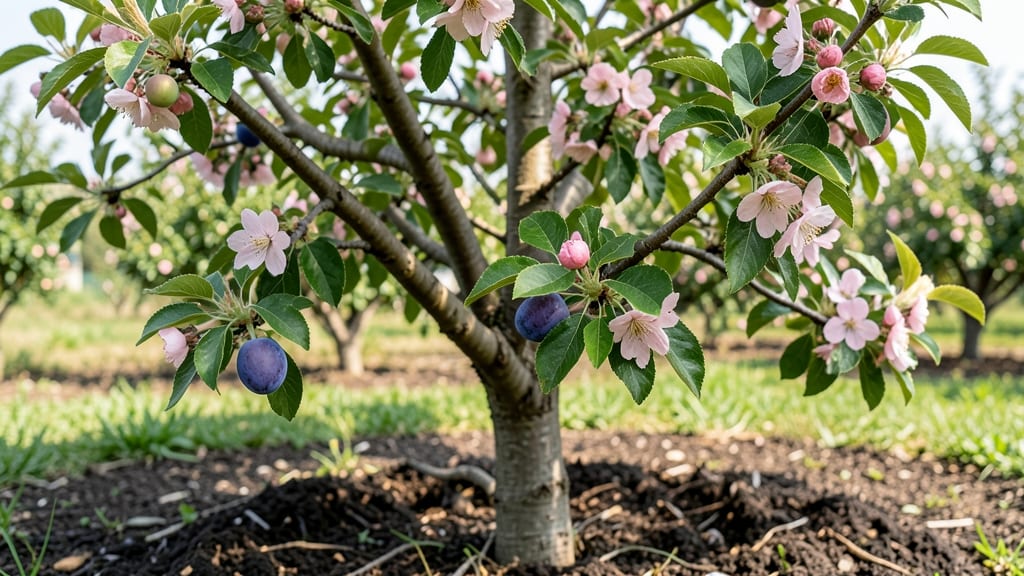
Plum trees bear fruit after 3-5 years, but timing depends on variety and climate—some early bloomers produce in spring, while late varieties wait until summer. 🌸 I planted a Santa Rosa plum expecting instant harvests, only to learn patience is key.
The first year, it just grew leaves; by year four, branches bent under the weight of purple perfection. Climate plays a bigger role than most gardeners realize. Trees need 200-1,000 chill hours (below 45°F) to set fruit—too few hours in warm zones means blooms but no fruit.
My neighbor’s tree in Zone 8 struggled until we added a cold-hardy variety. Pruning in late winter also boosts next year’s crop by improving airflow and sunlight exposure. You’ll know fruiting season arrives when buds swell in early spring, followed by white-pink blossoms that last 7-10 days.
The fruit itself ripens 60-90 days after pollination, turning from green to deep purple or yellow—depending on the variety. Harvest when they yield slightly to gentle pressure, usually July through September in most regions. Common mistakes? Over-pruning young trees or ignoring cross-pollination needs.
Some varieties need a partner tree within 50 feet. Even with perfect care, drought stress or late frosts can ruin blossoms. But once established, a healthy plum tree rewards you with 100+ pounds of fruit per season—enough for jams, fresh eating, and sharing with neighbors.
📚 In This Guide
- What you need
- Instructions
- Tips and common mistakes
- Wrapping up and next steps
What you need
- ● Plum Tree Sapling: Choose a variety suited to your climate (e.g., Stanley, Santa Rosa, or Methley for cold regions; Blackamber for warmer zones).
- ● Age: 1-2 years old (bare-root or potted).
- ● Soil: Well-draining, slightly acidic to neutral pH (6.0–7.0). Mix in compost (5–10 lbs per planting hole) for fertility.
- ○ Optional: Lime (if soil is too acidic) or sulfur (if too alkaline).
- ● Fertilizer: Balanced 10-10-10 NPK fertilizer (½ cup per tree at planting).
- ● Slow-release granular fertilizer (e.g., Osmocote) for ongoing nutrition.
- ● Shovel (for digging planting holes 18–24 inches wide/deep).
- ● Pruning Shears (sharp, bypass-style; sanitize with rubbing alcohol between cuts).
- ● Grafting Knife (if propagating from cuttings).
- ● Watering Can or Hose (with adjustable nozzle for gentle watering).
- ● Mulch (2–3 inches of wood chips or straw; keep 6 inches from trunk).
- ● Tree Stake & Ties (if planting in windy areas; use soft fabric ties).
- ● pH Test Kit (to monitor soil acidity).
- ● Sunlight: Full sun (6–8+ hours daily).
- ● Hardiness Zone: Match your plum variety to USDA Zone (e.g., Zones 4–9 for most varieties).
- ● Pollination: Cross-pollinating varieties (e.g., plant Stanley + Santa Rosa) for fruit set.
- ● Winter Protection: Burlap wrap or tree guard for young trees in cold climates.
- ● Drip Irrigation System (for consistent moisture).
- ● Fruit Thinning Shears (to improve fruit size/quality).
- ● Bird Netting (to protect blossoms/fruit from pests).
- ● Soil Moisture Meter (to track hydration needs).
- ● Organic Pest Control (e.g., neem oil for aphids).
Understanding your plum tree's fruit-bearing timeline
Knowing when your plum tree will bear fruit depends on its age, variety, and climate—here's how to track progress.
🌱 Step 1: Identify Your Plum Tree's Age and Variety
Most plum trees take 3-5 years from planting before they produce meaningful fruit. Dwarf varieties may bear fruit in 2-3 years, while standard-sized trees can take up to 6 years. Check your tree's tag or consult a local nursery to confirm the exact variety—some, like Santa Rosa or Stanley, fruit earlier than others.
Young trees focus on root and branch growth before fruiting. You'll notice this in spring, when new leaves appear but no flowers bloom. This is normal—patience is key. If your tree is over 5 years old and still not fruiting, it may need better sunlight, soil nutrients, or pruning to encourage flowering.
☀️ Step 2: Track Seasonal Cues for Flowering
Plum trees bloom in early spring, typically 2-4 weeks before leaves fully emerge. The flowers are small, white to pink, and clustered—this is your first sign that fruit is on the way. If your tree has no flowers by late March or April (timing varies by climate), it may need cross-pollination from another plum variety within 50 feet. Some varieties, like Methley, are self-pollinating.
Watch for bud swell in late winter—a sure sign the tree is preparing to flower. Cold damage can delay or prevent flowering, so protect young trees in Zone 5 or colder with frost cloth if late frosts threaten. A healthy bloom means fruit will follow in 6-8 weeks, depending on the variety.
🍑 Step 3: Monitor Fruit Development After Pollination
After flowering, tiny pea-sized fruits appear by late spring. These will grow rapidly over 4-6 weeks, turning from green to their mature color (purple, red, yellow, or yellow-green). Harvest readiness varies by type—European plums ripen in late summer, while Japanese plums may fruit as early as mid-summer. Check the tree's label for exact timing.
Ripeness is key: fruits should yield slightly to gentle pressure and have a sweet, fragrant aroma. If birds or pests are a problem, cover the tree with netting once fruits reach 1 inch in diameter. Overripe plums drop easily, so harvest frequently to avoid waste.
⏰ Step 4: Adjust Care Based on Climate and Variety
Southern climates (Zones 7-10) often see fruit earlier, sometimes as soon as June, while northern trees (Zones 4-6) may not ripen until August or September. If your tree isn’t fruiting by late summer, check for nutrient deficiencies (especially nitrogen or potassium) or disease (like silver leaf or bacterial spot), which can inhibit fruit production.
Mature trees may produce 100-200 pounds of fruit per season, but young or stressed trees yield far less. Thin fruits to 6 inches apart when they’re 1 inch in diameter to improve size and quality. This step is critical—overcrowded fruits stay small and may not ripen evenly.
🌿 Step 5: Plan for Next Year’s Harvest
After harvest, prune in late winter to remove dead wood and open the canopy for better airflow and sunlight. Fertilize in early spring with a balanced 10-10-10 formula to support next year’s bloom. Mulch around the base with 2-3 inches of organic matter to retain moisture and regulate soil temperature.
Keep a planting journal to track flowering and fruiting dates—this helps predict future harvests. If your tree skips a year, don’t panic; plum trees often alternate between heavy and light crops. With proper care, a healthy plum tree can produce fruit for 20-30 years or more.
Tips & tricks for tracking your plum tree's fruit timeline
Don't let uncertainty about your plum tree's fruiting schedule turn into frustration—these practical tips will help you anticipate harvests with confidence.
Variety Matters: The 3-5 year timeline for standard plum trees can feel like a long wait, but knowing your specific variety makes all the difference. Santa Rosa and Stanley varieties often fruit in just 2-3 years, while others might take longer. I always check the tree tag or nursery records first—this simple step prevents years of wondering "why isn't my tree fruiting?"
Seasonal Cue Timing: Those 2-4 weeks before leaves emerge in early spring are your best indicator of upcoming fruit. Watch for bud swell in late winter—this is your tree's way of saying "fruit is coming!" I've learned to protect young trees in Zone 5 with frost cloth during these critical weeks, especially when late frosts threaten. A healthy bloom means fruit will appear in exactly 6-8 weeks, no matter the variety.
Climate Adjustments: The 6-8 week window after flowering can shift dramatically based on your zone. In southern climates (Zones 7-10), you might see fruit as early as June, while northern trees (Zones 4-6) often wait until August or September. I keep a simple chart tracking my local frost dates and adjust my expectations accordingly. This prevents disappointment when your neighbor's tree fruits earlier than yours.
Fruit Development Watch: Once those pea-sized fruits appear in late spring, count on 4-6 weeks of rapid growth. The key is thinning fruits to 6 inches apart when they reach 1 inch in diameter—this might seem counterintuitive, but it actually improves size and quality. I've seen overcrowded branches produce tiny, underdeveloped plums that never ripen properly. This one step makes all the difference in harvest quality.
Pro Tips for When Does Plum Tree Bear Fruit
- Don't let uncertainty about your plum tree's fruiting schedule turn into frustration—these practical tips will help y...
- Variety Matters: The 3-5 year timeline for standard plum trees can feel like a long wait, but knowing your specific v...
- Seasonal Cue Timing: Those 2-4 weeks before leaves emerge in early spring are your best indicator of upcoming fruit. ...
Frequently asked questions
about when plum trees bear fruit—because patience is key, but curiosity shouldn’t wait!How long does it take for a plum tree to bear fruit after planting?
A young plum tree typically takes 3–5 years to produce fruit, depending on the variety and growing conditions. Dwarf varieties may fruit sooner (2–3 years), while standard trees can take longer. Patience pays off—healthy care speeds up the process!
Can I speed up fruiting in a plum tree?
While you can’t rush nature, you can optimize conditions! Ensure full sun, well-draining soil, and consistent watering. Fertilize with high-phosphorus (for root growth) and potassium (for fruit development) in early spring. Pruning to encourage airflow also helps.
Why isn’t my plum tree bearing fruit after 5 years?
Common culprits include lack of pollination (plant two compatible varieties), poor pruning (overcrowded branches block light), or nutrient deficiencies (test soil for nitrogen/phosphorus). Cold winters or late frosts can also delay blooming. Check for pests/diseases too!
Do plum trees fruit every year?
Yes! Plum trees are perennial fruiters—they produce fruit annually if healthy. However, heavy crops can deplete energy, so some trees may have off-years (e.g., after a drought). Thinning fruit early can boost next year’s yield.
Can I grow plums in pots, and will they fruit?
Dwarf plum varieties (like Santa Rosa) thrive in pots but may produce smaller fruit yields than in-ground trees. Ensure the pot is at least 15–20 gallons, has drainage, and gets full sun. Container-grown trees need regular fertilizing and winter protection.
Wrapping up and next steps
Understanding when your plum tree bears fruit depends on its variety, climate, and care—so you’re already on the right path! 🌱 Whether you’re growing European, Japanese, or hybrid plums, patience and proper pruning will reward you with luscious fruit in just a few seasons.
Now that you know the timeline, why not take the next step? Plant a tree today or refine your pruning techniques to ensure a bountiful harvest next year!
- 🌿 Start small: If you’re new, try a dwarf variety for easier management.
- 📅 Mark your calendar: Track blooming and fruiting seasons to stay ahead.
- 👩🌾 Share the joy: Invite neighbors to admire your plum tree—or swap tips!