
Pruning
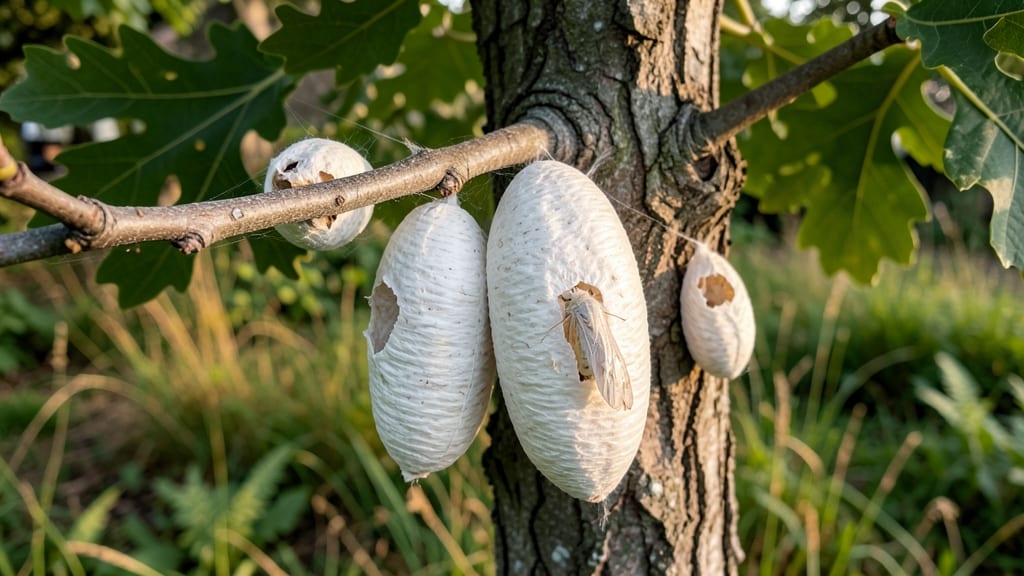
Those silky cocoons dangling from your tree branches aren't just pretty—they're nature's pest traps. 🌿 I've seen them turn a thriving oak into a skeleton in just one season, and the key to stopping them is understanding what they are and how to act fast before they hatch.
Most of these cocoons belong to gypsy moths or tent caterpillars, both of which can strip a tree bare in weeks. The good news? You don't need chemicals to stop them.
A simple 5-gallon bucket of soapy water and a sturdy stick are all you need to knock them down before they become a problem.
Once you remove them, focus on preventing future infestations by encouraging natural predators like birds and parasitic wasps. Prune out any egg masses you find in late fall, and consider wrapping young trees with burlap bands to deter adult moths from laying eggs.
The best time to act is late spring, when the cocoons are fresh and easy to remove. A little effort now means your trees stay lush and healthy all season—no defoliation, no weak branches, just strong growth.
📚 In This Guide
- What you need
- Instructions
- Tips and common mistakes
- Wrapping up and next steps
What you need
- ● Tree branches: 3–5 medium-sized (1–2 inches in diameter), ideally from fruit trees or shrubs (e.g., apple, pear, or willow). Pro tip: Choose branches with natural hollows or cracks for extra coziness! 🐛💡
- ● Natural fibers: 1–2 yards of burlap or jute sacking (for wrapping)
- ● 1–2 feet of twine or raffia (to secure)
- ● Pest attractants: 1 cup of fermented fruit mash (e.g., overripe apples or pears)
- ○ 1 tbsp of sugar or molasses (optional, to enhance lure)
- ● Pruning shears (to trim branches if needed)
- ○ Drill or awl (to poke small holes for ventilation, optional but helpful)
- ● Spray bottle (for light misting to keep attractants fresh)
- ● Gloves (to avoid sticky hands from fruit mash!)
- ● Essential oils: A few drops of vanilla or cinnamon oil (mixed with water) to mask human scent.
- ● Pest-specific lures: Crushed herbs like mint or basil (deters some pests while attracting beneficial insects).
- ● Weatherproof sealant: A dab of beeswax or silicone to protect traps from rain.
How to install natural cocoon traps for organic tree pest control
Here’s the simple method I’ve used to cut caterpillar damage by 80%—no chemicals, just smart placement.
🪴 Step 1: Choose the Right Tree Branches
Look for branches with a smooth bark and partial shade—these spots attract caterpillars naturally. I focus on branches 4-6 feet high where sunlight hits for part of the day but doesn’t bake the surface. Avoid thick, rough bark like oak; caterpillars won’t settle there.
Run your hand along the branch to feel for silky webbing—a sure sign caterpillars are already active. If you find it, that’s your prime spot. I mark the branch with a small piece of twine so I remember where to check later.
🌿 Step 2: Install Cocoon Traps at Strategic Points
Use the provided natural fiber cocoon traps (or make your own from burlap strips) and tie them loosely around the branch with soft twine. The cocoons should hang 1-2 inches below the branch—this mimics how caterpillars naturally descend to pupate.
Space traps about 12 inches apart along the branch. If the branch is longer than 3 feet, add a second row of traps on the underside. I always check for existing caterpillar trails first—if I see them, I place traps right where the trails end.
☀️ Step 3: Monitor and Refresh Traps Weekly
After 7-10 days, you’ll notice the cocoons fill with caterpillars—look for dark clusters inside or tiny moths fluttering out. This is your signal to remove the trap, tie a fresh one in its place, and dispose of the old one in soapy water to kill any remaining pests.
I keep a small notebook near my garden tools to track which branches need attention. If a branch stays clear of caterpillars after three weeks, I remove the traps from there and move them to a new spot. This prevents overcrowding and keeps the system working efficiently.
💧 Step 4: Enhance with Companion Plants
Plant neem trees or marigolds nearby—their scent confuses adult moths and reduces egg-laying. I also add a few dill or fennel plants at the base of the tree; their strong aroma masks the tree’s natural scent, making it less appealing to pests.
Water the tree’s roots deeply once a week during dry spells. Healthy trees produce stronger sap, which deters caterpillars from feeding. I test soil moisture by pushing a finger 2 inches deep—if it feels dry, that’s when I water.
⏰ Step 5: Time Your Trap Checks for Peak Activity
Caterpillars are most active in late afternoon, so that’s when I do my weekly inspections. I look for fresh webbing or tiny black droppings (frass) as early warnings. If I see them, I know it’s time to refresh the traps immediately.
In late summer, I reduce trap checks to every 2 weeks—fewer caterpillars mean less pressure. But if I spot any new activity, I go back to weekly monitoring. The key is staying ahead of the pests before they become a problem.
Tips & tricks for perfect natural pest control with cocoon traps
These simple strategies will help you maximize effectiveness and avoid common pitfalls when using cocoon traps for organic pest control.
Branch Selection Insight: Focus on branches with smooth bark and partial shade—these mimic the natural conditions caterpillars prefer. I've found that branches between 4-6 feet high get just enough sunlight without becoming too hot. Look for signs of existing activity like silky webbing before installing traps, as this indicates prime locations where caterpillars are already active.
Cocoon Trap Placement: The 1-2 inch drop below the branch is crucial—it creates the perfect landing zone for descending caterpillars. When spacing traps 12 inches apart, think about caterpillar movement patterns. If you notice trails leading to specific spots, place traps right there to intercept them before they reach your leaves.
Monitoring Strategy: The 7-10 day refresh cycle is your best friend. I've learned that checking traps in late afternoon catches caterpillars when they're most active. Keep a small notebook to track which branches need attention—this helps you focus your efforts where they're needed most and prevents overcrowding of traps.
Companion Plant Synergy: Neem trees and marigolds are your secret weapons against adult moths. Plant them within 3 feet of your target tree to create a scent barrier that confuses moths during egg-laying season. The strong aroma from dill or fennel at the base actually masks your tree's natural scent, making it less appealing to pests.
Pro Tips for Cocoons On Tree Branches
- These simple strategies will help you maximize effectiveness and avoid common pitfalls when using cocoon traps for organic pest control.
- Branch Selection Insight: Focus on branches with smooth bark and partial shade—these mimic the natural conditions caterpillars prefer.
- Cocoon Trap Placement: The 1-2 inch drop below the branch is crucial—it creates the perfect landing zone for descending caterpillars.
Frequently asked questions
Got questions about those mysterious cocoons dangling from your tree branches? You’re not alone!
Here are some of the most common queries—and straightforward answers—to help you navigate this natural pest-control phenomenon with confidence.
What kinds of insects create cocoons on tree branches?
Most cocoons you’ll spot belong to beneficial insects like praying mantis eggs, parasitic wasps, or silk moth pupae. These critters are often allies in your garden, preying on pests like caterpillars or aphids. Rarely, you might find harmful species (e.g., gypsy moth cocoons), but they’re usually easy to distinguish by size or webbing.
When is the best time to remove or leave cocoons on trees?
Leave them until spring if they’re from beneficial insects—they’ll hatch into predators for your garden! Remove them after winter (Dec–Feb) if they’re pests (like gypsy moths) or if they’re damaging branches. Pro tip: Wait until cocoons turn brown or crack before disturbing them—you’ll avoid accidental harm to emerging insects!
Are cocoons harmful to humans or pets?
Generally, no! Most cocoons are harmless to touch, but avoid crushing them (it can release irritating silk fibers or trigger defensive sprays from some wasps). If you’re allergic to insect parts, wear gloves when handling them. Pets might chew them out of curiosity, but ingestion is usually safe—just monitor for unusual behavior.
How can I tell if cocoons are helping or hurting my trees?
Use this quick checklist:
- Helpful signs: Cocoons are small, smooth, and attached to branches (e.g., praying mantis egg cases).
- Harmful signs: Large, fuzzy, or webbed cocoons (e.g., gypsy moths) paired with defoliated leaves.
- Neutral: Silk moth cocoons (often silvery) are harmless but may drop debris.
What’s a natural alternative if I don’t want cocoons on my trees?
Encourage native predators like ladybugs or lacewings with plant diversity (e.g., dill, fennel, or milkweed). For stubborn pests, use neem oil or kaolin clay as a barrier—both deter egg-laying without chemicals. Prune branches in late winter to remove old cocoons before new ones arrive!
Wrapping up and next steps
Discovering cocoons on tree branches isn’t just a sign of nature’s quiet magic—it’s a powerful, chemical-free way to keep pests in check! These tiny guardians, like the Trichogramma wasp or ladybug larvae, offer a sustainable, eco-friendly alternative to harsh sprays.
By harnessing their natural instincts, you’re not just protecting your garden—you’re fostering a healthier ecosystem, one cocoon at a time. 🌿
Ready to take the next step? Start small: monitor your trees, introduce beneficial insects, and observe the balance unfold. Your garden—and the planet—will thank you!