
Pruning
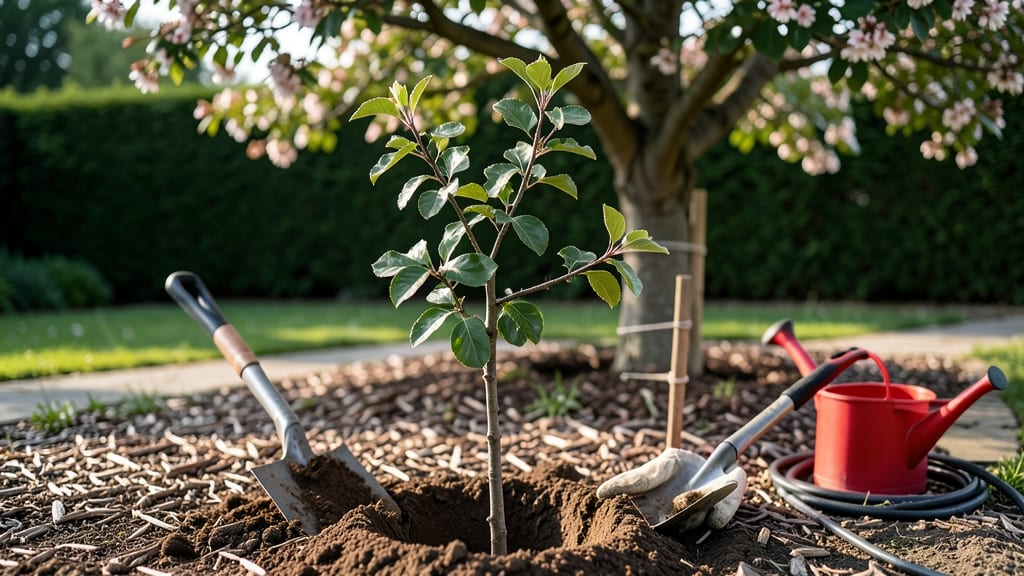
Planting a crab apple tree starts with soil that invites strong roots to spread—layered soil prep makes all the difference. 🌱 I’ve seen bare-root saplings thrive where others struggle, and the secret lies in breaking up compacted soil, adding organic matter, and creating the perfect cradle for those delicate feeder roots.
The ideal spot gets 6+ hours of sun and has well-draining soil, but even heavy clay can work if you amend it right. Dig a hole twice as wide as the root ball but only as deep—planting too deep smothers the tree, while shallow planting leaves roots exposed.
My first crab apple nearly failed until I adjusted the depth and backfilled with a mix of native soil and compost. Within 6-8 weeks, you’ll see new shoots pushing through the soil, signaling roots have established.
The tree will reward you with vibrant spring blooms and disease-resistant fruit, but only if you mulch properly (2-3 inches of wood chips) and water deeply once a week. Skip the mulch volcano—it suffocates the trunk.
Works in zones 3-8, but spring planting (March-April) gives roots time to settle before summer heat. Avoid fall planting—new roots won’t harden off before freeze. Here’s how to nail every step without guesswork.
📚 In This Guide
- What you need
- Instructions
- Tips and common mistakes
- Wrapping up and next steps
What you need
- ● Crab apple tree sapling: Choose a healthy 1-3 gallon container-grown tree (or bare-root if planting in early spring). Look for sturdy roots and vibrant foliage!
- ● Shovel or spade: A round-point shovel (18-24 inches wide) for digging the planting hole.
- ● Garden trowel: For finer adjustments around roots.
- ● Pruning shears: Sterilized, sharp shears to trim damaged roots or branches.
- ● Compost or well-aged manure: 5-10 gallons (mix with native soil for nutrient boost).
- ● Native topsoil or garden soil: At least 2 cubic feet (enough to backfill the hole).
- ○ Mulch (optional but recommended): 2-3 inches of wood chips, straw, or pine needles (keep 6 inches away from the trunk).
- ● Staking supplies (if needed): 2-3 wooden stakes (4-6 feet tall).
- ● Soft tree tie straps or wide fabric strips (avoid wire!).
- ● Watering can or hose with nozzle: For deep, thorough watering.
- ● Soil test kit: Check pH (ideal range: 6.0-7.0 for crab apples).
- ● Root stimulator: A powder or gel to encourage root growth.
- ● Tree guard or collar: Protects the trunk from mowers/lawn equipment.
- ● Slow-release fertilizer: 10-10-10 or similar (apply lightly after planting).
- ● Garden gloves: To keep hands clean and comfortable.
Step-by-Step guide to planting a crab apple tree
Planting a crab apple tree isn't just about digging a hole—it's about creating the perfect foundation for strong roots and vibrant growth.
🌱 Step 1: Choose the Right Location and Prepare the Site
Select a spot with full sun exposure—at least 6-8 hours of direct sunlight daily. Crab apple trees thrive in open areas where they can receive ample light without competition from nearby trees or structures. Avoid low-lying spots where water pools, as soggy soil can suffocate roots.
Clear the area of weeds, grass, and debris within a 3-foot radius of where you'll plant. Use a shovel or garden fork to loosen the soil to a depth of about 12 inches. This helps roots spread easily into the surrounding soil. If your soil is heavy clay or compacted, mix in a few inches of organic matter like compost or aged manure to improve drainage and aeration.
🪴 Step 2: Dig the Planting Hole
Dig a hole that's twice as wide as the tree's root ball but only as deep as the root ball itself. This encourages roots to spread horizontally rather than settling too low, which can lead to poor stability. Step back and inspect the hole—it should look like a broad, shallow basin rather than a deep pit.
Loosen the sides of the hole with your shovel or hands to prevent soil compaction when you backfill later. If you notice any rocks or hardpan (a dense layer of soil), break them up gently with a garden fork. This ensures roots can grow freely without obstruction. Leave the hole open for a few hours before planting to let the soil settle naturally.
💧 Step 3: Position the Tree and Backfill the Hole
Place the tree in the hole so the top of the root ball sits 1-2 inches above ground level. This prevents soil from washing over the roots during watering, which can cause rot. Use a level to ensure the tree stands upright—tilting can stress the trunk and lead to uneven growth.
Fill the hole with the native soil you removed, tamping it down gently as you go to eliminate air pockets. Avoid compacting the soil too firmly, as this can restrict root growth. Water the tree deeply as you backfill to help settle the soil and eliminate gaps. Once the hole is filled, create a slight mound of soil around the base to encourage water to pool there during irrigation.
☀️ Step 4: Mulch and Water for Establishment
Spread a 2-3 inch layer of mulch around the base of the tree, keeping it 3-4 inches away from the trunk to prevent moisture buildup that can cause rot. Use organic mulch like wood chips or straw, which will break down over time and improve soil structure. Avoid inorganic mulches like rocks, as they don’t provide the same benefits.
Water the tree deeply right after planting to help the roots settle into the surrounding soil. Aim for about 1-2 gallons of water, depending on the size of the root ball. Keep the soil consistently moist but not waterlogged for the first 2-3 weeks, then gradually reduce watering as the tree establishes. You’ll know it’s thriving when new leaves appear and the tree starts to show signs of vigorous growth.
⏰ Step 5: Stake and Protect for Long-Term Success
If your crab apple tree is young or top-heavy, use 2-3 stakes to provide temporary support. Drive the stakes into the ground at a slight angle, about 6-12 inches from the trunk, and secure the tree with flexible ties. Avoid tying the tree too tightly—you should be able to fit a finger between the tie and the trunk to prevent girdling as the tree grows.
Protect the tree from pests and physical damage by installing a tree guard or wrapping the trunk with tree wrap. This shields the bark from sun scald and chewing insects. Monitor the tree regularly for signs of stress, like yellowing leaves or wilting, and adjust your care routine as needed. With proper planting and ongoing attention, your crab apple tree will grow strong and healthy for years to come.
Tips & tricks for perfect crab apple tree planting
Here's what nobody tells you about planting these resilient trees—these tricks make all the difference for long-term success.
Soil Layering Strategy: In Step 1, when you're loosening that 12-inch depth of soil, consider creating a subtle soil layer. Mix the top 4 inches with compost or aged manure for nutrient-rich growth, then return to native soil below. This mimics natural forest conditions where roots thrive in both organic and mineral layers. The roots will naturally seek out the best environment.
Root Ball Inspection: Before planting in Step 3, gently separate the root ball's edges to check for circling roots—a common issue with container-grown trees. If you find any, carefully trim them with clean pruners. This prevents roots from growing in circles underground, which can strangle the tree as it matures. I've seen this cause stunted growth even in healthy-looking trees.
Watering Hack: After planting in Step 4, create a small trench around the tree's drip line (where the branches would naturally extend) to direct water away from the trunk. This encourages roots to spread outward rather than staying concentrated near the trunk. Water the trench rather than just the base for the first 2-3 weeks—this mimics natural rainfall patterns.
Mulch Depth Secret: That 2-3 inch mulch layer in Step 4 should actually be more like 3-4 inches for optimal moisture retention. Just keep it 3-4 inches away from the trunk to prevent rot. I've found that deeper mulch helps maintain consistent soil moisture during dry spells, which is crucial during the tree's first critical growing season. Use coarse wood chips—they break down slowly and improve soil structure over time.
Pro Tips for Crab Apple Tree Planting
- Here's what nobody tells you about planting these resilient trees—these tricks make all the difference for long-term success.
- Soil Layering Strategy: In Step 1, when you're loosening that 12-inch depth of soil, consider creating a subtle soil layer.
- Root Ball Inspection: Before planting in Step 3, gently separate the root ball's edges to check for circling roots—a common issue with container-grown trees.
Frequently asked questions
Got questions about planting your crab apple tree?
Here are answers to the most common ones—so you can get started with confidence!
When is the best time to plant a crab apple tree?
Plant your crab apple tree in early spring (just as buds swell) or early fall (4-6 weeks before frost). Avoid extreme heat or cold—roots need time to establish without stress. Spring planting lets the tree grow through its first season, while fall gives roots a head start before winter dormancy.
How deep and wide should the planting hole be?
The hole should be twice as wide as the root ball but only as deep as the container or burlap. Loosen the sides of the hole to encourage root spread. Avoid planting too deep—this can suffocate roots. If the tree’s root flare (where roots meet the trunk) is buried, gently adjust it before backfilling.
Will deer or pests eat my young crab apple tree?
Yes! Deer love tender crab apple shoots, and pests like borers or aphids may target stressed trees. Protect young trees with wire cages or deer repellent. For pests, apply horticultural oil in early spring or introduce beneficial insects like ladybugs. Choose disease-resistant varieties (e.g., ‘Adams’ or ‘Dolgo’) for extra resilience.
How often should I water a newly planted crab apple tree?
Water deeply 2-3 times per week for the first year, soaking the root zone (about 12–18 inches down). Avoid shallow watering—it encourages weak roots. Mulch with 2–3 inches of organic material (wood chips) to retain moisture. Reduce watering in winter unless the ground is frozen or drought persists.
Can I plant a crab apple tree in clay soil?
Yes, but amend the soil first! Clay holds too much water, risking root rot. Mix in compost, sand, or peat moss to improve drainage. Plant on a slight mound to elevate roots. Over time, organic matter will loosen the soil naturally. Crab apples tolerate a range of soil types but thrive best in well-draining, slightly acidic soil (pH 6.0–7.0).
Wrapping up and next steps
Planting a crab apple tree is a rewarding way to enhance your landscape while supporting pollinators and wildlife! By focusing on layered soil prep—like loosening compacted earth, amending with organic matter, and ensuring proper drainage—you’ll give your tree the strongest start possible. 🌱
Now that you’re armed with the right knowledge, take the next step and mark your planting spot. Whether you’re a seasoned gardener or a beginner, your crab apple tree will thrive with a little patience and care. Happy planting! 🌳