
Pruning
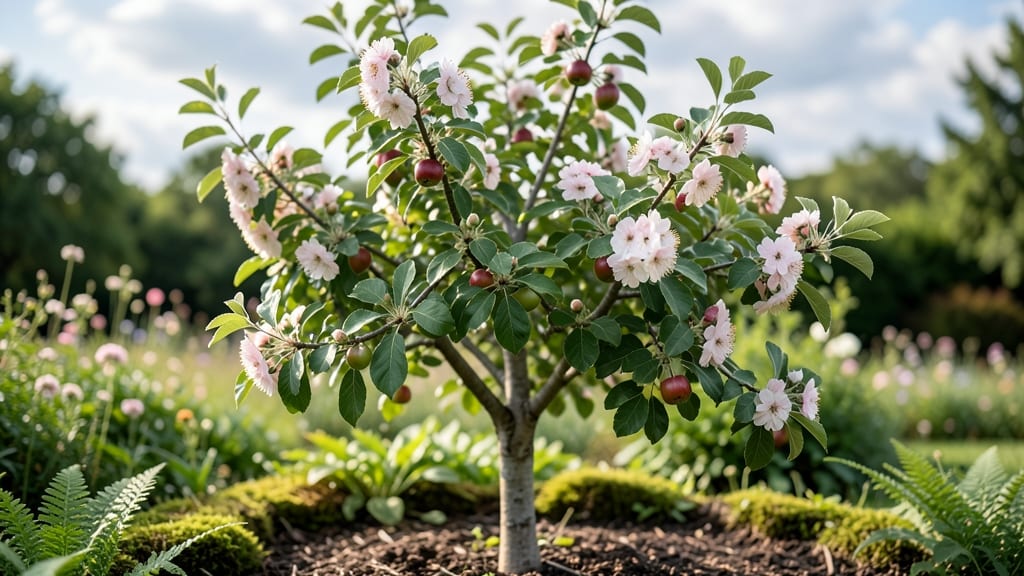
Michigan’s harsh winters demand crabapple trees that won’t throw in the towel. 🌳 I’ve grown these tough varieties through Zone 5 winters without flinching, and the secret lies in the right pruning timing and technique—something I learned the hard way after my first tree lost half its branches to winter burn.
The best cold-hardy picks for Michigan—like ‘Adams,’ ‘Dolgo,’ or ‘Sargent’—thrive with late-winter pruning (just before buds swell) and open-center shaping to let sunlight warm the center. You’ll need sharp pruners, a ladder for taller branches, and a plan to remove dead wood before spring growth begins.
These trees reward patience with vibrant spring blooms and disease-resistant fruit that birds adore.
After pruning, your tree will bounce back with fresh green growth by May, and those signature pink or white blossoms will turn heads in neighborhoods where other trees still look half-asleep.
The key is thinning cuts (not topping) to maintain a strong structure—something I wish I’d known before my tree looked like a windblown mess.
Michigan’s wet springs mean watch for fire blight and apple scab, so clean tools between cuts and space trees for airflow. With the right approach, your crabapple will outlast the snow, outshine the maples, and give you decades of low-maintenance beauty. Let’s get those branches in shape!
📚 In This Guide
- What you need
- Instructions
- Tips and common mistakes
- Wrapping up and next steps
What you need
- ● Hand pruners: Sharp, bypass pruners (1 pair) for cuts under ¾ inch in diameter.
- ● Loppers: Heavy-duty loppers (1 pair) for branches ¾–2 inches thick.
- ● Pruning saw: Curved-tooth pruning saw (1) for branches 2+ inches in diameter.
- ● Extension pole: 6–10 ft telescoping saw or pruner (1) for high branches.
- ● Disposable gloves: Heavy-duty work gloves (1 pair) to protect against thorns and sap.
- ● Rubbing alcohol (70%+) or bleach solution: Small bottle (4 oz) to sterilize tools between cuts.
- ○ Tree wound dressing (optional): Pruning sealant (1 small tub) for large cuts (controversial but some gardeners swear by it!).
- ● Tarp or drop cloth: Medium-sized (4’x6’) to collect debris.
- ● Timing: Prune in late winter (Feb–March) while the tree is dormant but before buds swell.
- ● Weather: Choose a dry, calm day (avoid rain or high winds for 24 hours post-pruning).
- ● Safety gear: Safety glasses (1 pair) and long sleeves/pants to protect from branches and sap.
- ● Tree ID: Confirm your crabapple variety (e.g., ‘Adirondack’, ‘Dolgo’, or ‘Sargent’) for species-specific needs.
- ○ Cleanup supplies: Trash bags (2–3) and a rake (optional) for debris removal.
- ● ✨ Freeze-proof your tools: Store pruners in a dry place to prevent rust—Michigan winters are no joke!
- ● 🌡️ Watch for fire blight: If you spot blackened, oozing branches, sterilize tools immediately to avoid spreading the disease.
- ● 🎯 Mark your cuts: Use chalk or tape to outline branches to remove before making the cut (avoids guesswork!).
Step-by-Step pruning guide for cold-hardy crabapple trees in Michigan
Michigan’s harsh winters demand smart pruning—here’s my battle-tested approach to keep your crabapple thriving year after year.
✂️ Step 1: Time Your Pruning for Optimal Healing
Prune your crabapple tree during late winter or early spring, just as buds begin to swell but before new growth starts. This timing lets you remove dead wood while avoiding late-season diseases that love Michigan’s damp autumns. I always schedule my cuts for February through March when temperatures hover around 40-50°F—cool enough to prevent excessive sap flow but warm enough for clean cuts.
If you must prune in summer, do it only to remove diseased branches immediately after a storm. Summer pruning stresses the tree and invites pests. Watch for bud break—that’s your cue the tree is waking up and ready for shaping.
✂️ Step 2: Remove Dead, Diseased, and Crossing Branches First
Start with dead or diseased wood—these branches won’t recover and can spread problems. Cut back to the collar (the swollen area where the branch meets the trunk) using clean, sharp pruners or a pruning saw for thicker branches. Michigan’s humid summers make fungal infections common, so disinfect your tools with 70% rubbing alcohol between cuts.
Next, eliminate crossing or rubbing branches—these create wounds where bark splits and pests enter. Look for branches growing inward or touching others; remove the smaller of the two to maintain the tree’s natural shape. You’ll see healthier growth patterns emerge within two growing seasons if you tackle these first.
✂️ Step 3: Thin the Canopy for Airflow and Light
Thin the canopy by removing 15-20% of the smallest branches to improve airflow and sunlight penetration. Focus on branches growing toward the center of the tree or those casting dense shade. Use hand pruners for branches up to ½ inch thick and a pruning saw for anything larger. Make cuts just outside the branch collar at a 45-degree angle to prevent water from pooling.
Step back occasionally to visualize the tree’s structure. You’re aiming for an open, vase-like shape that lets light reach all branches. This isn’t just about aesthetics—it prevents apple scab and fire blight, two common Michigan crabapple enemies. If you see mushroom-like growths at branch junctions, that’s a sign of decay, and those branches need immediate removal.
✂️ Step 4: Shape the Tree for Structure and Health
Now’s the time to refine the tree’s shape by shortening overlong branches to maintain balance. Cut back to a bud or lateral branch that faces outward—this encourages growth in the right direction. Avoid leaving stubs; always cut just above a healthy bud or branch collar. For larger branches, make the cut just outside the branch collar and parallel to the trunk to minimize damage.
Pay special attention to water sprouts (fast-growing, vertical shoots) and suckers (shoots from the base). These compete with fruit production and weaken the tree. Remove them entirely at the base. After pruning, the tree’s scaffold branches (main structural limbs) should be clearly visible, forming a strong framework for future growth.
✂️ Step 5: Clean Up and Protect the Tree
Rake up and dispose of all pruned branches—never leave them on the ground, as they can harbor diseases and pests. Seal larger wounds (over ½ inch wide) with pruning sealant to prevent decay, but skip it for small cuts; research shows it’s often unnecessary and can trap moisture. Water the tree deeply after pruning to help it recover, especially if Michigan’s dry spells have stressed it.
Apply a layer of mulch (2-3 inches thick) around the base, keeping it 6 inches away from the trunk to prevent rot. This protects roots from temperature swings and retains moisture. Monitor the tree closely for the next two weeks—new growth should appear within 3-4 weeks if the pruning was successful. If you see yellowing leaves or stunted growth, it might need more nutrients or protection from pests.
Tips & tricks for pruning cold-hardy crabapple trees in Michigan
Michigan’s climate demands a strategic approach—here’s how to avoid common pitfalls and ensure your tree thrives after pruning.
Timing is Everything: The February-March window isn’t just about avoiding frost—it’s about catching the tree in its dormant yet responsive state. Look for bud swell (when buds appear plump but haven’t broken yet) as your definitive cue. If you miss this window, summer pruning becomes necessary, but only for emergency removals of diseased branches. Never prune in fall—Michigan’s wet conditions create perfect conditions for fungal spread.
Tool Prep Prevents Problems: Disinfecting your tools with 70% rubbing alcohol between cuts isn’t optional—it’s critical. Michigan’s humid summers turn pruning tools into disease vectors if not properly sanitized. I keep a small spray bottle of alcohol in my tool belt and wipe down blades after every 3-4 cuts, especially when moving between branches with different health statuses. Sharp tools also matter: dull blades tear bark, creating larger wounds that invite pests.
Visualize the Vase Shape: Step back frequently during Step 3 to check your progress. The goal is an open, vase-like structure where light can penetrate to the inner branches. Imagine sunlight streaming through—every branch should receive at least 3-4 hours of direct light daily. This isn’t just about aesthetics; proper light exposure prevents those dreaded Michigan-specific diseases like apple scab and fire blight. If you see dense clusters of branches blocking light, those are your targets for removal.
Post-Pruning Care Makes All the Difference: The two weeks after pruning are critical. Monitor for new growth within 3-4 weeks—this confirms the tree is healing properly. If you notice yellowing leaves or slow recovery, it might indicate nutrient deficiency. Consider applying a balanced 10-10-10 fertilizer (following package instructions) in early spring to support regrowth. And remember: the 2-3 inch mulch layer should stay 6 inches away from the trunk—piling it against the bark creates moisture traps that lead to rot.
Pro Tips for Crabapple Tree Michigan
- Michigan’s climate demands a strategic approach—here’s how to avoid common pitfalls and ensure your tree thrives after pruning.
- Timing is Everything: The February-March window isn’t just about avoiding frost—it’s about catching the tree in its dormant yet responsive state.
- Tool Prep Prevents Problems: Disinfecting your tools with 70% rubbing alcohol between cuts isn’t optional—it’s critical.
Frequently asked questions
Got questions about growing and pruning crabapple trees in Michigan? You’re not alone! Here are answers to the most common queries to help you keep your tree thriving in the Great Lakes’ climate.
When is the best time to prune a crabapple tree in Michigan?
Prune your crabapple tree in late winter or early spring (February–March), just before buds swell but before new growth starts. This timing minimizes stress, reduces disease risk, and avoids interfering with the tree’s cold-hardiness. Avoid pruning in fall—it can encourage late-season growth vulnerable to frost damage.
How much can I trim back a mature crabapple tree in one year?
For mature trees, limit pruning to no more than 25% of the canopy per year. Over-pruning weakens the tree, reduces flowering, and increases susceptibility to pests. Focus on removing dead, diseased, or crossing branches first, then thin out crowded areas for airflow. Patience pays off—slow, strategic cuts promote healthier growth.
Why do my crabapple tree leaves look yellow or spotted?
Yellowing or spotted leaves often signal fungal diseases (like apple scab or cedar-apple rust) or nutrient deficiencies (e.g., iron chlorosis). Improve drainage, apply a fungicide in spring (if needed), and test soil pH—Michigan’s alkaline soils can lock out iron. Mulch with organic matter and water deeply during dry spells to support tree health.
Do crabapple trees need cross-pollination to produce fruit?
Most crabapple varieties are self-pollinating, but fruit production improves with multiple trees nearby (especially within 50 feet). Plant at least two compatible varieties (like ‘Adirondack’ or ‘Dolgo’) for better yields. Even if fruit isn’t your goal, diverse pollinators will thank you!
Can I grow a crabapple tree in Michigan’s Zone 4 winters?
Many cold-hardy varieties thrive in Zone 4, including ‘Adirondack’ (Zone 3–8) and ‘Sargent’ (Zone 4–8). Choose disease-resistant cultivars and plant in full sun with well-draining soil. Mulch heavily in winter to protect roots from freeze-thaw cycles. Just avoid planting in low spots where cold air pools.
Wrapping up and next steps
Pruning your Michigan crabapple tree is a rewarding way to ensure its health, beauty, and resilience—especially in cold climates! 🌳 By following the right timing, techniques, and tools, you’ll promote vibrant blooms, strong structure, and even better fruit (if you’re growing edible varieties).
Whether you’re trimming for shape, disease prevention, or winter prep, your efforts will pay off with a stunning, long-lived tree.
Ready to get started? Grab your pruners, mark your calendar for late winter or early spring, and take pride in nurturing this iconic Michigan tree! For extra confidence, revisit our FAQs or consult a local arborist to tailor your approach. Happy pruning!