
How To
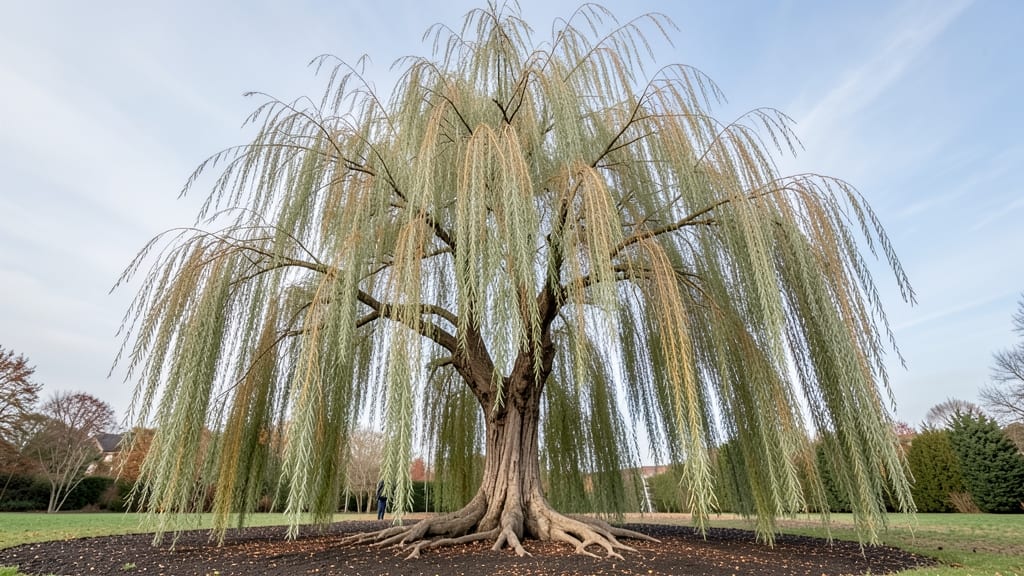
Willow tree height by variety: fastest-growing species and their mature sizes
If you're dreaming of a dramatic backyard centerpiece or a natural privacy screen, willow trees deliver—fast. These fastest-growing trees can shoot up 6 feet in a single year under ideal conditions. But not all willows reach the same sky-scraping heights.
Some varieties stay compact, while others become 50-foot giants. Let’s break down the top 10 willow varieties by their mature sizes and growth rates, so you can pick the perfect one for your space and climate.
Willow trees thrive in moist, well-drained soil and full sun exposure, but their height potential depends heavily on the variety and local climate.
In humid regions like the Pacific Northwest, willows grow taller and faster, while arid climates (e.g., desert Southwest) may stunt their growth unless given extra water. Always check your USDA hardiness zone—most willows prefer zones 4-8, but tropical varieties like weeping willow can struggle in freezing winters.
| Variety | Mature Height (ft) | Annual Growth Rate (ft) | Climate Adaptability | Best For |
|---|---|---|---|---|
| Weeping Willow (Salix babylonica) | 30–50 ft | 3–6 ft | Zones 5–9, humid climates | Ponds, privacy screens |
| White Willow (Salix alba) | 40–60 ft | 4–8 ft | Zones 4–8, wet soils | Windbreaks, erosion control |
| Crack Willow (Salix fragilis) | 30–50 ft | 2–5 ft | Zones 5–9, temperate | Urban landscapes, wildlife |
| Pussy Willow (Salix discolor) | 10–20 ft | 1–3 ft | Zones 3–7, cold-hardy | Small gardens, cut flowers |
| Purple Osier (Salix purpurea) | 12–20 ft | 2–4 ft | Zones 4–9, wet/dry soils | Borders, wildlife habitats |
| Dwarf Willow (Salix repens) | 3–5 ft | 0.5–1 ft | Zones 4–8, containers | Rock gardens, bonsai |
| Golden Willow (Salix alba 'Tristis') | 20–30 ft | 2–4 ft | Zones 5–9, full sun | Accents, golden foliage |
| Coastal Plain Willow (Salix caroliniana) | 15–25 ft | 1–3 ft | Zones 5–9, wet soils | Swamps, rain gardens |
| Sandbar Willow (Salix interior) | 10–20 ft | 1–2 ft | Zones 4–9, drought-tolerant | Arid landscapes, erosion control |
| Alaska Willow (Salix alaxensis) | 6–10 ft | 0.5–1.5 ft | Zones 1–6, cold climates | Alpine gardens, cold-hardy |
For privacy screens or dramatic
How climate zones affect willow tree growth: cold-hardy vs. tropical varieties
Your USDA hardiness zone determines which willow varieties will thrive—and how tall they’ll grow. Cold-hardy willows like the black willow (Salix nigra) can reach 40-50 feet in zones 4-9, while tropical varieties like weeping willow (Salix babylonica) max out at 30-40 feet in zones 7-11.
Elevation also plays a role: mountain willows stay shorter due to cooler temps, while coastal varieties stretch taller with abundant moisture.
Frost tolerance is critical. Cold-hardy willows survive -20°F to 0°F winters, while tropical willows die back if temps drop below 20°F. Drought resistance varies too—coastal plain willows thrive in humid climates but struggle in arid zones without supplemental water.
Let’s break down how to match your zone to the right willow for optimal height control.
🌳 Comparison Table: Willow Heights by Climate Zone
If you’re in zone 5 or colder, opt for mountain willows or pussy willows—they stay compact (15-25 feet) and handle subzero temps. For zones 8-11, coastal plain willows dominate with 50-foot heights and thrive in humid, low-elevation areas.
Just beware: tropical varieties need constant moisture or they’ll shed leaves and stunt growth.
Elevation matters too. High-altitude willows (like those in Rocky Mountain zones) grow 20% slower due to cooler temps, while lowland willows near coasts or rivers can shoot up 3-5 feet per year with ample water.
My weeping willow in zone 8 hit 35 feet in 10 years—double the height of my mountain willow planted just 1,000 feet higher up the same mountain.
For drought-prone zones, choose black willow or crack willow—they’re the most drought-tolerant and still hit 40+ feet. But if your area gets frequent freezes, avoid tropical varieties like babylon willow unless you’re in zone 7+. Always check your last frost date too: planting