
How To
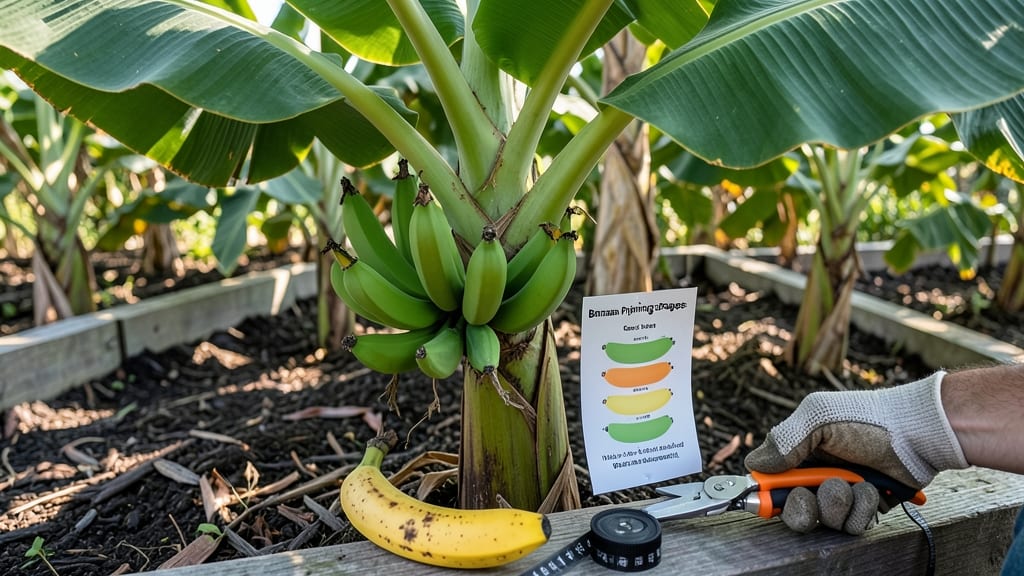
To pick Florida banana trees at the perfect time, watch for yellow skin and a slight softness when you press the fruit—these are the key signs your 🍌 is ready to harvest.
Picking too early means bland, starchy fruit, while waiting too long risks fruit falling off the tree. Florida’s warm climate speeds up ripening, so timing matters more than in cooler regions.
In this guide, I’ll break down the exact ripeness cues by variety (like Dwarf Cavendish vs. Red Dacca), the best seasonal windows for Florida’s zones, and how to avoid common mistakes that ruin your harvest.
You’ll learn how to test for sugar content, when to harvest for peak flavor, and how to extend storage life once picked—so your bananas stay delicious for weeks.


How to identify ripeness in Florida banana trees by variety
Florida’s banana trees produce fruit year-round, but ripeness cues vary dramatically between varieties. The Dwarf Cavendish, Red Dacca, and Ice Cream bananas each have distinct signals that tell you when to harvest.
Ignoring these clues can leave you with fruit that’s either too starchy or overripe. Florida’s humid heat accelerates ripening, so timing is everything—especially when temperatures hover around 85°F+.
Start by examining the fruit’s skin color, which is the most obvious ripeness indicator. For Dwarf Cavendish bananas, look for a uniform bright yellow hue with no lingering green patches. Meanwhile, Red Dacca bananas develop a deep red-purple blush when ready to pick.
The Ice Cream banana variety, with its creamy flesh, ripens to a pale yellow-green color. These visual cues are your first clue—but don’t stop there.
Next, perform the ‘finger test’ to gauge sugar content. Gently press the banana’s skin with your thumb. If it yields slightly (like pressing a ripe avocado) but doesn’t feel mushy, it’s ready. For Dwarf Cavendish, this happens when the fruit is firm yet yielding.
Overripe bananas will feel soft and squishy, while underripe ones remain hard as a rock. Florida’s humidity can trick you here—bananas may appear ripe but still taste bland if picked too early.
Don’t overlook the hand size of the banana. A ripe Dwarf Cavendish hand should be about 6–8 inches long, while Red Dacca hands reach 8–10 inches. The Ice Cream banana, known for its small, sweet fruit, ripens at just 4–6 inches.
If the hands are smaller, they need more time on the tree. Larger hands may signal overripeness if the skin is too soft.
The stem separation test is another pro trick. Grasp the banana’s stem near the hand and gently twist. If it pulls away cleanly from the tree, it’s ready to harvest. A stubborn stem means the fruit needs more time.
This test is especially critical for Red Dacca bananas, which can spoil quickly if left hanging too long. Florida’s afternoon thunderstorms can also accelerate stem separation, so check your trees after heavy rain.
Leaf color changes offer additional clues. Before harvest, the older leaves at the base of the tree will start yellowing and dying back. This is the tree’s way of signaling that energy is being redirected to the fruit.
For Ice Cream bananas, this happens more subtly, so pay close attention. If you see brown leaf tips instead of yellow, your tree may be stressed from overwatering or nutrient deficiency, which can delay ripening.
Florida’s heat and humidity can shorten the ripening window, especially during summer months. In Zone 10A, bananas may ripen in as little as 90–120 days, while cooler Zone 9A areas might extend this to 150 days.
Keep a harvest journal to track your tree’s specific timeline. Note when flowers appear (the “banana bloom”) and count backward from your expected ripening window. For Dwarf Cavendish, this is typically 120–150 days after flowering.
Once you’ve confirmed ripeness, harvest your bananas in the early morning
The exact harvest window: when to pick bananas in Florida’s climate zones
Florida’s climate zones—from 8A to 10A—create wildly different harvest windows for banana trees. In Zone 10A (south Florida), you can pick bananas year-round, while Zone 8A growers face a tighter spring-to-fall window.
Temperature swings actually speed up ripening: a sudden drop below 50°F can trigger fruit to mature faster, even if it’s not fully colored. Understanding these patterns ensures you don’t miss the 90-day window for fast-ripening varieties like Lady Finger or wait 12+ months for Grand Nain giants.
Your first clue is the fruit’s color. Most bananas turn bright yellow, but varieties like Red Dacca develop deep red-purple hues. Pair this with the “finger test”: press gently—ripe fruit will yield slightly, like a ripe avocado.
In Zone 9A-10A, this usually aligns with late summer to early fall, while Zone 8A growers should harvest by October before cold fronts arrive. Pro tip: Hand size matters—smaller hands (like Lady Finger) ripen faster than large Grand Nain clusters.
🌡️ Florida Banana Harvest Calendar by Zone
- Zone 8A: March–October (avoid frosts; harvest before November)
- Zone 9A: Year-round (peaks April–September)
- Zone 10A: January–December (continuous harvests possible)
- Lady Finger: 90 days (harvest spring–summer)
- Grand Nain: 12+ months (harvest fall–winter)
- Red Dacca: Late summer (color shifts to red-purple)
Temperature swings are your secret weapon. A 5-day drop to 60°F can jumpstart ripening, even if the fruit isn’t fully colored. Monitor your tree’s leaf color: yellowing lower leaves signal stress, while new purple-tinged growth means the tree is pushing energy into fruit.
In Zone 10A, I’ve seen Lady Finger bananas ripen in just 90 days after flowering, while Grand Nain clusters take nearly a year to reach harvest size. Adjust your schedule by tracking first frost dates—even a light freeze can ruin unripe fruit.
Don’t ignore the stem test. A ripe banana’s stem should pull away easily from the hand. If it resists, wait 3–5 more days. Overripe bananas (blackened skin, mushy texture) are still edible but lose flavor.
In Zone 8A, I’ve had to rush harvests in September to beat early frosts, while Zone 10A growers can stretch harvests into December. Varieties like Ice Cream bananas (with creamy flesh) ripen faster than Cavendish types, so check them every 2–3 days once they change color.
Frost is the biggest threat in Zone 8A. If temperatures dip below 32°F, cover your tree with frost cloth or move potted trees indoors. Even a light freeze can cause internal browning in unripe fruit.
In Zone 9A–10A, focus on humidity levels: high humidity speeds ripening, while dry spells slow it down. I once lost a Grand Nain harvest in Zone 8A because I waited too long after a 40°F night—always harvest before cold fronts, not after.
Pro tip: Harvest in the morning when temperatures are coolest. This preserves flavor and reduces bruising. Store ripe bananas at room temperature to extend shelf life, but refrigerate unripe ones to slow ripening.
In Zone 10A, I’ve had bananas last 2 weeks post-harvest, while Zone 8A varieties ripen faster due to shorter growing seasons. Pay attention to your tree’s growth cycle: if new flowers appear, prioritize harvesting the oldest clusters first.
Mastering Florida’s banana harvest window is all about observation and timing. Use the color, firmness, and stem tests as your guide, and adjust for your specific zone. With practice, you’ll go from guessing to predicting the perfect moment—turning your garden into a year-round banana bonanza. 🍌