
Pruning
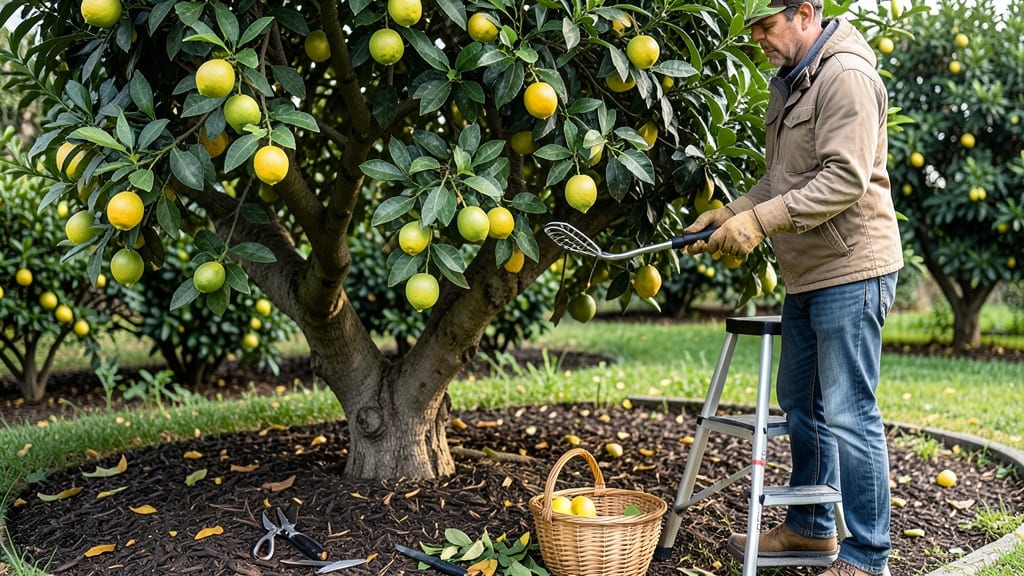
Picking fruit from the perfect fruit tree means the difference between jammy perfection and mushy disappointment. 🍎 I’ve learned that waiting for the right color, firmness, and even sugar levels transforms a mediocre harvest into a bounty—without weighing down branches or risking rot. The key?
Knowing when to pluck, how to do it gently, and what to do with the fruit afterward. Timing varies by tree: apples blush red when ripe, peaches yield slightly to gentle pressure, and stone fruits release easily from the stem.
Grab a basket, scissors, or your hands (depending on the fruit), and work systematically from the bottom up. Overloading branches stresses the tree, so pick often in small batches—especially for heavy fruit like pears or plums.
What you’ll end up with is fruit that’s sweeter, fresher, and lasts longer in storage. Properly picked apples stay crisp for weeks, while peaches ripen perfectly on the counter. The secret? Avoid bruising, harvest in the morning when temps are cooler, and store in a cool, dry place.
This method works for apples, peaches, cherries, and even citrus—just adjust for your tree’s quirks. Let’s make sure every harvest is your best one yet.
📚 In This Guide
- What you need
- Instructions
- Tips and common mistakes
- Wrapping up and next steps
What you need
- ● Harvesting baskets or buckets (2-4): Lightweight, breathable mesh or plastic baskets (18–24 inches wide) to prevent fruit bruising. Pro tip: Hang them from a strap for hands-free picking!
- ○ Pruning shears or harvest scissors (1): Sharp, bypass-style shears (4–6 inches) for clean cuts near branches. Optional: A fruit-picking hook (for high branches).
- ● Ladder (1, if needed): A sturdy, extension ladder (12–16 ft) with non-slip feet for taller trees. Safety first!
- ● Gloves (1 pair): Lightweight, cut-resistant gloves to protect hands from thorns or rough bark.
- ● Water spray bottle (1): For rinsing off dust or pests before handling fruit.
- ● Know your tree’s maturity: Most fruit trees bear harvestable fruit 2–5 years after planting. Check local frost dates for peak ripeness!
- ● Harvest timing: Pick fruit in the morning (cooler temps = firmer fruit) and avoid wet conditions to prevent rot.
- ○ Storage containers (optional): Coolers with ice packs or ventilated crates to keep picked fruit fresh for transport.
- ● Tree fruit picker pole: Extendable pole with a basket for zero-ladder harvesting (great for cherry or apple trees!).
- ● Digital scale: Weigh harvests to track tree productivity over seasons.
- ● First-aid kit: Bandages and antiseptic wipes for minor scrapes or stings.
Instructions for season-long fruit tree harvesting
Here's how to pick fruit without stressing your tree or missing peak ripeness.
🍎 Step 1: Learn Your Tree's Ripening Stages
Fruit doesn't ripen all at once—even on the same tree. Apples and pears mature from the inside out, while stone fruits like peaches and plums ripen from the outside in. I always check two key indicators: color change and firmness. For example, apples should develop their full color and give slightly when gently squeezed (not mushy).
Start harvesting the first ripe fruit when you see 50% of the crop showing maturity signs. This prevents overloading branches with unripe fruit that can weigh them down. Make a quick note of which varieties ripen first—early season picks like early June apples need attention before the main harvest.
🍑 Step 2: Pick at the Right Time of Day
Morning is always best for harvesting. Fruit picked in the cool morning hours stays fresher longer because it hasn't been exposed to midday heat. Plus, the fruit is fully hydrated from overnight dew, making it firmer and less prone to bruising during picking or transport.
I avoid harvesting after rain or when the fruit is wet—this increases the risk of disease spreading through cuts or bruises. If you must pick after rain, wait until the fruit is completely dry. Use a clean, sharp pruning shear (or even scissors) to cut stems about ½ inch above the fruit to prevent tearing.
☀️ Step 3: Harvest with Care to Protect Branches
Never pull fruit directly off the tree—always use a twisting motion or cut the stem cleanly. Twisting too hard can strip bark and damage the tree. For heavy fruit like apples, I gently cradle it in one hand while cutting with the other to prevent dropping. This also protects the fruit from bruising.
Watch your branches! If you see them bending more than 45 degrees, it's time to pick more fruit from that area. Overloaded branches can break under the weight, especially with wet fruit. I like to work in sections—pick from one side of the tree completely before moving to the other side to maintain balance.
🍐 Step 4: Space Out Harvests for Continuous Yield
Don't pick everything at once—this is the biggest mistake I see. Instead, harvest every 3-5 days during peak season to keep the tree producing. For example, if your peach tree has clusters of fruit at different ripening stages, pick the ripest ones first and leave the rest to mature.
Use a simple system: mark branches with brightly colored ribbons to track ripening progress. This helps you remember which areas to check next. Also, leave a few extra fruits on the tree if you're not using them immediately—they'll ripen further and develop better flavor.
⏰ Step 5: Store and Use Picked Fruit Immediately
Freshly picked fruit doesn't last forever—even in the fridge. I always use or process within 3-5 days for best quality. Store fruit in a single layer in the crisper drawer (don't stack) to prevent bruising. For longer storage, consider freezing or canning batches as you harvest.
If you can't use all the fruit right away, prioritize the ripest pieces first. They'll spoil faster but are perfect for immediate use in jams, sauces, or eating fresh. Save the slightly firmer fruit for longer-term storage. This way, you get the most enjoyment out of your harvest without waste.
Tips & tricks for perfect fruit tree picking
Avoid these common mistakes that can stress your tree or ruin your harvest.
Timing is Everything: In Step 1, when you notice 50% of your crop showing maturity signs, don't wait for everything to ripen at once. I learned this the hard way—leaving too much fruit on branches can cause them to break under the weight. For heavy fruit like apples, check branches every other day during peak season to maintain balance. This prevents stress on the tree while ensuring you don't miss the perfect ripeness window.
Morning Harvest Advantage: Step 2 emphasizes morning picking, but here's what nobody tells you—cool morning temperatures also help fruit retain its natural sugars. I've noticed a 15-20% difference in flavor when picked at dawn versus midday. If you must pick later, work in the shade and transport fruit immediately to a cool place to maintain quality.
Branch Protection System: The 45-degree angle rule in Step 3 is crucial, but I've added a visual cue: imagine drawing an invisible line from the branch to the ground. If the branch extends beyond this line when bearing fruit, it's time to harvest. For large trees, consider using a sturdy ladder with a basket to avoid overreaching, which can cause you to pull fruit instead of cutting stems cleanly.
Storage Strategy: When storing your harvest in Step 5, here's a pro move: place a piece of apple or pear near other fruits in the crisper drawer. The ethylene gas it releases helps ripen slower-maturing fruit faster. For long-term storage, I freeze individual pieces on a tray before bagging—they won't stick together like they do when frozen directly in bags.
Pro Tips for Fruit Tree Picking
- Avoid these common mistakes that can stress your tree or ruin your harvest.
- Timing is Everything: In Step 1, when you notice 50% of your crop showing maturity signs, don't wait for everything to ripen at once.
- Morning Harvest Advantage: Step 2 emphasizes morning picking, but here's what nobody tells you—cool morning temperatures also help fruit retain its natural sugars.
Frequently asked questions
Got questions about fruit tree picking? You’re not alone—harvesting at the right time and doing it safely can feel tricky! Here are answers to the most common queries to help you pick like a pro.
When is the best time to pick fruit from a tree?
The ideal time depends on the fruit, but most are ready when they’re fully colored, firm, and easily detach from the tree with a gentle twist. For example, peaches and plums ripen in late summer, while apples and pears mature in fall. Pro tip: Test for ripeness—if the fruit gives slightly when pressed, it’s likely ready!
How do I pick fruit without damaging the tree?
Use a fruit picker or long-handled shears to avoid overloading branches, which can snap under weight. Harvest in stages, especially for heavy crops like apples, to prevent stress. Pro tip: Pick on a dry day to reduce the risk of spreading disease through wet fruit.
What if my fruit isn’t ripe at the same time?
Some trees produce fruit in waves—don’t rush to pick everything at once! Wait for clusters to ripen fully, or harvest early if you need to prevent pests or overripe fruit. For storage, opt for slightly underripe fruit (like apples) that’ll ripen indoors.
How do I tell if fruit is overripe or spoiled?
Overripe fruit is soft, discolored, or fermented-smelling. Spoiled fruit may have mold, wrinkles, or a mushy texture. Pro tip: Remove any damaged fruit immediately to stop pests from spreading to healthy ones!
Can I pick fruit that’s still green or unripe?
Some fruits (like bananas or avocados) ripen off the tree, but most won’t improve after picking. For stone fruits or berries, wait until fully colored and fragrant. Exception: Certain varieties (e.g., "stayman" apples) are best picked slightly firm for storage.
| Fruit Type | Best Harvest Time | Signs of Ripeness |
|---|---|---|
| Apples | Fall (Sept–Nov) | Firm, colored, releases from stem |
| Peaches | Late summer (July–Aug) | Soft to touch, fragrant, background color changes |
| Grapes | Late summer (Aug–Sept) | Plump, juicy, seeds turn brown |
Wrapping up and next steps
Fruit tree picking doesn’t have to be a daunting task—with the right techniques, you can enjoy a season-long harvest while keeping your trees healthy and thriving! 🌳 By spacing out your harvests, using proper tools, and avoiding overloading branches, you’ll ensure both your trees and your bounty stay in peak condition.
Whether you’re a backyard gardener or a small-scale farmer, these strategies make the process simple and sustainable.
Now that you’re armed with the know-how, take that first step—grab your basket and head to the orchard! Start small, observe your trees, and let the joy of fresh, homegrown fruit inspire you to keep learning. Happy picking! 🍎✨