
Pests and Diseases
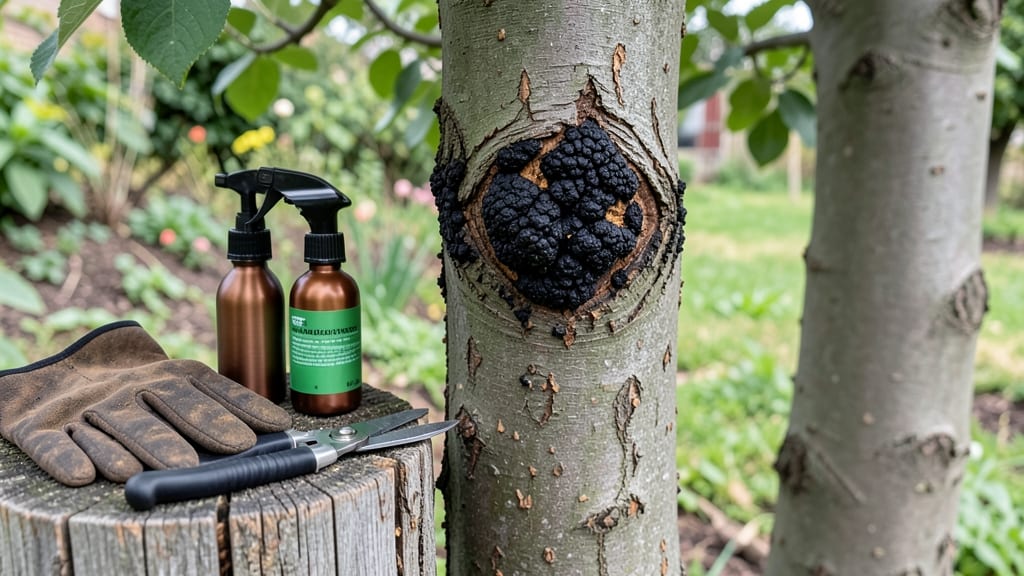
That oozing, crusty mess on your apple tree trunk isn’t just ugly—it’s a fungus spreading fast. 🌳 I’ve seen healthy orchards ruined in weeks by this silent killer, but copper spray can turn things around before it’s too late.
The key is acting early when you spot those telltale cankers or dark, weeping spots.
Most infections start from wounds, rain splashing, or poor air flow around the trunk. My neighbor’s tree nearly died from ignoring the first signs—now he sprays copper every spring and hasn’t had a repeat.
The good news? You don’t need fancy tools: just pruners, a spray bottle, and a little elbow grease.
Within 2-3 weeks of treatment, new growth will push out healthy bark, and the oozing stops. The tree starts looking like itself again, and the fruit stays safe from contamination. We’ll cover exactly how to mix the spray, when to apply it, and what to watch for next.
This works for backyard trees, orchards, and even potted apple varieties. The secret is consistency—don’t skip the follow-up sprays. Let’s get your tree back to thriving before next season’s harvest.
Root Causes Of Trunk Fungus
Fungal infections on apple tree trunks don’t appear overnight—they’re the result of environmental stress, poor tree health, or a perfect storm of conditions that pathogens exploit. Understanding these triggers is key to prevention and treatment. Let’s break down the primary culprits behind fungal outbreaks on your apple tree trunk.
Fungi thrive in damp conditions, and apple tree trunks are especially vulnerable when moisture lingers. Here’s why:
- Prolonged wetness: Rain, overhead irrigation, or even morning dew can keep the bark damp for hours. Fungal spores (like those from Valsa or Nectria) germinate and penetrate the bark when it stays wet for more than 12–24 hours.
- Compacted or waterlogged soil: Poor drainage around the base of the tree raises the trunk’s moisture level, creating an ideal breeding ground. Roots struggle to absorb water, weakening the tree’s defenses.
- Fungal spores in the air: Many trunk fungi are airborne and land on the bark. If the surface stays moist, they latch on and begin colonizing.
Actionable fix: Improve airflow around the trunk by pruning nearby branches and ensuring the soil drains well. Use mulch properly (keep it 3–4 inches away from the trunk) to prevent moisture buildup.
Apple trees under stress—whether from heat, cold, or sudden weather shifts—are more susceptible to fungal infections. Here’s how temperature plays a role:
- Freeze-thaw cycles: Winter freezes can crack the bark, creating entry points for fungi. When spring arrives, warm temperatures accelerate fungal growth in these wounds.
- Heat stress: Extended heatwaves weaken the tree’s bark, making it easier for pathogens to invade. High temperatures also reduce the tree’s natural antifungal compounds.
- Transplant shock: Newly planted trees or those moved during active growth are stressed and more prone to infections.
Actionable fix: Protect young trees with tree wraps in winter to shield against temperature swings. Water deeply during dry spells to reduce heat stress, and avoid transplanting during extreme weather.
Fungi don’t just appear—they invade. Any break in the bark’s protective layer gives them a foothold. Common sources of damage include:
- Mechanical injury: Scrapes from tools, animal rubs, or even vigorous pruning can expose the cambium layer (the tree’s "skin").
- Sun scald: Sudden temperature drops in winter can cause bark to split, especially on the south or west sides of the trunk.
- Insect or rodent damage: Sapsuckers, beetles, or gnawing animals create wounds that fungi quickly colonize.
- Improper pruning: Cutting too close to the trunk or leaving jagged edges slows healing and invites infection.
Actionable fix: Seal fresh wounds with pruning paint or wound dressing (like Tanglefoot Tree Wound Pruning Sealer) to deter fungal entry. Sterilize tools between cuts to prevent spreading pathogens.
A weak tree is an open invitation for fungi. When apple trees lack essential nutrients or suffer from systemic issues, their bark becomes an easy target. Key factors include:
- Nitrogen deficiency: Yellowing leaves (chlorosis) signal nitrogen starvation, weakening the tree’s immune response. Fungi like Armillaria (honey fungus) exploit this vulnerability.
- Boron or calcium shortages: These minerals strengthen cell walls. Without them, bark becomes soft and prone to cracking.
- Over-fertilization: Too much phosphorus or potassium can disrupt the tree’s balance, making it more susceptible to stress-related diseases.
- Root rot or soil-borne pathogens: Fungal infections in the roots (e.g., Phytophthora) can spread upward, compromising trunk integrity.
Actionable fix: Conduct a soil test to identify deficiencies and amend the soil with organic matter (compost or well-rotted manure). Avoid heavy-handed fertilization—stick to a balanced NPK ratio (e.g., 10-10-10) and micronutrient supplements like borax or calcium nitrate.
Shady or densely planted orchards create a fungal-friendly microclimate. Here’s how:
- Reduced airflow: Crowded trees trap humidity, delaying bark drying and promoting spore germination.
- Weakened photosynthesis: Limited sunlight reduces the tree’s energy to produce antifungal compounds, like phytoncides.
- Debris buildup: Fallen leaves or wood chips near the trunk harbor fungal spores and pests.
Actionable fix: Thin out nearby trees to allow 6–10 feet of spacing for airflow. Remove leaf litter and mulch no deeper than 2–3 inches to prevent moisture traps.
Fixing Fungal Issues on Apple Tree Trunks
Fungal infections on apple tree trunks can feel overwhelming, but with the right approach, you can restore your tree’s health and prevent future outbreaks. Below are targeted solutions based on the most common causes—from environmental factors to improper care—along with prevention tips to keep your tree thriving.
Fungi like Valsa or Nectria thrive in damp, shaded, or crowded conditions. If your tree’s trunk shows dark, sunken lesions or oozing sap, it’s likely suffering from excess moisture or stagnant air.
How to Fix It:
- 🌡️ Improve Air Circulation
- Thin out nearby branches or shrubs to allow sunlight and airflow to reach the trunk.
- Avoid overwatering—only water at the base (not the trunk) and early in the day so moisture evaporates quickly.
- 🧼 Clean and Disinfect
- Remove dead or infected wood with sterilized pruners (wipe with rubbing alcohol between cuts).
- Scrape off loose bark or fungal growth with a knife or wire brush, then apply a copper fungicide (like Bordeaux mixture) to the exposed area.
- 🌿 Mulch Correctly
- Use organic mulch (wood chips, straw) but keep it 3–4 inches away from the trunk to prevent moisture buildup.
- Avoid thick layers that trap dampness against the bark.
💡 Prevention Tips:
- Space trees properly (12–15 feet apart for dwarf varieties, 20+ feet for standard apple trees).
- Prune in late winter/early spring to reduce dense foliage that blocks airflow.
- Water deeply but infrequently—drip irrigation is ideal to avoid wetting the trunk.
Cuts, scratches, or rough bark from tools create entry points for fungi. If you see discolored cracks or fungal growth around pruning wounds, the issue likely stems from poor healing practices.
How to Fix It:
- 🔪 Seal Wounds Properly
- Use pruning paint or wound dressing (with copper or sulfur) on clean cuts (made at a 45° angle, ¼ inch above a bud).
- For larger wounds, smooth rough edges with a knife and apply a fungicidal sealant.
- 🛠️ Use the Right Tools
- Always sterilize pruners (bleach or alcohol) between cuts to avoid spreading spores.
- Avoid tearing bark—make precise cuts instead.
- 🌱 Promote Natural Healing
- Let the tree seal small wounds naturally over time (don’t over-treat).
- Avoid pruning during wet conditions (fungi spread faster when tools are damp).
💡 Prevention Tips:
- Prune during dry weather (late winter/early spring).
- Keep tools sharp to make clean cuts that heal faster.
- Inspect trees regularly—catch small wounds before fungi take hold.
Fungal infections often exploit stressed trees—those with nutrient deficiencies, drought, or root damage. Yellowing leaves, stunted growth, or excessive sap may signal an underlying issue.
How to Fix It:
- 💪 Boost Tree Health
- Fertilize in early spring with a balanced, slow-release fertilizer (10-10-10 or organic options like compost).
- Test soil pH (ideal: 6.0–7.0 for apple trees) and amend with lime (to raise pH) or sulfur (to lower it) if needed.
- 🌧️ Manage Watering
- Deep water 1–2 times per week (1–2 inches per session) rather than shallow, frequent watering.
- Mulch properly (3–4 inches deep, not touching the trunk) to retain moisture and regulate temperature.
- 🌿 Apply Fungicide Preventively
- Spray copper fungicide (like copper sulfate or copper hydroxide) before symptoms appear (early spring and after rain).
- For severe cases, use a systemic fungicide (e.g., myclobutanil) as directed.
💡 Prevention Tips:
- Avoid over-fertilizing (can burn roots—follow package instructions).
- Monitor for pests (aphids, borers) that weaken trees—treat early with neem oil or insecticidal soap.
- Plant stress-resistant varieties (e.g., ‘Liberty’ or ‘Enterprise’ apple trees).
If the fungus has spread extensively, the tree is oozing heavily, or you see large cankers, it may need professional intervention.
A certified arborist can: - Assess structural damage (risk of trunk splitting). - Recommend targeted treatments (e.g., injected fungicides). - Determine if removal is necessary (for safety or disease containment).
Fungal control is an ongoing process—don’t stop after one treatment. Reapply fungicides every 2–4 weeks during wet seasons, and inspect your tree monthly for new growth. With patience and the right care, your apple tree can bounce back stronger than ever! 🍏✨
Frequently asked questions
What does fungus on an apple tree trunk look like?
Fungal infections often appear as dark, sunken lesions or crusty cankers on the bark. You might also see oozing sap, discolored areas, or fungal growths that look like black mold. Early signs include small cracks or spots that expand over time if untreated.
Can I save my apple tree if the fungus is already spreading?
Yes, but act fast! Prune infected areas with sterilized tools, apply copper fungicide, and improve airflow around the trunk. For severe cases, consult an arborist—they can assess structural damage and recommend stronger treatments like systemic fungicides.
How often should I apply copper spray for prevention?
Apply copper fungicide 2-3 times per season: once in early spring, after rain, and again in late summer. This creates a protective barrier against spores. Always follow label instructions for concentration and safety.
Will removing infected bark help stop the spread?
Scrape off loose bark and fungal growth with a wire brush, then sterilize the area with rubbing alcohol. Apply a fungicidal sealant to prevent reinfection. Just avoid over-pruning—remove only what’s clearly infected to avoid damaging healthy tissue.
Can I use household items like vinegar instead of fungicide?
While vinegar can help in small doses (1:1 ratio with water), it’s not as effective as dedicated fungicides. Strong vinegar may burn the bark, and it won’t provide the same copper-based protection. For serious infections, stick to proven treatments like copper sulfate or Bordeaux mixture.