Lawn
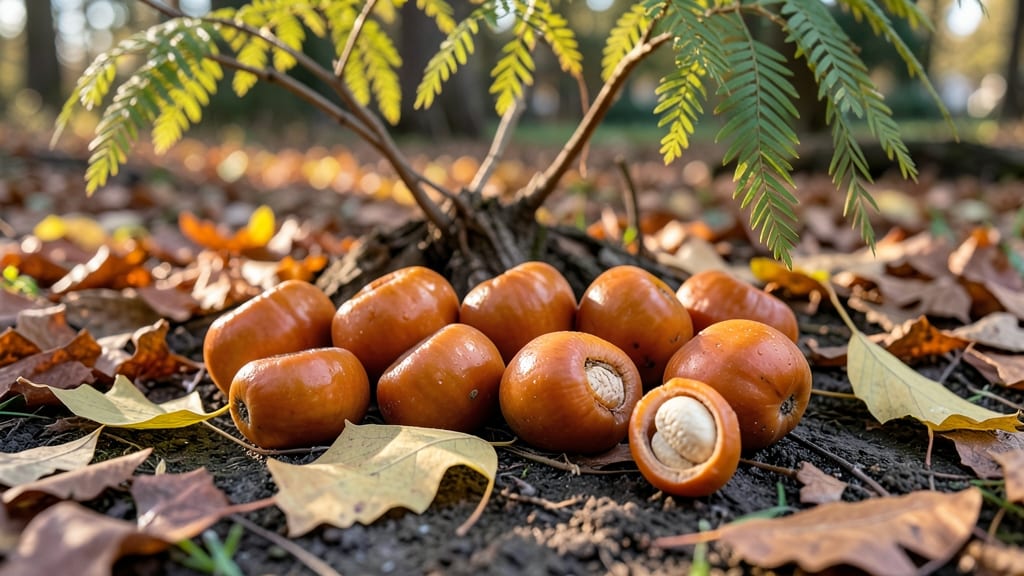
Those foul-smelling ginkgo seed pods can grow into majestic trees—if you crack the cold-stratification code. 🌱 I learned the hard way that skipping this step means waiting years (or never) for sprouts, but with the right timing and technique, you’ll see tiny green roots in just 6-8 weeks.
The key is mimicking winter’s chill, not rushing germination.
Harvest pods when they turn yellow-brown in late fall, then store them in a damp paper towel inside a sealed bag in your fridge. This mimics the natural winter dormancy period that breaks their dormancy.
Most gardeners overlook this step, but it’s what turns stubborn seeds into eager sprouts—no fancy equipment needed, just patience and a cool spot.
Once stratified, plant the seeds in a mix of 60% potting soil and 40% perlite to prevent rot. Keep the soil lightly moist and place them in bright, indirect light (no direct sun yet).
You’ll spot the first sprouts peeking through in 4-6 weeks, and by 8 weeks, you’ll have sturdy seedlings ready for transplanting.
Watch for mold on the soil surface—this means overwatering. If you see it, let the soil dry slightly before watering again. Ginkgo seeds are slow starters, but once they break through, they grow surprisingly fast.
With this method, you’ll go from seed to sapling in under a year—no nursery purchases needed.
📚 In This Guide
- What you need
- Instructions
- Tips and common mistakes
- Wrapping up and next steps
What you need
- ● Fresh ginkgo seed pods – 10–20 pods (harvested in fall, when they’re soft and yellowish-brown).
- ● Sharp kitchen knife or pruning shears – For carefully slicing open the pods to extract seeds.
- ● Paper towels or coir mats – 2–3 sheets (for moisture retention during stratification).
- ● Plastic zip-top bags – 2–4 medium-sized bags (to create a cold-stratification environment).
- ● Refrigerator or cold stratification setup – Must maintain 35–45°F (2–7°C) for 6–8 weeks.
- ● Well-draining seed-starting mix – 1 small tray (or 4–6 small pots, 3–4 inches deep).
- ● Spray bottle with water – For gentle hydration (avoid soaking!).
- ● Plant labels & marker – To track germination progress.
- ● Glove (gardening or latex) – Ginkgo seeds can stain and have a mild odor when fresh!
- ○ Heating mat (optional) – Speeds up germination after stratification (set to 70–75°F (21–24°C)).
- ● Humidity dome or plastic wrap – Helps maintain moisture post-stratification.
- ● Grow lights or sunny windowsill – For seedlings once sprouted (12–16 hours of light/day).
- ● Fertilizer (balanced, diluted) – Only after seedlings develop 2–3 true leaves.
Step-by-step instructions for germinating ginkgo tree seed pods
Cold-stratifying ginkgo seeds unlocks their natural dormancy—here's how to coax sprouts in just two months.
🌱 Step 1: Collect and Prepare the Seed Pods
Harvest mature ginkgo seed pods in late fall when they've turned golden-brown and opened slightly. I look for pods that have split naturally—they're ready. Remove any remaining fleshy outer coating by hand or with a knife, exposing the hard, brown seed inside. Don't wash them yet—surface moisture can cause rot.
Place the cleaned seeds in a single layer on a paper towel. This spacing prevents mold growth between seeds. If you've collected more than you need, store extras in a cool, dry place until you're ready to stratify. The key here is patience—ginkgo seeds won't sprout until they've experienced winter's cold.
💧 Step 2: Cold-Stratify Seeds for 6-8 Weeks
Mix the seeds with slightly damp sand or perlite in a sealed container. I use a plastic bag with small air holes or a ventilated seed tray. Keep the mixture at 35-45°F for 6-8 weeks—this mimics winter conditions. A refrigerator's crisper drawer works perfectly for this.
Check the mixture every 2 weeks. It should feel like a damp sponge—not soggy, not dry. If moisture has evaporated, spritz lightly with water. You'll know stratification is working when tiny roots begin to emerge from the seeds after about 4-6 weeks. This is your signal to move to the next step.
☀️ Step 3: Sow Stratified Seeds in Growing Medium
Fill small pots with a mix of 50% peat moss and 50% perlite—this combination drains well while retaining enough moisture. Plant each seed about 1 inch deep, spacing them 3 inches apart in the pot. Ginkgo seeds are large, so one seed per pot works best for easy monitoring.
Water gently until moisture seeps from the drainage holes. Place the pots in a warm, bright spot with indirect light—direct sun can scorch young seedlings. Keep the soil consistently moist but never soggy. You'll see the first signs of germination in 2-4 weeks, when the seed coat splits open.
🌿 Step 4: Provide Optimal Growing Conditions
Once sprouts appear, move them to a location with bright, filtered light. Ginkgo seedlings tolerate shade better than full sun at this stage. I keep mine under a grow light on a 12-hour daily cycle to encourage steady growth. Maintain soil moisture by watering when the top ½ inch feels dry.
Fertilize lightly with a balanced liquid fertilizer (10-10-10) diluted to half strength every 4-6 weeks. Avoid heavy feeding—young ginkgo seedlings are sensitive to excess nutrients. Watch for the first true leaves to develop, which typically appear after 6-8 weeks of active growth.
⏰ Step 5: Transplant Seedlings When Ready
After 6-12 months, when seedlings reach 6-12 inches tall, they're ready for their first transplant. Choose a permanent spot with full sun to partial shade and well-draining soil. Ginkgo trees have deep roots, so give them plenty of space—they'll grow slowly but steadily.
Dig a hole twice as wide as the root ball but only as deep as the container. Plant at the same depth as before, firming soil gently around the roots. Water deeply to settle the soil. Mulch with 2-3 inches of organic mulch to retain moisture and protect roots. With proper care, your ginkgo seedlings will mature into stunning, ancient-looking trees.
Tips & tricks for perfect ginkgo tree seed pod germination
Patience and precision are key when working with ginkgo seeds—here's how to avoid common pitfalls and maximize your success.
Timing is Everything: The 6-8 week cold stratification period is non-negotiable for ginkgo seeds. I've found that starting in early winter (December) gives you the perfect timing to move seeds into growing medium by late January or February. This aligns with natural seasonal cues that trigger germination. If you begin stratification too late, you might miss the optimal window for outdoor planting in spring.
Moisture Management: During the 6-8 week stratification, the sand-perlite mix should stay consistently damp like a wrung-out sponge. I use a spray bottle to check moisture—if water beads up on the surface, it's too wet. If it feels dry when squeezed, it's time to add a light mist. Overwatering causes mold, while too little moisture prevents root development. This is where most beginners go wrong!
Lighting Strategy: Once you move stratified seeds to pots, indirect light is crucial during the first 2-4 weeks of germination. I place my pots under a sheer curtain near a south-facing window to diffuse harsh sunlight. Direct sun can cause the delicate seed coats to overheat and crack prematurely. After germination, you can gradually introduce more light, but start conservatively—ginkgo seedlings are shade-tolerant at this stage.
Transplanting Readiness: The 6-12 month timeline for transplanting can feel long, but it's essential. I check for readiness by gently tugging on seedlings—if they resist with a good root ball, they're ready. Don't rush this step! Transplanting too early can shock delicate root systems. The 6-12 inch height guideline gives you a good visual benchmark, but root development is the true indicator of readiness.
Pro Tips for Ginkgo Tree Seed Pods
- Patience and precision are key when working with ginkgo seeds—here's how to avoid common pitfalls and maximize your s...
- Timing is Everything: The 6-8 week cold stratification period is non-negotiable for ginkgo seeds. I've found that sta...
- Moisture Management: During the 6-8 week stratification, the sand-perlite mix should stay consistently damp like a wr...
Frequently asked questions
Got questions about growing ginkgo tree seed pods?
You’re not alone! Here are answers to the most common queries—from timing to troubleshooting—to help you succeed with your cold-stratified sprouts.
How do I know if my ginkgo seed pods are viable?
Fresh ginkgo seed pods should feel plump and firm with a slight crunch when squeezed. Discard any that are shriveled, moldy, or leaking. A healthy seed inside will sink in water (like an apple seed), while hollow or empty ones will float. Pro tip: Store pods in a paper bag in the fridge for up to 3 months to preserve viability.
Why aren’t my seed pods sprouting after 6 weeks?
Ginkgo seeds need patience—some take 8–12 weeks to germinate! Ensure your pods are properly cold-stratified (40–50°F for 6–8 weeks) and kept moist but not soggy. If they’re still dormant, try warming them to room temp for a week before restarting stratification. No sprouts yet? Check for rot (smelly, mushy pods) and adjust moisture levels.
Can I grow ginkgo trees from seed pods without cold stratification?
Cold stratification mimics winter, breaking the seed’s dormancy—skipping it often results in no germination. However, you can try soaking pods in warm water for 24–48 hours before planting, though success rates drop. For best results, stick with the 6–8 week cold method (see our guide for DIY tips!).
How do I transplant ginkgo seedlings once they sprout?
Wait until seedlings have 2–3 true leaves and roots are 2–3 inches long. Gently remove them from the soil, trim roots to 6–8 inches, and plant in well-draining soil (ginkgos hate soggy roots!). Keep them shaded and moist for 2 weeks, then gradually introduce sunlight. Pro tip: Use a transplanting pot with drainage holes for easier handling!
Are ginkgo seed pods toxic to pets or kids?
While ginkgo tree leaves contain ginkgotoxin (toxic in large amounts), the seed pods themselves are non-toxic when fresh. However, the seeds inside (the nut-like kernels) can cause mild stomach upset if eaten in excess. Keep kids/pets away from chewed or rotting pods, which may harbor bacteria. Always supervise young children!
Wrapping up and next steps
Growing ginkgo tree seed pods into thriving saplings in just 6-8 weeks is a rewarding challenge that combines patience, science, and a touch of green-thumb magic! 🌱 Whether you’re a seasoned gardener or a curious beginner, cold stratification unlocks the secrets of these ancient seeds—proving that even the toughest plants can yield to the right care.
Now that you’re armed with materials, techniques, and troubleshooting tips, there’s no better time to roll up your sleeves and give it a try.
Ready to dive in? Start with a few seeds today—your future ginkgo grove (or at least a few sturdy seedlings!) could be just weeks away. Happy planting! 🌿✨