
Pruning
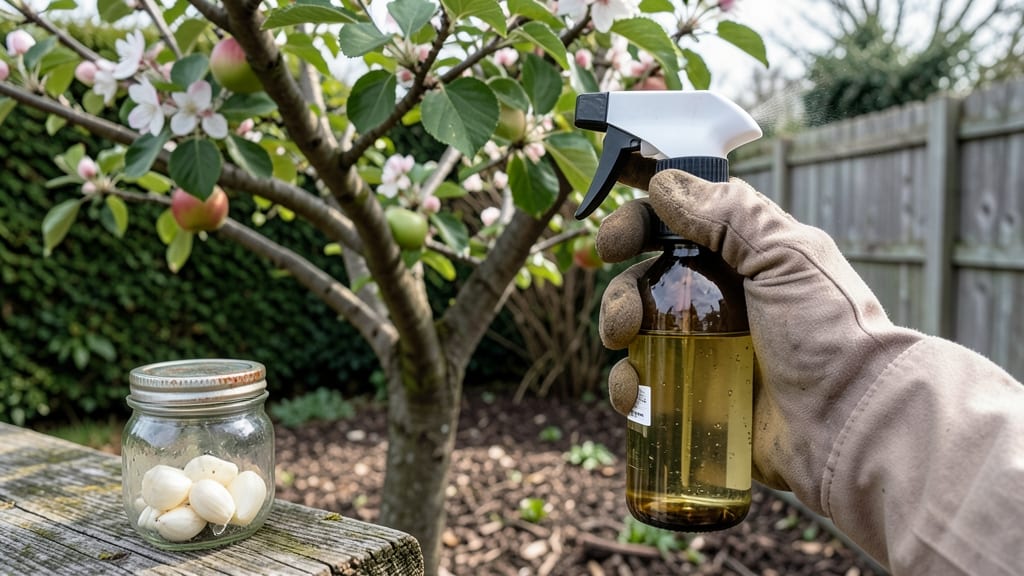
Apple scab and fungal blight can turn your harvest into a sad, speckled mess—unless you act fast. 🌿 This homemade apple tree spray stops fungal diseases in their tracks using simple, non-toxic ingredients you already have at home. No more expensive store-bought chemicals or worrying about residue on your fruit.
The key is mixing neem oil, baking soda, and a drop of dish soap in water—it’s a foolproof combo that smothers fungal spores while being completely safe for bees and beneficial insects.
You’ll see results within 2-3 applications, and the spray lasts through the entire growing season if reapplied every 10-14 days. Best of all, it costs pennies per gallon compared to commercial fungicides.
You’ll end up with shiny, disease-free leaves and apples that stay crisp and sweet all the way to harvest. The spray works on young trees and mature orchards alike, and you can even make extra to share with neighbors struggling with the same issues.
No more tossing out blighted fruit—just healthy trees and a bountiful harvest.
Works for any apple variety, from disease-prone Granny Smiths to heirloom favorites. Here’s how to mix it right the first time—no guesswork, just guaranteed protection.
📚 In This Guide
- What you need
- Instructions
- Tips and common mistakes
- Wrapping up and next steps
What you need
- ● 1 gallon of water (distilled or dechlorinated if possible—chlorine can harm plants)
- ● 1 tablespoon baking soda (food-grade, unscented)
- ● 1 tablespoon vegetable oil (light olive or canola oil works best)
- ● 1 teaspoon liquid soap (mild, unscented castile soap or dish soap)
- ○ 1 tablespoon neem oil (optional but highly effective for fungal prevention)
- ● A spray bottle or garden sprayer (1–2 gallons capacity, with a fine-mist nozzle)
- ● Mixing container (a clean bucket or large bowl)
- ● Wooden spoon or stirring stick (to avoid metal contamination)
- ● Gloves and long sleeves (for protection while handling oils and sprays)
- ○ Safety goggles (optional but recommended for eye safety)
- ● Choose a calm, overcast day to apply the spray (direct sunlight can stress the tree).
- ● Ensure your apple tree is free of debris (remove fallen leaves or fruit to improve spray absorption).
- ● Test a small area first if your tree is new to organic treatments (to check for sensitivity).
Step-by-Step instructions for making organic apple tree spray
Here's my go-to recipe for a potent, all-natural spray that stops fungal blight before it takes hold.
🌿 Step 1: Gather and Mix the Base Solution
Combine 1 gallon of water with 1 tablespoon baking soda and 1 tablespoon vegetable oil in a clean spray bottle or pump container. The oil helps the mixture cling to leaves while the baking soda creates an alkaline environment that fungal spores can't tolerate. Stir gently to avoid creating too many bubbles—you want a smooth, even solution.
Add 1 teaspoon of dish soap (unscented, castile works best) to help the mixture spread evenly across leaf surfaces. This is where many DIY sprays fail—skipping the surfactant means the spray runs off leaves instead of sticking. Test the mixture on a small area of the tree first to ensure it doesn't cause leaf burn.
💧 Step 2: Apply the Spray at Critical Times
Spray your apple trees early in the morning or late afternoon when temperatures are below 85°F to prevent stress on the leaves. Focus on the upper and lower leaf surfaces, stems, and any visible signs of fungal growth. You'll want to cover the foliage thoroughly but avoid oversaturating—wet leaves for too long create ideal conditions for blight to develop.
Apply the spray every 7-10 days during active growing season or after rain, which can wash away protective layers. The key is consistency—fungal spores don't give up easily, and they multiply quickly when conditions are right. I like to spray after pruning too, as fresh cuts are vulnerable entry points for infection.
☀️ Step 3: Enhance Protection with Optional Additives
For extra strength, add 1 tablespoon of potassium bicarbonate to the mix—this boosts the spray's antifungal properties significantly. You can also incorporate 1 cup of compost tea (strain well) for additional microbial support that helps crowd out harmful fungi. The compost tea adds beneficial microbes that compete with blight spores for space on your tree's surface.
If you notice black spots or gray mold developing, increase the frequency to every 5-7 days and add 1 crushed garlic clove to the mix for its natural antimicrobial properties. The garlic won't overpower the scent when mixed with the other ingredients, but it adds an extra layer of defense that's particularly effective against early-stage infections.
✂️ Step 4: Maintain and Monitor for Results
After each application, monitor your trees for new growth patterns—healthy leaves should remain firm and vibrant. You'll know the spray is working when you see no new fungal spots developing and existing ones gradually fading. Keep an eye out for yellowing leaves or leaf drop, which could indicate the spray needs adjustment or the tree is under additional stress.
Rotate spray directions every application to ensure even coverage. I like to alternate between spraying from above and below the canopy—this helps reach all the hidden spots where spores love to hide. Store any leftover spray in a cool, dark place and use within 3-5 days for maximum effectiveness.
Tips & tricks for perfect organic apple tree spray
This simple spray packs serious antifungal power—here's how to maximize its effectiveness without compromising your trees' health.
Mixing Technique: When combining the 1 gallon of water with baking soda and vegetable oil in Step 1, use a whisk instead of stirring vigorously to minimize bubbles. Too many bubbles create an uneven spray pattern that leaves some leaf surfaces vulnerable. I also recommend using a clean, food-grade spray bottle with a fine mist nozzle—this ensures even distribution of the active ingredients across both leaf surfaces.
Temperature Matters: The instructions specify applying spray when temperatures are below 85°F to prevent leaf stress, but I've found an even better window is between 60-75°F. This range allows the solution to dry properly without evaporating too quickly. Early morning applications also give leaves time to dry before afternoon heat, which reduces the risk of fungal growth from prolonged moisture.
Optional Additive Strategy: For the potassium bicarbonate additive in Step 3, dissolve it in a small amount of water first before adding to the main solution. This prevents clumping and ensures even distribution. If you're using compost tea, strain it through a fine mesh sieve or cheesecloth to remove any particulate matter that could clog your spray nozzle. I've noticed the compost tea works best when added fresh—it loses effectiveness after about 24 hours of preparation.
Storage Wisdom: After mixing, store any leftover spray in a cool, dark place for up to 3-5 days as mentioned, but I've found adding 1 teaspoon of lemon juice (optional) extends shelf life by about 2 days. The acidity helps preserve the solution's properties. Always shake well before each use, as ingredients may settle. For long-term storage, consider making smaller batches—freshness matters more than quantity when fighting fungal spores.
Pro Tips for Homemade Apple Tree Spray
- This simple spray packs serious antifungal power—here's how to maximize its effectiveness without compromising your trees' health.
- Mixing Technique: When combining the 1 gallon of water with baking soda and vegetable oil in Step 1, use a whisk instead of stirring vigorously to minimize bubbles.
- Temperature Matters: The instructions specify applying spray when temperatures are below 85°F to prevent leaf stress, but I've found an even better window is between 60-75°F.
Frequently asked questions
about homemade apple tree sprays—because even organic gardeners need a little clarity! Here are answers to the most common questions to keep your trees thriving without the guesswork.Can I use this spray on other fruit trees, like peaches or cherries?
While this recipe is tailored for apple trees, the same organic ingredients (neem oil, baking soda, or copper-based sprays) work wonders on most fruit trees—just adjust the concentration slightly. Peaches and cherries, for example, may need a softer touch with copper to avoid leaf burn. Always test a small branch first!
How often should I spray my apple trees for fungal blight?
Preventative sprays should happen every 7–14 days during the growing season (spring through early summer), especially after rain. If you spot signs of blight (dark spots, leaf curling), switch to weekly applications until the issue clears. Timing matters—spray in the early morning for best results!
What’s the best alternative if I don’t have neem oil?
No neem oil? No problem! Swap it for:
- Garlic or onion spray (blend 1 chopped bulb with 1 quart water, strain, and add a drop of dish soap)
- Milk spray (1 part milk to 9 parts water—great for powdery mildew!)
- Potassium bicarbonate (1 tbsp per gallon of water, plus a few drops of soap)
Will this spray work if my tree already has blight?
For existing blight, homemade sprays can help, but severe cases may need a stronger approach. Prune infected branches immediately (sterilize tools with rubbing alcohol!) and apply a copper fungicide (like copper sulfate) or a hydrogen peroxide spray (3% solution, 1:9 with water). Monitor closely—consistency is key!
Can I spray apple tree spray right before harvesting?
Wait at least 1–2 weeks before harvesting after your last spray to ensure residue settles. If you’re using food-grade ingredients (like baking soda or milk), the window shortens to 3–5 days. Always wash fruits thoroughly before eating—better safe than sorry!
Wrapping up and next steps
Creating your own homemade apple tree spray is a simple, cost-effective way to protect your orchard from fungal blights—without harsh chemicals! 🌿 With just a few natural ingredients like baking soda, neem oil, and dish soap, you can safeguard your trees while promoting long-term garden health.
The best part? This DIY solution is easy to make, eco-friendly, and ready in minutes.
Now that you’re armed with the knowledge, roll up your sleeves and give your apple trees the organic care they deserve! Start by spraying your trees once a week during rainy seasons or after noticing early signs of disease.
For extra peace of mind, schedule a follow-up spray in 7–10 days to reinforce protection. Happy gardening—your future harvest will thank you! 🍏✨